
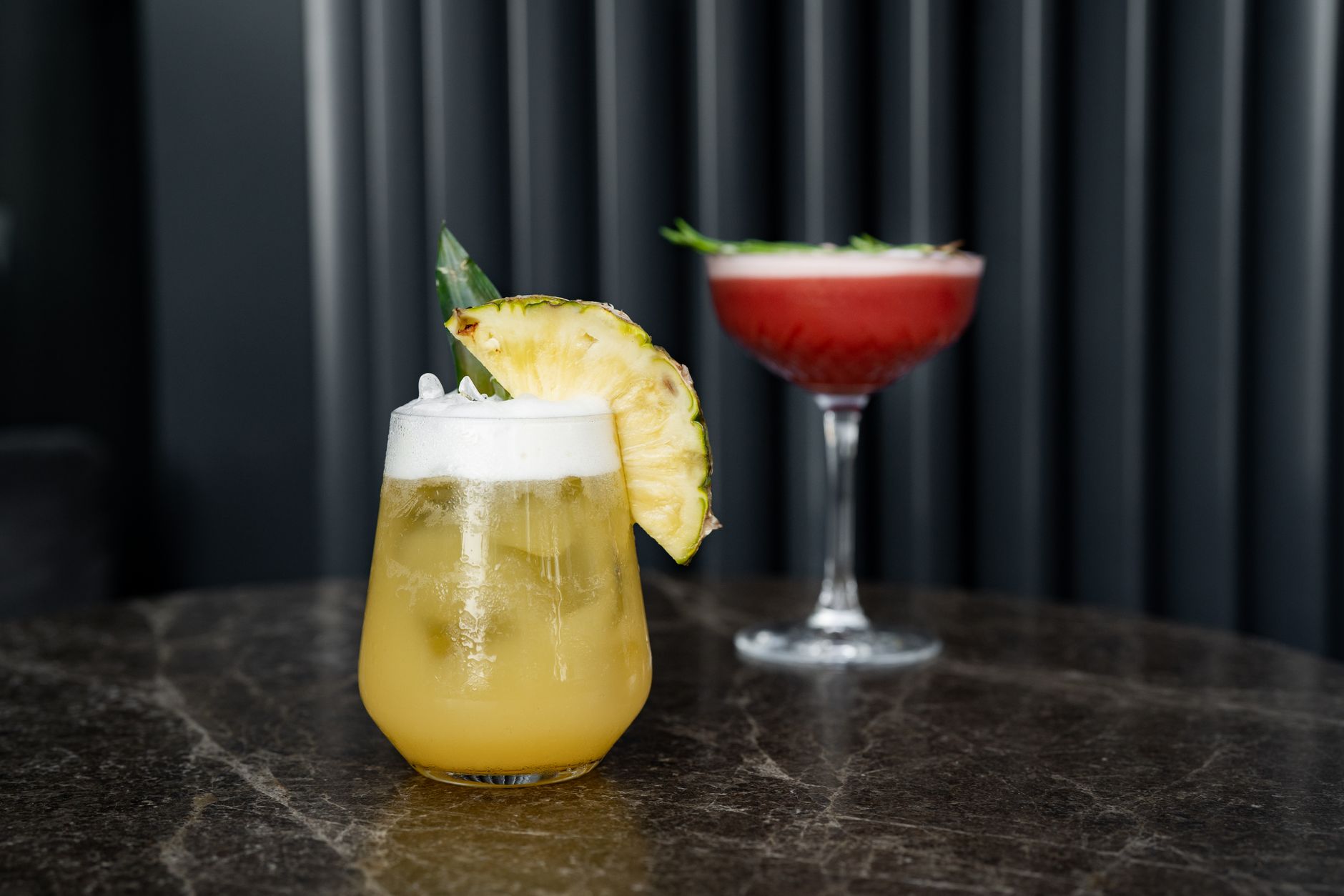
A cocktail bar is a specialized establishment that focuses on serving a variety of mixed drinks known as cocktails. These could range from classic drinks to innovative creations made by talented bartenders. Cocktail bars often emphasize artistic presentation, unique ingredients, and personalized service, creating an experience that transcends simply consuming alcohol.
In this article, we will explore the essentials of a cocktail bar, including its characteristics, commonly used ingredients, flavor profiles, and culinary applications. Whether you are a connoisseur or just beginning to explore the world of cocktails, understanding cocktail bars can enhance your appreciation for these venues.
What Is a Cocktail Bar?
A cocktail bar primarily serves mixed alcoholic beverages, using various spirits, liqueurs, mixers, garnishes, and other ingredients combined with specific techniques to create complex flavors. Unlike traditional bars that often focus heavily on beer or wine, cocktail bars prioritize the craftsmanship and creativity involved in cocktail preparation.
With an atmosphere designed for leisurely enjoyment, cocktail bars allow patrons to appreciate the artistry of drink making. They feature skilled bartenders, often referred to as mixologists, who experiment with flavors, presentations, and innovative jarring pairings.
Characteristics of Cocktail Bars
- Ambiance: Cocktail bars often boast a comfortable and stylish atmosphere, featuring stylish decor, soft lighting, and sometimes even live music. The environment encourages patrons to relax and enjoy their drinks.
- Menu Variety: Cocktail bars usually have an extensive menu, offering both classic cocktails and house specialties. This diversity allows for experimentation and caters to various taste preferences.
- Expert Mixologists: The bartenders in cocktail bars possess extensive knowledge of spirits, flavor pairings, and traditional techniques. Their expertise ensures quality and creativity in every drink served.
- Unique Ingredients: Cocktails are often made with an array of ingredients, including syrups, bitters, fresh herbs, spices, and exotic garnishes. This sets them apart from standard bar drinks.
Common Ingredients in Cocktails
The backbone of any cocktail is the selection of ingredients used. Understanding these components enhances appreciation and encourages at-home experimentation. Here are some key ingredients frequently found in cocktails:
Spirits
Spirits form the base of most cocktails and can vastly influence the flavor profile. Common spirits include:
- Vodka: A neutral spirit, often used in cocktails due to its versatility.
- Gin: Known for its botanical flavors, gin creates refreshing cocktails like the Gin and Tonic.
- Rum: With both light and dark varieties, rum offers sweetness and complexity, perfect for tropical cocktails.
- Tequila: Made from agave, tequila is essential for cocktails like Margaritas.
- Whiskey: Available in various styles, whiskey adds depth and warmth to cocktails, such as the Old Fashioned.
Liqueurs
Liqueurs are sweetened spirits infused with flavors. They add complexity and sweetness to cocktails. Key liqueurs include:
- Triple Sec: A sweet orange-flavored liqueur commonly used in Margaritas and Cosmopolitans.
- Vermouth: An aromatized wine that enhances cocktails like the Martini and Negroni.
- Amaretto: An almond-flavored liqueur, great for dessert cocktails.
Mixers
Mixers can include sodas, juices, and other non-alcoholic beverages. They play a crucial role in balancing flavors in cocktails. Popular mixers are:
- Club Soda: Adds effervescence without altering the flavor.
- Tonic Water: Ideal for pairing with gin and has a slightly bitter profile.
- Citrus Juices: Freshly squeezed lemon or lime juice brightens up cocktails.
Bitters and Syrups
Bitters are concentrated flavoring agents used in tiny amounts. Syrups add sweetness and texture to drinks. Examples include:
- Angostura Bitters: A classic bitter used in many traditional cocktails.
- Simple Syrup: A mixture of sugar and water, easily made at home, perfect for sweetening cocktails.
Garnishes
Garnishes add visual appeal and enhance the drink’s flavor. Common garnishes include:
- Lemon or Lime Wedges: Common citrus garnishes for brightness.
- Herbs: Fresh mint or basil can elevate cocktails with aromatic flavors.
- Fruit Slices: Berries, oranges, or apples can add freshness and color.
Taste Profiles in Cocktails
The taste of cocktails can vary wildly based on the ingredients and preparation methods used. Here are some common taste profiles you might encounter:
Sweet
Sweet cocktails often feature liqueurs, juices, or syrups. These drinks are approachable for those who prefer less bitterness. Examples include Pina Colada and Cosmopolitan.
Sour
Sour cocktails frequently use citrus juices, creating a refreshing balance with sweetness. Classic examples include Whiskey Sour and Daiquiri.
Bitter
Bitter cocktails derive their flavors from aromatic bitters or certain spirits like Campari. Negroni and Manhattan embody this profile.
Spicy
Some cocktails incorporate spicy elements, whether through muddled peppers or infused spirits. Spicy Margaritas are a popular option for those seeking heat.
Culinary Uses of Cocktails
Cocktails extend beyond mere drinks; they play significant roles in culinary experiences and social gatherings. Here are some practical applications of cocktails in various contexts:
Pairing with Food
Understanding how to pair cocktails with food can enhance flavors and enrich dining experiences. Drinks can complement or counterbalance dishes, creating a harmonious meal. A few pairing tips include:
- Light cocktails, such as gin and tonic, can accompany seafood.
- Rich cocktails, like Old Fashioneds, can pair well with red meats and hearty dishes.
- Fruity cocktails work harmoniously with desserts, offering a refreshing contrast.
Innovative Mixology
Cocktails allow for creativity in the kitchen. Chefs often collaborate with mixologists to create cocktail menus that mirror the food menu, pairing flavors and ingredients for unique experiences. Consider experimenting with culinary techniques in cocktails, such as:
- Infusing spirits with herbs, spices, or fruits for personalized flavors.
- Using molecular gastronomy techniques, like foams and gels, to create visually stunning drinks.
Cocktails for Events
Cocktails are a staple at social events such as weddings, corporate gatherings, or parties. Custom cocktail menus can reflect the mood or theme of an event, engaging guests and providing them with delightful experiences. Consider creating signature drinks or interactive cocktail stations for fun.
How to Experience Cocktails at a Cocktail Bar
To truly enjoy the cocktail bar experience, it’s essential to engage with the bartenders and understand the offerings. Here are some steps to enhance your visit:
Ask for Recommendations
Don’t hesitate to ask the bartender for suggestions based on your taste preferences. They are usually more than happy to guide you through the menu and recommend the most suitable options.
Experiment with Flavor
Try something new! If you typically drink vodka-based cocktails, explore gin or whiskey options. Embrace the exploration of flavors and combinations.
Engage with the Bartender
Take the time to engage with your bartender. Asking about their techniques, favorite ingredients, or signature drinks can reveal insights into the craftsmanship behind your cocktail.
Consider Tasting Flights
Some cocktail bars offer tasting flights—small samples of various cocktails. This allows you to enjoy different flavors and create a customized drinking experience.
Common Mistakes to Avoid at a Cocktail Bar
Not Reading the Menu
Many cocktail bars have unique house specialties that can’t be found elsewhere. Take a moment to read the menu and explore offerings beyond your usual favorites.
Being Afraid to Ask Questions
Don’t shy away from asking questions regarding ingredients, preparation, or recommendations. This can lead to discovering new flavors and ensuring a satisfying experience.
Forgetting to Pace Yourself
Cocktails can vary in alcohol content, so be mindful of pacing yourself to enjoy the entire experience without overwhelming yourself.
Making Cocktails at Home
If you’re inspired by the cocktail bar experience, you can recreate delicious cocktails at home. Here are some practical tips and considerations:
Essential Equipment
Having the right tools makes mixing cocktails easier and more enjoyable. Essential equipment includes:
- Shaker: A cocktail shaker is necessary for mixing ingredients.
- Strainer: A strainer helps to separate ice and solids from the liquid cocktail.
- Jigger: An essential tool for measuring spirits and mixers accurately.
- Muddler: Useful for crushing herbs or fruits to release flavors.
Basic Cocktail Techniques
Familiarize yourself with a few core techniques, including:
- Shaking: Ideal for cocktails with juices or dairy, bringing chilly textures.
- Stirring: Used for cocktails meant to remain clear and smooth, like Martinis.
- Muddling: A technique for releasing flavor from herbs and fruits, such as mint in a Mojito.
Start Simple
Begin with classic cocktail recipes to build your skills, like the Whiskey Sour or Mojito. As you gain confidence, you can experiment with more complex recipes.
Invest in Quality Ingredients
Using high-quality spirits, fresh citrus, and real bitters can elevate your cocktails tremendously. Attention to quality makes all the difference in flavor.
Summary
Cocktail bars offer an unparalleled experience to explore flavorful concoctions in a stylish and creative environment. Understanding the core ingredients, flavor profiles, and culinary uses of cocktails enhances your appreciation for these mixed drinks. Whether you’re visiting a cocktail bar or trying your hand at mixology at home, the world of cocktails is rich with possibilities.
For a delicious cocktail recipe at home, try this Gold Rush Cocktail Recipe or explore the refreshing Whiskey Sour Recipe for a classic flavor. Dive deeper into the art and enjoyment of cocktails, and make your next gathering unforgettable!