
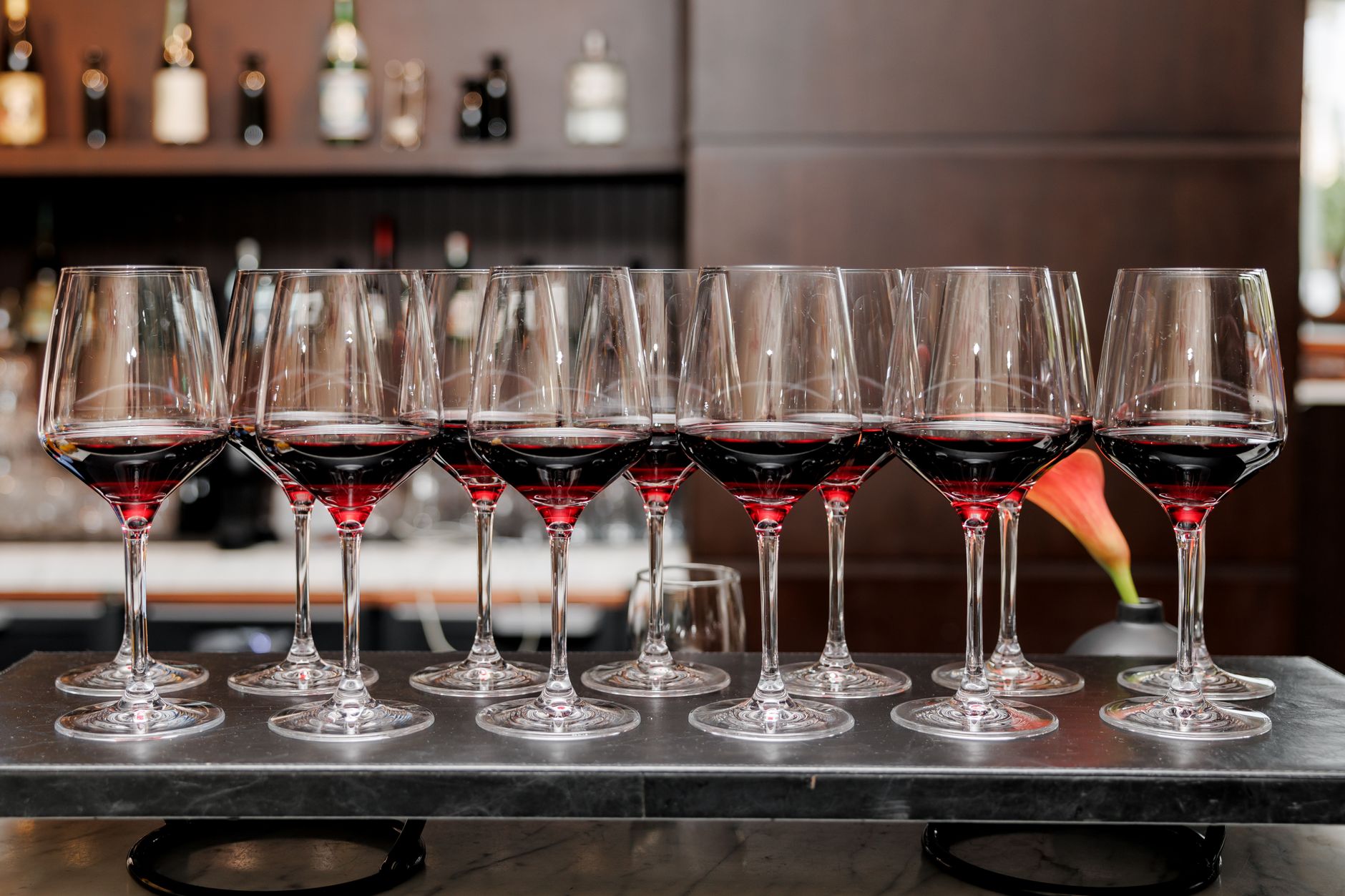
Cabernet Sauvignon is a popular red wine grape variety known for its bold flavors and full-bodied profile. Originating in France, particularly in the Bordeaux region, it is now cultivated worldwide, making it a staple choice for wine lovers and casual drinkers alike.
This article will delve into the characteristics of Cabernet Sauvignon, its flavor profile, optimal food pairings, and how to use this extraordinary wine in your culinary endeavors.
What Is a Cabernet Sauvignon?
Cabernet Sauvignon is a dark-skinned grape variety renowned for its role in red wine production. Its robust body, tannins, and acidity make it a versatile wine that can age well. Typically characterized by rich fruit flavors and herbaceous notes, it captivates the palate and enhances both simple and elaborate meals.
The Flavor Profile of Cabernet Sauvignon
Cabernet Sauvignon wines are often celebrated for their complex and bold flavor profiles. The key characteristics include:
- Fruit Flavors: Expect predominant dark fruit flavors such as blackberry, blackcurrant (cassis), and plum. As the wine ages, these fruit flavors can evolve into more concentrated and jammy versions.
- Herbal Notes: Cabernet Sauvignon often features green bell pepper, mint, eucalyptus, or sage, contributing to its earthy complexity.
- Tannins: High tannin levels are a hallmark of this wine, giving it a structured mouthfeel and allowing for excellent aging potential.
- Oak Influence: Many Cabernet Sauvignons are aged in oak barrels, resulting in additional flavors of vanilla, spice, cedar, or chocolate, which can enhance the wine’s profile.
- Acidity: A refreshing acidity balances the richness of the fruit and tannins, making Cabernet Sauvignon suitable for various food pairings.
Regions Known for Cabernet Sauvignon
While Cabernet Sauvignon is grown worldwide, several regions are renowned for producing the best examples. These include:
- Bordeaux, France: The birthplace of Cabernet Sauvignon, particularly prominent in the Left Bank district, where it often blends with Merlot and Cabernet Franc.
- Napa Valley, California: Known for producing rich, fruit-forward styles, Napa Cabernet Sauvignon often showcases bold flavors and a soft mouthfeel.
- Coonawarra, Australia: Noted for its unique terra rossa soil, this region produces Cabernet Sauvignons with distinct minty and herbal characteristics.
- Chile: Chilean Cabernet Sauvignons are recognized for their excellent value, often displaying bright fruit flavors and balanced acidity.
Cooking with Cabernet Sauvignon: Techniques & Recipes
Cabernet Sauvignon is not only delicious to drink but also enhances the flavors of various dishes when used in cooking. Here’s how to incorporate it into your kitchen:
1. Braising and Stewing
Using Cabernet Sauvignon in braises and stews adds depth and richness to the dish. The wine’s acidity helps tenderize meat while enriching the sauce with flavor.
2. Marinades
Cabernet Sauvignon works wonderfully as part of marinades for meats. The tannins and acidity can help to tenderize proteins while infusing them with flavor.
3. Sauces
Reduction sauces featuring Cabernet Sauvignon can elevate any meal. The process of simmering the wine concentrates its flavors, resulting in a rich and complex sauce, perfect for serving over grilled or roasted meats.
Essential Recipe: Red Wine Beef Stew
This hearty Red Wine Beef Stew is the perfect way to enjoy Cabernet Sauvignon in a comforting, savory dish. Here’s how to make it.
- Yield: 6 servings
- Preparation Time: 20 minutes
- Cooking Time: 2 hours
- Total Time: 2 hours 20 minutes
Ingredients
- 2 pounds beef chuck, cut into 1.5-inch cubes
- 2 tablespoons olive oil
- 1 large onion, chopped
- 3 cloves garlic, minced
- 4 carrots, sliced
- 4 potatoes, cubed
- 1 cup mushrooms, sliced
- 2 cups Cabernet Sauvignon
- 3 cups beef broth
- 2 tablespoons tomato paste
- 1 tablespoon fresh thyme, chopped
- Salt and pepper, to taste
Equipment
- Large heavy-bottomed pot or Dutch oven
- Wooden spoon or spatula
- Knife and cutting board
- Measuring cups and spoons
Method
- In a large heavy-bottomed pot or Dutch oven, heat olive oil over medium-high heat. Season the beef with salt and pepper, and brown the cubes in batches. Remove and set aside.
- Add chopped onion and garlic, sautéing until translucent.
- Add carrots, potatoes, and mushrooms, cooking for about 5 minutes until slightly softened.
- Stir in the tomato paste, cooking for an additional minute to enhance the flavors.
- Pour in the Cabernet Sauvignon and bring it to a gentle simmer, scraping the bottom of the pot to incorporate any flavorful bits stuck to the bottom.
- Add the beef back into the pot, along with the beef broth and thyme. Bring to a boil.
- Reduce heat to low, cover, and simmer for about 1.5 to 2 hours, stirring occasionally, until the beef is tender and the flavors meld together.
- Adjust seasoning with salt and pepper before serving hot.
Pairing Food with Cabernet Sauvignon
Pairing food with Cabernet Sauvignon can enhance the dining experience. Here are a few suggestions:
- Red Meats: Perfect with grilled or roasted beef, lamb, and venison due to its high tannin structure that cuts through the richness of the meat.
- Rich Pasta Dishes: Hearty sauces like Bolognese or a rich lasagna complement the wine’s bold flavors.
- Cheese: Aged cheeses like cheddar, gouda, and blue cheese harmonize well with the strong fruit and oak notes of Cabernet Sauvignon.
- Dark Chocolate: Cabernet Sauvignon can also pair beautifully with desserts featuring dark chocolate, as the sweet and bitter notes balance each other.
Tips for Selecting Cabernet Sauvignon
When choosing a bottle of Cabernet Sauvignon, consider the following tips:
- Look for Labels: Understand the region and style you prefer—whether it’s a Napa Valley powerhouse or an elegant Bordeaux.
- Check the Vintage: Ratings and reviews can guide you regarding what years were particularly good for specific regions.
- Price Range: Quality Cabernet Sauvignons vary in price, but you don’t have to overspend—there are plenty of excellent options at various price points.
Storing Cabernet Sauvignon
To maintain the wine’s quality, proper storage is essential. Here are a few guidelines:
- Keep bottles upright for short-term storage and on their sides for long-term aging to keep the cork moist.
- Store in a cool, dark place away from light and temperature fluctuations. A wine fridge is ideal.
- Consume within a few days of opening for optimal flavor; recork the bottle and store in the fridge to extend its life briefly.
Common Mistakes with Cabernet Sauvignon
When cooking with or drinking Cabernet Sauvignon, avoid these common mistakes:
- Overcooking in Dishes: While simmering is ideal for braised dishes, prolonged cooking can lead to the wine’s loss of flavor.
- Poor Pairings: Avoid pairing Cabernet Sauvignon with very delicate dishes like fish, where its boldness can overpower the meal.
- Ignoring Temperature: Serve Cabernet Sauvignon slightly below room temperature (around 60-65°F) to enhance its flavor.
Conclusion
Cabernet Sauvignon is a versatile and delicious wine that contributes not only to your glass but also to your meals. With its rich flavor profile and excellent aging potential, it is a treasured grape variety that complements many dishes. Consider integrating Cabernet Sauvignon into your cooking, whether in a hearty stew or paired with grilled meats.
For further exploration of food and wine, delve into our guides on meal prep tips, cooking techniques, and more culinary inspirations. Enjoy the adventure of cooking and savoring delicious flavors!