
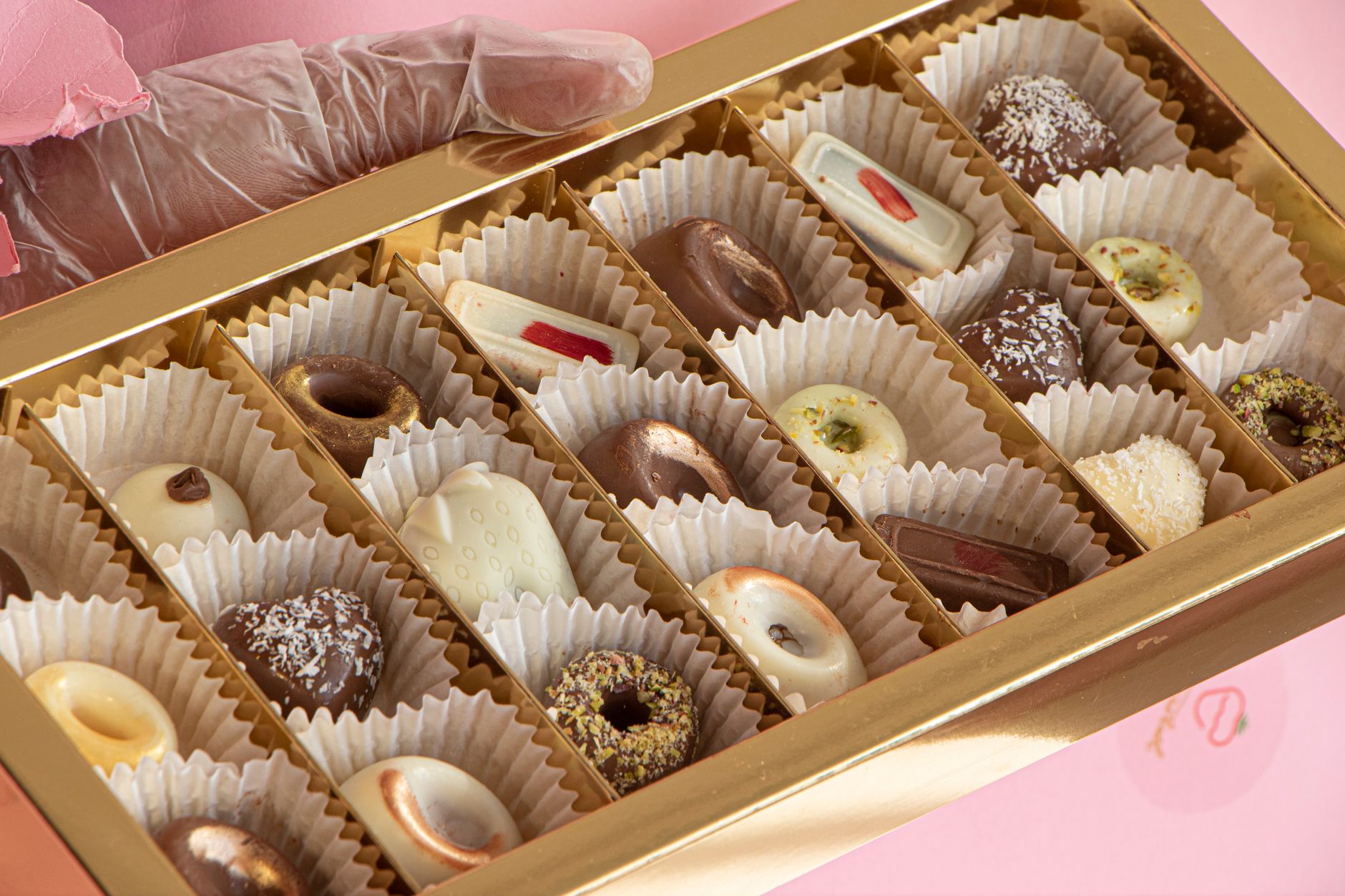
Bonbons are delightful confections, usually crafted from chocolate and filled with various delicious ingredients. Originating from the French word meaning “good,” these sweets have evolved into a beloved treat worldwide. Their versatility allows for a range of flavors and textures, making bonbons a truly intriguing topic for both confectionery lovers and aspiring home cooks.
This article explores what a bonbon is, its typical ingredients, flavor profiles, serving suggestions, and how you can create your own bonbons at home.
What Is a Bonbon?
A bonbon is a small, round or oval-shaped candy that typically features a chocolate shell and is filled with a variety of centers. These centers can include ganache, fruit purees, creams, or even nuts and spices. Bonbons are enjoyed as a gourmet treat, often associated with celebrations, gifts, or as an indulgent personal snack.
Ingredients of a Bonbon
The ingredients in bonbons can vary significantly depending on the desired flavor and texture. Here is a look at the common components:
- Chocolate: The most essential ingredient, forming the outer shell. High-quality chocolate, whether dark, milk, or white, is preferred for its flavor and consistency.
- Fillings: These can range from ganache made of cream and chocolate to fruit purees or imaginative combinations, like salted caramel or spiced nut pastes.
- Flavorings: Additional flavors can be added to enhance the fillings, such as vanilla, spices, or extracts.
- Cocoa Butter: Sometimes used in the chocolate coating to achieve a smooth finish and shiny appearance.
- Decorative Elements: Optional toppings or coatings, like crushed nuts, coconut flakes, or edible gold leaf, can offer a visual and textural contrast.
The Process of Making Bonbons
Creating bonbons involves multiple steps, including tempering chocolate, preparing fillings, and shaping the candies. Here’s a detailed guide on how to make bonbons:
Materials Needed
- Quality chocolate (dark, milk, or white)
- Ingredients for your desired filling (cream, butter, fruit, or flavorings)
- Chocolate thermometer
- Silicone bonbon molds
- Small piping bag or spoon for filling
- Offset spatula or bench scraper
- Microwave or double boiler for melting chocolate
Step-by-Step Method
- Prepare the Filling: Begin by making the filling. If using ganache, heat equal parts cream and chocolate until melted and smooth, then allow it to cool and firm up. For fruit purees, blend fresh or frozen fruit and reduce it on the stove until it reaches a syrupy consistency.
- Temper the Chocolate: Chop the chocolate into small, even pieces. Melt two-thirds of the chocolate using a microwave or double boiler until it reaches about 110°F (43°C). Remove from heat, add the remaining chocolate, and stir until it cools to about 88°F (31°C) for dark chocolate (or 86°F/30°C for milk and white chocolate). This process ensures a glossy finish and snap to the chocolate.
- Coat the Molds: Using a spoon or brush, apply a thin layer of tempered chocolate into the bonbon molds. Spin the molds around to coat evenly, ensuring the sides are sufficiently thick without leaving gaps.
- Set the Shells: Place the chocolate-coated molds in the refrigerator for about 10 minutes to firm up the shells.
- Add the Filling: Once set, fill each cavity with the prepared filling, leaving a small space at the top for the final layer of chocolate. Use a piping bag for more precision if desired.
- Seal the Bonbons: Carefully pour another layer of tempered chocolate over each filled mold. Scrape off any excess chocolate using an offset spatula for a smooth finish.
- Chill and Unmold: Refrigerate the molds again for about 20-30 minutes until fully set. Once firm, carefully pop them out of the molds.
- Decorate (Optional): Feel free to decorate with powdered sugar, edible glitter, or colored cocoa butter if desired.
Flavor Profiles
One of the most appealing aspects of bonbons is the wide range of flavors that can be explored. Common flavor profiles include:
- Classic Chocolate: Rich dark chocolate paired with smooth ganache is always a favorite.
- Fruits: Citrus, berries, or seasonal fruits can offer refreshing notes, while combinations like raspberry dark chocolate are widely enjoyed.
- Nuts: Nut-based fillings like hazelnut or almond paste add a creamy texture and a depth of flavor.
- Spices: Consider infusing fillings with spices such as cinnamon, chili, or cardamom for unique and sophisticated profiles.
- Herbs: Unexpected flavors can arise from adding herbs, such as lavender or basil, to fillings or chocolate mixtures.
How to Serve Bonbons
Bonbons can be presented in various creative ways, making them perfect for different occasions:
Presentation Ideas
- Gift Boxes: Arrange assorted bonbons in decorative boxes lined with colorful paper or tissue.
- Party Platters: Serve bonbons on an elegant platter as part of a dessert buffet at parties or celebrations.
- Coffee Pairings: Bonbons can complement coffee or tea, serving as an indulgent treat during afternoon breaks.
- Special Occasions: Consider them for weddings, anniversaries, or holidays as a unique way to mark the event.
Storing Bonbons
When storing bonbons, it’s essential to keep them in a cool, dry place to maintain texture and flavor:
- Room Temperature: Bonbons can typically be stored at room temperature for up to two weeks.
- Refrigeration: If you live in a particularly warm climate, consider refrigerating them, though be aware that this may affect their texture.
- Airtight Containers: Store bonbons in airtight containers to prevent them from absorbing odors from other foods.
Common Mistakes to Avoid
Even the most experienced confectioners can encounter some pitfalls. Here are some common mistakes to avoid:
- Temperature Control: Not tempering chocolate properly can lead to dull, soft bonbons that lack a crisp texture.
- Filling Amounts: Overfilling the molds can lead to a messy un-molding process and uneven bonbon shapes.
- Humidity: High humidity can negatively impact chocolate, so make sure your workspace is dry before starting.
- Waiting Too Long: Allowing the ganache to cool too much can lead to hardening, which makes it challenging to fill the bonbons appropriately.
Creative Variations on Bonbons
While traditional bonbons are delicious, there are numerous creative variations you can explore:
- Seasonal Flavors: Customize bonbons with seasonal ingredients like pumpkin spice for fall or peppermint for winter.
- Vegan Options: Use dairy-free chocolate and replace dairy fillings with coconut cream, nut milks, or fruit purees for vegan-friendly varieties.
- Alcohol Infusions: Incorporate favorite liqueurs or spirits into your fillings for an adult twist, such as rum-infused chocolate or champagne-flavored ganache.
- Textural Differences: Experiment with adding crunch by incorporating crunchy elements like roasted nuts or crispy rice cereal into the fillings.
Bonbons in Different Cultures
Bonbons are enjoyed in various cultures around the world, each offering unique takes on these delightful sweets:
- France: The birthplace of the term “bonbon,” French chocolatiers create exquisite, artisanal versions filled with fruit, creams, or liqueurs.
- Belgium: Known for its high-quality chocolate, Belgian bonbons often have rich praline fillings and can come in more complex flavor combinations.
- Italy: Italian ‘bonbonnière’ includes marzipan filled with liqueurs and flavored sugars, often served during special occasions.
- Japan: Japanese confections known as ‘wagashi’ sometimes include sweet bean pastes encased in colorful wrappers, paralleling the bonbon format.
Conclusion
Bonbons are a delightful treat that can be customized according to personal taste and occasion. Whether indulging in store-bought varieties or crafting your own at home, these sweets represent a charming experience of flavors and textures. With the techniques and tips outlined in this article, you can explore the art of making your bonbons, offering delicious options for any event or simple indulgence.
For more culinary inspiration, dive into our other guides, such as tips for effective meal planning, baking basics, or exploring gourmet chocolate recipes.