
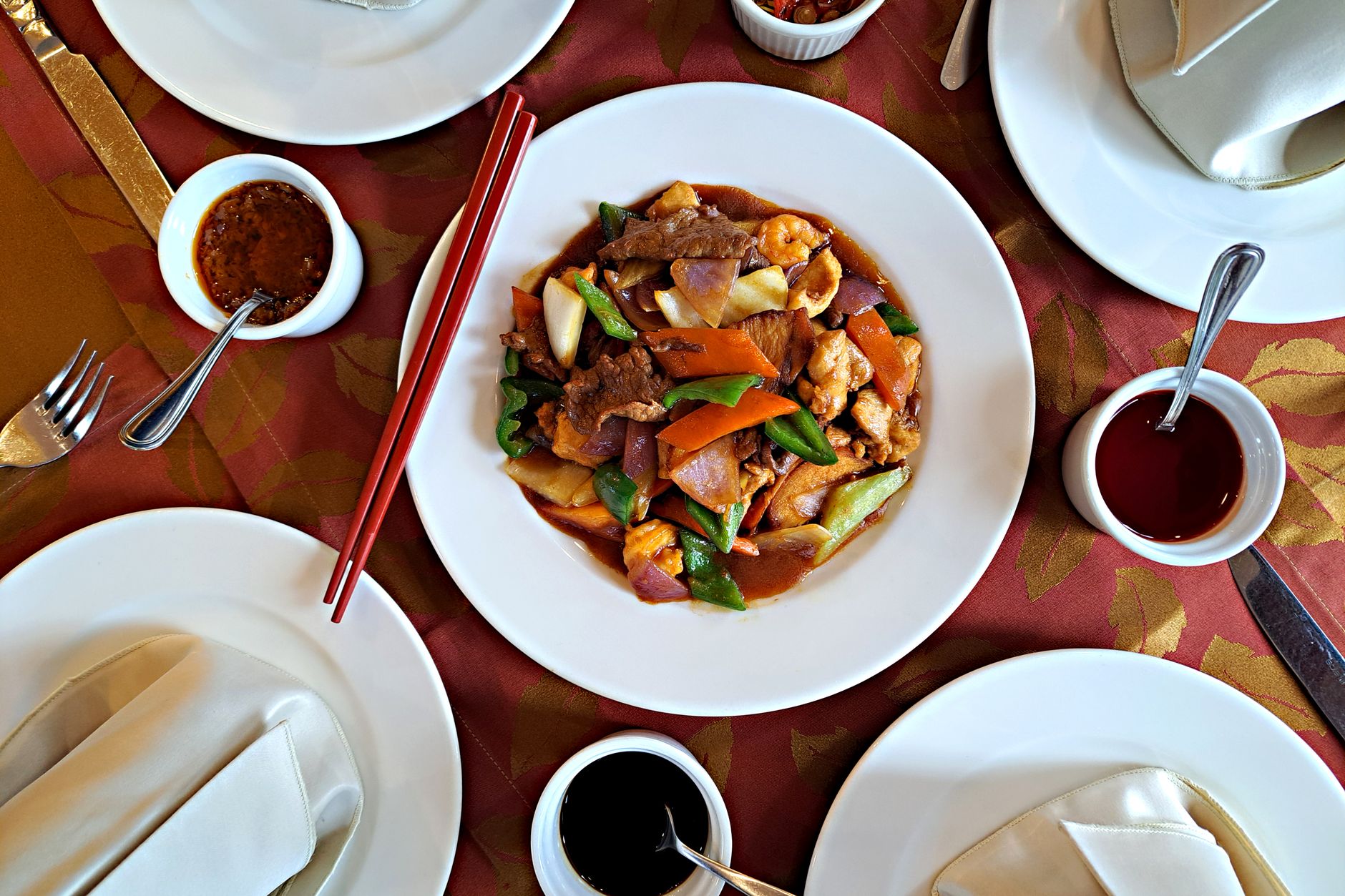
A three-course meal is a structured dining experience that includes an appetizer, a main course, and a dessert. This dining format, popular in various cultures around the world, allows diners to enjoy a balanced meal, showcasing a range of flavors and textures. Understanding how to create a three-course meal can elevate your home dining experiences and impress guests during special occasions.
Whether you’re planning a casual dinner or a formal gathering, knowing how to craft a three-course meal is a valuable skill. This guide will explore each course’s role and provide practical tips and ideas for successful meal planning.
What Is a 3 Course Meal?
A three-course meal typically consists of three distinct parts: the appetizer (starter), the main course (entrée), and dessert. Each course is designed to complement the others, creating a cohesive dining experience.
The Components of a 3 Course Meal
Appetizer
The appetizer is meant to stimulate the appetite and introduce the dining experience. It is usually light and can be served hot or cold, with flavors that prepare the palate for the main course.
Main Course
The main course is the centerpiece of the meal, featuring protein, vegetables, and often a starch. This dish is typically more substantial, providing the heart of the dining experience.
Dessert
Dessert is the sweet finale of the meal, offering a satisfying end note. This course can be a simple treat or an elaborate creation, often featuring flavors that differ significantly from the previous courses to cleanse the palate.
Planning a 3 Course Meal
When planning a three-course meal, consider a few essential aspects such as the occasion, seasonality of ingredients, dietary restrictions, and balance between courses. Here’s how to approach this:
1. Determine the Occasion
Understanding the context of your meal will inform your selections. A casual gathering with friends may call for comfort food, while a formal dinner may require more sophisticated dishes.
2. Seasonal Ingredients
Using seasonal ingredients enhances flavor and freshness. Research what vegetables and fruits are in season and incorporate them into your meal planning.
3. Dietary Restrictions
Always inquire about your guests’ dietary preferences and restrictions. Offer options for vegetarians, vegans, or those with food allergies to ensure everyone can enjoy the meal.
4. Balance and Harmony
Strive for a balance of flavors, textures, and colors across the three courses. Pair rich, hearty mains with lighter appetizers and contrasting desserts. For example, a rich meat dish can be nicely offset with a refreshing sorbet for dessert.
Recipe Ideas for Each Course
Appetizer Ideas
- Bruschetta: Fresh tomatoes, basil, garlic, and olive oil atop toasted bread.
- Stuffed Mushrooms: Mushrooms filled with a savory mixture of cheese, breadcrumbs, and herbs.
- Salad Greens: Mixed greens with a light vinaigrette, topped with seasonal fruits or nuts.
Main Course Ideas
- Grilled Salmon: Salmon fillet seasoned and grilled, served with a lemon butter sauce.
- Pasta Primavera: A colorful blend of seasonal vegetables tossed with pasta and a garlic olive oil sauce.
- Roast Chicken: Herb-marinated chicken roasted to perfection with root vegetables.
Dessert Ideas
- Chocolate Mousse: A rich and airy dessert topped with whipped cream.
- Fruit Tart: A buttery crust filled with cream and topped with seasonal fruits.
- Crème Brûlée: A creamy custard topped with a layer of hard caramel.
Creating Your 3 Course Meal
To create a delightful three-course meal, you’ll need to consider preparation time, cooking techniques, and presentation. Here’s a simple guide to crafting each course:
Appetizer Preparation
- Choose your appetizer based on the season and your theme. For instance, in summer, you might opt for a chilled gazpacho.
- Prep ingredients early, chopping vegetables or marinating proteins as needed.
- As guests arrive, ensure your appetizer is ready to serve, possibly arranging items on a platter for easy access.
Main Course Preparation
- Select a main course that can be mostly prepped before guests arrive. Dishes like casseroles or roast meats work well.
- Cook larger components ahead of time if your main dish allows, such as roasting vegetables or grilling proteins.
- Focus on timing. Start cooking just before the appetizer is served, so the main course is fresh and hot when it’s time to eat.
Dessert Preparation
- Choose a dessert that can be prepared in advance. Chilling a mousse or tart is ideal.
- Have serving dishes ready. Beautiful presentation can elevate even the simplest desserts.
- Consider a dessert that pairs well with the previous courses; for instance, a chocolate dessert after a light meal adds a satisfying contrast.
Presentation Tips
The presentation of your three-course meal can significantly enhance the dining experience. Here are some practical tips:
- Use Clean Plates: Clean plates make a significant difference. Wipe any spills or drips for a polished look.
- Color Contrast: Add vibrant colors to your dishes using garnishes, fresh herbs, or edible flowers.
- Height Variation: Create visual interest by varying the height of your food on the plate, stacking components or layering items where appropriate.
- Thoughtful Serving: Serve each course separately and allow guests time to savor each part. Clear dishes promptly before serving the next course.
Common Mistakes to Avoid
In creating a three-course meal, avoid these common pitfalls:
- Overcomplicating the Meal: Stick to a few simple, well-executed dishes rather than trying to impress with complicated preparations.
- Poor Timing: Ensure that your cooking times are well-planned so that courses flow seamlessly.
- Neglecting Dietary Needs: Always check with your guests ahead of time regarding any allergies or dietary restrictions.
Make-Ahead and Storage Guidance
Planning ahead can reduce stress and enhance the quality of your meal. Here’s how to prepare:
Make-Ahead Strategies
- Appetizers like dips and stuffed vegetables can often be made a day in advance and stored in the fridge.
- Consider prepping main courses that can be marinated or assembled beforehand.
- Desserts like tarts or mousses can be made well in advance and stored appropriately until serving.
Storage Tips
- Store leftovers in airtight containers in the fridge to maintain freshness.
- Cold dishes should be stored at or below 40°F (4°C) and eaten within a few days.
- Reheat dishes to a safe temperature, above 165°F (74°C), to prevent foodborne illness.
Preparing a Seasonal 3 Course Meal
Creating a three-course meal that reflects the seasons can enhance its flavors and make the dining experience more enjoyable. Here’s an example of a seasonal three-course meal for fall:
Example Fall Menu
- Appetizer: Butternut Squash Soup with crisp sage leaves.
- Main Course: Herb-Roasted Pork Loin with apple chutney and roasted root vegetables.
- Dessert: Warm spiced apple crisp with vanilla ice cream.
Conclusion
A three-course meal allows for creativity, flavor variety, and an enjoyable dining experience. By carefully planning each component, considering guest preferences, and focusing on presentation and timing, you can create a memorable culinary event. Experiment with different ingredient pairings and themes, and let your creativity shine in every course.
For more inspiration, explore related recipes and cooking tips to enhance your culinary skills. From beginner techniques to advanced meal planning, there’s always something new to learn in the kitchen.