
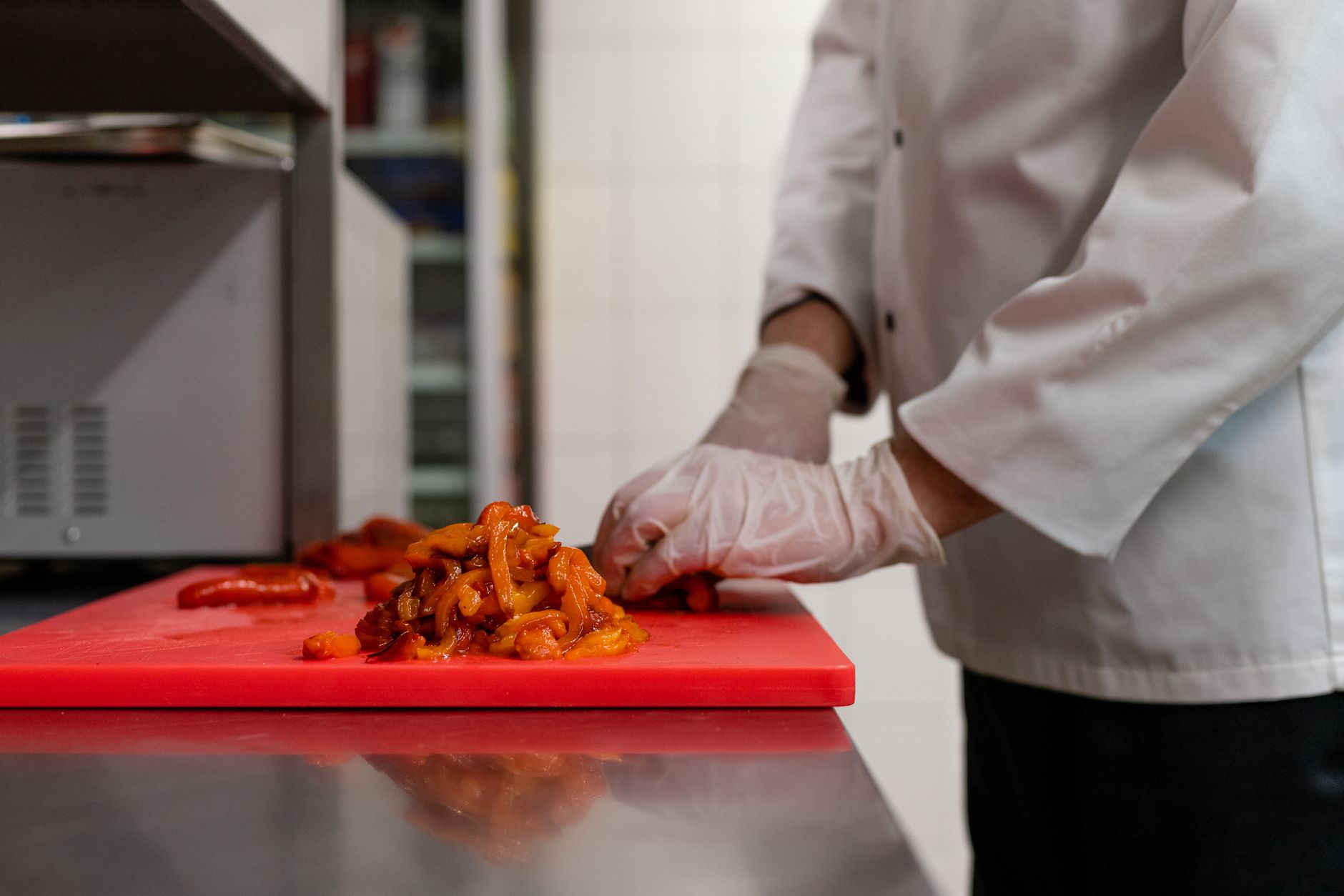
The FDA Food Code serves as a comprehensive guideline intended to ensure food safety and enforce regulations across various food service establishments. It provides a foundation for food safety laws that protect public health by minimizing risks associated with foodborne illnesses. Understanding what this code contains is essential for anyone involved in food preparation, service, or inspection.
This article delves into key components of the FDA Food Code, discussing its implications for food ingredients, preparation methods, storage practices, and sanitation protocols essential for maintaining safe food handling standards in restaurants, catering services, and home kitchens.
What Information Does the FDA Food Code Contain?
The FDA Food Code contains valuable information related to food safety, including guidelines for safe food handling, cooking temperatures, storage practices, and sanitation measures. Key areas covered by the Food Code include food ingredients—such as allowable substances, allergen management, and safe food sourcing—and these aspects are critical for any establishment serving food.
Understanding Food Ingredients in the FDA Food Code
One of the most crucial areas covered in the FDA Food Code is the management of food ingredients. The Code includes guidelines on safe sourcing, processing, and handling of all food products. Here, we explore specific elements concerning ingredients:
1. Acceptable Ingredients
The Food Code provides a framework for the ingredients that can be used in food preparation. These include guidelines for:
- Whole foods, such as fruits, vegetables, meats, and grains.
- Processed ingredients, which may encompass packaged items or those that have undergone treatment to ensure safety.
- Food additives, including preservatives or flavor enhancers that meet FDA guidelines.
It’s imperative for food businesses to source ingredients from reputable suppliers who adhere to safety measures to prevent foodborne illnesses.
2. Allergen Management
The FDA Food Code emphasizes the need for allergen management to protect consumers with food allergies. It provides information on:
- Labeling requirements for allergens such as dairy, nuts, soy, and shellfish.
- Preventing cross-contamination between allergenic and non-allergenic foods during preparation, cooking, and serving.
- Education for food handlers and staff regarding food allergies and safe ingredient use.
Establishments should have clear policies to inform customers about allergens in menu items and ensure proper handling of food to reduce the risk of allergic reactions.
3. Safe Food Sourcing
The FDA Food Code underlines the importance of sourcing food ingredients from safe, reliable suppliers. This encompasses:
- Ensuring that meat and poultry products are sourced from USDA-inspected facilities.
- Verifying that seafood comes from reputable sources that follow safety guidelines.
- Maintaining documentation for food products to track their origins, including certifications where applicable.
Using reliable suppliers minimizes contamination risks and ensures that ingredients are safe for consumption.
4. Ingredient Preparation
The preparation of ingredients must be approached with caution to reduce food safety risks. The Food Code provides guidelines on:
- Proper washing and handling of fresh produce to remove contaminants.
- Thawing methods for frozen ingredients that maintain food safety—such as refrigeration, cold water, or microwave methods.
- Cooking temperatures to achieve safe products, including guidelines for minimum internal cooking temperatures for various foods.
Following these preparation guidelines is critical for preventing cross-contamination and ensuring that food is served safely.
Importance of Cooking Temperatures
Another essential aspect covered in the FDA Food Code is the specifics of cooking temperatures necessary to kill harmful microorganisms. The Food Code stipulates:
1. Minimum Internal Temperatures
Different types of foods have specific internal temperature thresholds that must be reached to ensure safety. These include:
- Poultry (chicken, turkey): 165°F (74°C)
- Ground meats (beef, pork, lamb): 160°F (71°C)
- Beef, pork, and lamb (steaks, chops, roasts): 145°F (63°C) with a three-minute rest time.
- Fish: 145°F (63°C)
These temperatures are crucial for eliminating pathogens that cause foodborne illnesses, ensuring food served is safe for consumption.
2. Use of Food Thermometers
The Food Code encourages the use of calibrated food thermometers to accurately measure cooking temperatures. It advises:
- Using a thermometer in thickest parts of food, avoiding contact with bone, fat, or gristle.
- Regularly testing and calibrating thermometers to ensure they provide accurate readings.
Regular checks can prevent undercooked foods and potential health risks associated with improper cooking processes.
Food Storage Practices
Proper food storage prevention is key to reducing food waste and ensuring that all food remains safe for consumption. The FDA Food Code provides guidelines on:
1. Temperature Control
Temperature controls are vital for food storage. The following best practices are recommended:
- Cold foods should be stored at 41°F (5°C) or below.
- Hot foods should be kept at 135°F (57°C) or above.
- Freezer temperatures should be set at 0°F (-18°C) or below.
Maintaining these temperature thresholds reduces the risk of bacterial growth and helps preserve food quality.
2. FIFO (First In, First Out) Method
The FDA Food Code recommends the FIFO method for inventory management, which entails:
- Using the oldest stock of ingredients first to minimize spoilage and waste.
- Labeling food items with dates received and/or prepared so staff can easily identify which items to use first.
This practice ensures that food is consumed before it spoils and improves overall efficiency in kitchen operations.
3. Proper Packaging and Labeling
Proper packaging and labeling are essential for food safety and traceability. The Code emphasizes:
- Storage containers should be durable and clean, preventing leakage or contamination.
- Labeling items with relevant information, such as contents, preparation dates, and allergens.
This transparency aids in inventory management and better safety practices.
Sanitation Practices
The FDA Food Code places significant emphasis on sanitation to maintain hygiene standards in food preparation environments. Key sanitation protocols include:
1. Hand Washing and Personal Hygiene
Hand hygiene is vital in preventing foodborne illnesses and is addressed in the Food Code by:
- Contracting ample handwashing stations equipped with soap, water, and disposable towels or air dryers.
- Mandating regular hand washing for employees before handling food, after using restrooms, or when switching tasks.
Educating staff on proper handwashing techniques ensures compliance and reinforces safety measures.
2. Cleaning and Sanitizing Surfaces
Regular cleaning and sanitizing of all surfaces is essential. The Food Code specifies practices like:
- Using food-safe cleaners and sanitizers on countertops, cutting boards, and kitchen tools.
- Establishing a cleaning schedule that outlines frequency and methods for various areas of the kitchen.
A clean kitchen environment minimizes the risk of cross-contamination and foodborne illnesses.
3. Pest Control
Proper pest management is another critical area addressed in the Food Code, emphasizing:
- Regular inspections for signs of pest activity and taking corrective action as needed.
- Maintaining structural integrity of buildings to prevent pest entry.
Implementing pest control measures ensures a safe and sanitary food preparation space.
Employee Training and Responsibilities
The FDA Food Code outlines expectations for employee training to enhance food safety knowledge in the workplace. Key aspects include:
1. Food Safety Training Programs
Establishments are encouraged to provide comprehensive training for staff, covering:
- Personal hygiene and safe food handling practices.
- Understanding food allergies and safe ingredient practices.
- Proper cooking and temperature management.
Training empowers employees to uphold food safety standards, resulting in proficient handling of food products.
2. Responsibilities of Supervisors
Supervisors are tasked with ensuring compliance with the FDA Food Code, which includes:
- Regular monitoring of food preparation processes and safe handling practices.
- Addressing and correcting unsafe practices promptly.
Effective leadership creates accountability, ensuring that food safety is prioritized in daily operations.
Conclusion
The FDA Food Code serves as an essential framework for ensuring food safety across various food-service establishments. By outlining guidelines for ingredients, cooking temperatures, storage, sanitation practices, and employee training, the Food Code helps mitigate risks associated with foodborne illnesses. Understanding and adhering to these protocols protect both consumers and food handlers alike.
To maintain a safe food environment, it is crucial for food service businesses and home kitchens to regularly consult the FDA Food Code and implement its provisions. Stay informed, ensure compliance, and continue to prioritize health and safety when preparing and serving food.
Explore related recipes, cooking tips, or food guides for further insights into safe food practices and culinary techniques.