
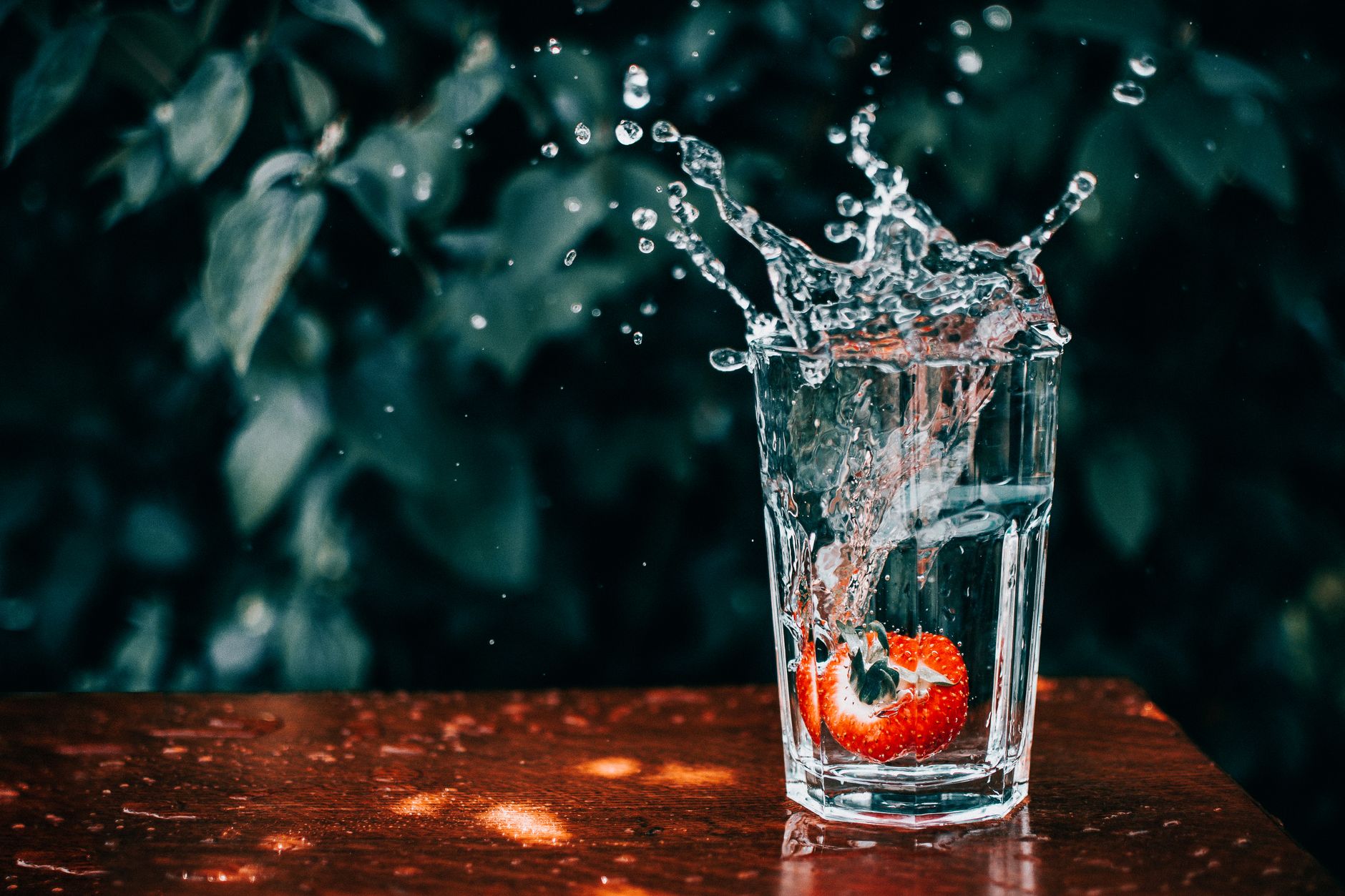
Dehydration occurs when the body loses more fluids than it takes in, leading to various health issues. Understanding what helps with dehydration can not only aid in recovery but also prevent future occurrences. Foods and beverages play a critical role in hydration, especially those rich in water content and electrolytes.
This article explores practical ways to combat dehydration, including food choices, hydration strategies, and essential kitchen uses. With the right knowledge and preparation, you can enhance your fluid intake effectively.
What Helps with Dehydration?
To combat dehydration, consume foods and beverages that are high in water content and electrolytes, such as fruits, vegetables, and specific hydrating drinks. Regular intake of these foods can help restore fluid balance in your body.
Understanding Dehydration
Dehydration can happen due to various reasons—prolonged exercise, hot weather, illnesses like fever or diarrhea, or simply not drinking enough water. When dehydrated, your body can suffer from symptoms such as fatigue, headaches, dry skin, and dizziness. Recognizing the signs early and addressing them is key.
Signs of Dehydration
- Thirst
- Dark yellow urine
- Dry skin
- Fatigue
- Dizziness or lightheadedness
- Confusion or irritability
Hydrating Foods to Include in Your Diet
A great way to rehydrate is by consuming foods with high water content. Below are some food choices that can help replenish lost fluids. These options are not only hydrating but also provide essential nutrients that your body needs for recovery.
Fruits
Fruits are a delicious and hydrating option for replenishing fluids. Many fruits have high water content and are also rich in vitamins and minerals.
- Watermelon: Composed of about 92% water, it’s ideal for hydration.
- Cucumber: Contains approximately 95% water and is refreshing in salads and salsas.
- Strawberries: With a water content of about 91%, they make great snacks or additions to smoothies.
- Cantaloupe: Offers about 89% water along with vitamins A and C.
- Oranges: Juicy and vibrant, oranges are about 86% water and high in vitamin C.
Vegetables
Similar to fruits, vegetables can contribute significantly to your hydration levels. They provide water along with valuable nutrients.
- Spinach: Contains around 91% water, making it a great addition to salads and smoothies.
- Tomatoes: Composed of about 95% water; they can be added to salads, sauces, or eaten raw.
- Bell peppers: With 92% water content, they are crunchy and hydrating.
- Broccoli: Contains about 89% water and is high in fiber and vitamins.
- Cauliflower: Offers around 92% water; it can be consumed raw or cooked.
Hydrating Beverages
While food can contribute to hydration, beverages also play a crucial role. Here are some beverages that help with hydration.
- Water: The most effective option. Aim for at least 8 glasses a day, more if you’re active.
- Coconut water: Natural electrolyte-filled drink that is perfect for restoring hydration levels.
- Herbal teas: Caffeine-free and can be hydrating; opt for peppermint, chamomile, or hibiscus.
- Broth or soups: Both help hydrate the body and provide essential nutrients and electrolytes.
- Fruit-infused water: Enhance the flavor of water by infusing it with fruits like lemon, berries, or cucumber.
Practical Tips for Staying Hydrated
Incorporating hydration into your daily routine doesn’t have to be a challenge. Here are some valuable tips to ensure you maintain adequate fluid intake.
Set a Daily Goal
Start with a daily hydration goal. A general recommendation is to drink at least half your body weight in ounces of water. For example, if you weigh 150 pounds, aim for at least 75 ounces of water each day.
Use Reminders
Set reminders on your phone or use apps that track your water intake. This simple action can help you stay aware of your hydration levels throughout the day.
Invest in a Water Bottle
Having a reusable water bottle makes it easier to track your intake. Look for one that suits your lifestyle, whether you’re at home, in the office, or on the go.
Infuse Flavor
If plain water feels monotonous, infuse it with fresh fruits, herbs, or vegetables to enhance its flavor without adding calories. This can make drinking water more enjoyable.
Meal Planning for Hydration
Meal planning can help ensure you’re incorporating hydrating foods into your diet. Here are some practical ideas for creating balanced meals that promote hydration.
Example Meal Plan
| Meal | Hydrating Foods |
|---|---|
| Breakfast | Greek yogurt with mixed berries, and a glass of watermelon juice |
| Lunch | Quinoa salad with cucumber, tomatoes, and a lemon vinaigrette |
| Dinner | Grilled chicken with steamed broccoli and a clear vegetable broth |
| Snacks | Carrot sticks with hummus and cucumber slices |
Replenishing Electrolytes
When hydrating, it’s essential to replace lost electrolytes as well. Electrolytes are minerals in your body that carry an electric charge and are vital for various functions, including maintaining your body’s fluid balance.
Foods High in Electrolytes
- Bananas: High in potassium, ideal for replenishing lost electrolytes.
- Potatoes: Rich in potassium and magnesium, especially when consumed with their skin.
- Yogurt: Contains sodium, potassium, and water, making it a great snack.
- Spinach: Besides hydration, it’s also rich in potassium and magnesium.
- Nuts and seeds: Almonds and sunflower seeds are packed with magnesium.
Strategies for Preventing Dehydration
Preventing dehydration is as important as treating it. Implementing these strategies can help maintain optimal hydration levels, especially during hot weather or exercise.
Stay Ahead of Your Thirst
Thirst is not always an accurate indicator of dehydration. Make it a habit to drink water regularly, even if you’re not feeling thirsty.
Hydrate Before Exercise
Drinking water before, during, and after exercising helps maintain performance and prevents dehydration. Consider a sports drink for longer workouts to replenish electrolytes.
Monitor Fluid Loss
Pay attention to your body and how much you sweat, particularly in hot environments. Understanding your fluid loss can help you adjust your intake.
Hydration for Special Needs
Some groups may require special attention to hydration levels. This includes athletes, pregnant women, and those with specific health conditions.
Athletes
Endurance athletes should focus on hydrating before, during, and after extended activities. Incorporating electrolytes through sports drinks can also be beneficial.
Pregnant and Breastfeeding Women
Increased fluid intake is crucial during pregnancy and breastfeeding. Women should aim for about 10 cups of fluids each day from all sources.
Older Adults
As we age, the sense of thirst can diminish, increasing the risk of dehydration. Encourage regular fluid intake, focusing on hydrating foods and drinks.
Common Mistakes to Avoid
While staying hydrated is essential, there are several common mistakes to be aware of to optimize hydration efforts.
Relying Solely on Water
While water is important, don’t overlook the benefits of hydrating foods and electrolyte-rich beverages. Balance is key in maintaining hydration.
Forgetting About Electrolytes
Drinking excessive amounts of plain water, especially during intense workouts, can lead to an imbalance of electrolytes. Incorporate foods that provide these essential minerals.
Ignoring the Weather
Hot weather can increase your need for hydration significantly. Make adjustments to your fluid intake based on external temperatures and humidity levels.
Storage Tips for Hydrating Foods
Proper storage of hydrating foods ensures you always have fresh options available to help combat dehydration.
Storage Techniques
- Fruits: Store whole fruits in a cool, dry place. Refrigerate cut fruits in airtight containers to prevent spoilage.
- Vegetables: Keep hydrating vegetables such as cucumbers and celery in the refrigerator; they stay crisp and fresh longer.
- Herbs: Store fresh herbs in the refrigerator wrapped in damp paper towels for freshness.
Conclusion
Understanding what helps with dehydration can empower you to proactively manage your hydration levels through dietary choices and smart planning. Focus on incorporating hydrating foods, staying aware of fluid loss, and adjusting your intake according to your unique needs. Whether it’s enjoying refreshing fruits or hydrating beverages, simple changes can lead to significant benefits.
Explore more hydrating recipes and tips by checking out our guides on freezing watermelon or making chia pudding with coconut milk.