
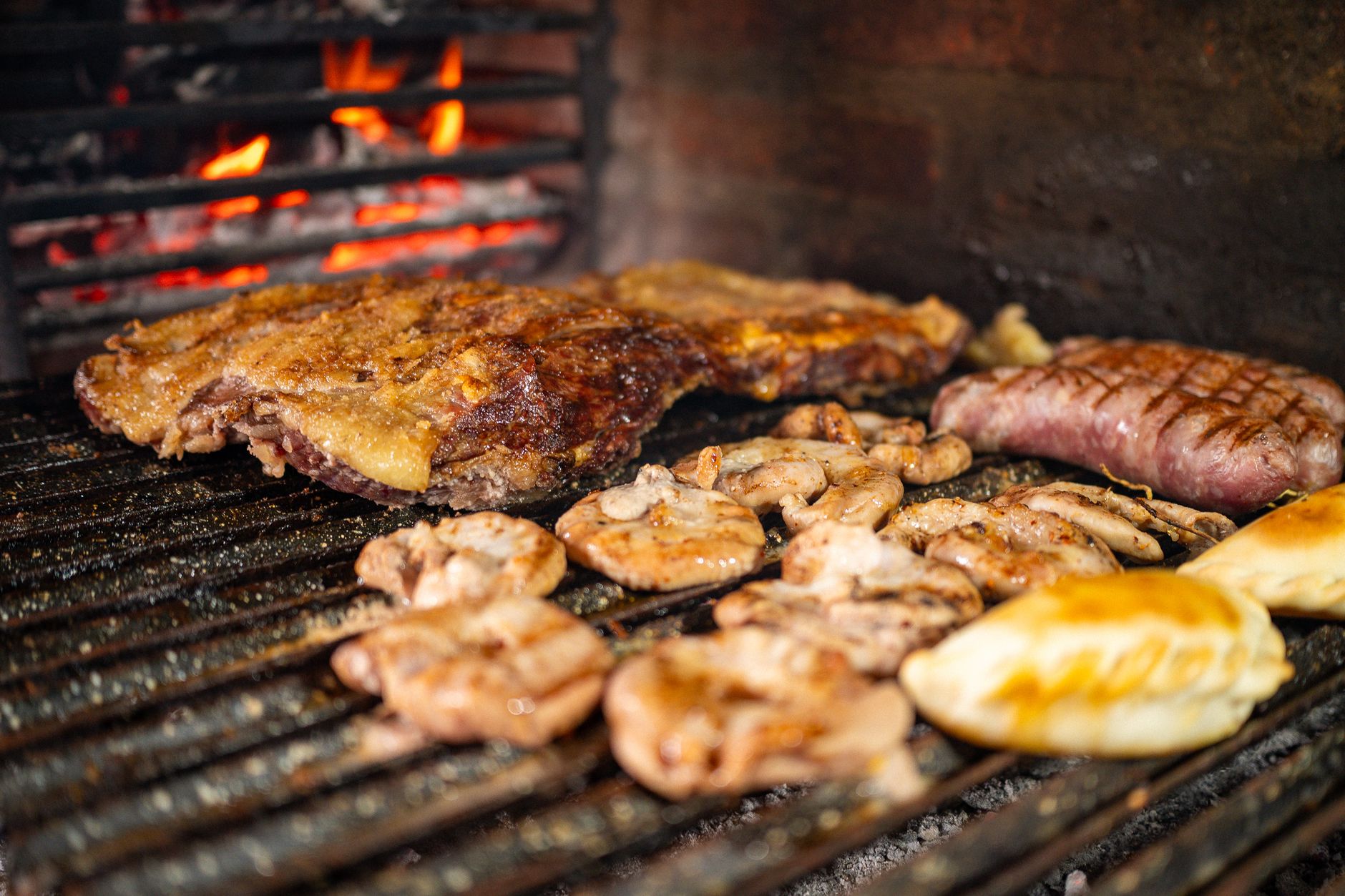
When it comes to selecting protein sources, chicken and beef are two popular options among meat eaters. Many people are concerned about their protein intake, whether for muscle building, weight management, or overall health. A common question that arises is, “What has more protein, chicken or beef?” In this article, we will delve into the protein content of both meats, their nutritional differences, and how to incorporate them into your meals.
Throughout this exploration, we will cover the specific protein content of various cuts, cooking methods, and potential substitutions for different dietary needs. Understanding these factors will help you make informed choices when planning your meals.
What Has More Protein, Chicken or Beef?
Generally, beef tends to have a higher protein content per serving than chicken. For example, a typical 3-ounce serving of cooked beef can provide around 22 to 28 grams of protein, while the same serving size of cooked chicken usually offers about 25 to 30 grams. However, the exact protein amount can vary depending on the cut of meat and the method of preparation.
Comparing Protein Content in Chicken and Beef
Here’s a closer look at the protein content in various cuts of chicken and beef, along with some details that will help you understand how to choose between them.
Chicken Protein Content
Chicken is well-known for being a lean source of protein. The specifics can vary by cooking method and whether the skin is included. Here’s a detailed breakdown:
- Chicken Breast (cooked, skinless): 26 grams of protein per 3-ounce serving
- Chicken Thigh (cooked, skinless): 23 grams of protein per 3-ounce serving
- Chicken Drumstick (cooked, skinless): 22 grams of protein per 3-ounce serving
- Chicken Wing (cooked, skinless): 30 grams of protein per 3-ounce serving
Each serving of chicken breast provides a low-fat, high-protein option, making it a favorite among fitness enthusiasts.
Beef Protein Content
Beef offers a rich flavor and a slightly higher fat content, which can contribute to its overall taste and juiciness. Here are some common beef cuts and their protein content:
- Lean Ground Beef (cooked): 22 grams of protein per 3-ounce serving
- Sirloin Steak (cooked): 26 grams of protein per 3-ounce serving
- Ribeye Steak (cooked): 25 grams of protein per 3-ounce serving
- Filet Mignon (cooked): 24 grams of protein per 3-ounce serving
Not only does beef provide a substantial amount of protein, but it also includes essential vitamins and minerals such as iron, zinc, and B vitamins.
Health Considerations
When deciding between chicken and beef, it’s also essential to consider nutritional value beyond just protein content. Here are some factors to keep in mind:
Fat Content
Chicken, especially breast meat, is typically lower in fat than beef. Skinless chicken breast has less than 3 grams of fat per serving, making it an excellent choice for those watching their fat intake. In contrast, fattier cuts of beef, such as ribeye or ground beef, can contain anywhere from 15 to 20 grams of fat, depending on the cut.
Vitamins and Minerals
Beef is an excellent source of iron, particularly heme iron, which is more easily absorbed by the body compared to the non-heme iron found in plant sources. This can be particularly beneficial for those who are at risk of iron deficiency. On the other hand, chicken is lower in iron but provides essential B vitamins, especially niacin and vitamin B6.
Cooking Methods and Their Impact on Protein Content
The way you cook chicken or beef can influence the protein content, as well as the overall healthiness of the dish. Here’s how various methods affect the protein content:
Grilling and Baking
Grilling or baking can help retain most of the protein content in both chicken and beef without adding extra fat. For healthy preparation, opt for seasoning with herbs and spices rather than heavy sauces.
Frying
Frying can add significant fat to chicken or beef, impacting overall health concerns. While protein content remains relatively stable, the health benefits may decrease due to added calories and unhealthy fats. If frying, consider using a healthier oil and limited amounts.
Stewing and Braising
These methods can break down tough cuts of meat, making them more tender and flavorful. Protein content typically remains consistent, but it may be beneficial to avoid excessive added sugars or sodium in sauces and seasonings.
Incorporating Chicken and Beef into Your Diet
To get the benefits of both chicken and beef, consider how you can incorporate each into your diet throughout the week. Here are some meal ideas:
Meal Planning Ideas
- Grilled Chicken Salad: Use grilled chicken breast on a bed of leafy greens with assorted veggies and a light dressing.
- Beef Stir-Fry: Choose lean flank or sirloin beef, stir-fried with colorful vegetables and served over brown rice.
- Chicken and Quinoa Bowl: Combine cooked chicken with quinoa, roasted vegetables, and a tahini sauce for a nutritious meal.
- Beef Tacos: Use lean ground beef or shredded beef in soft or hard shell tacos, loaded with fresh toppings like avocado and salsa.
Rotating chicken and beef throughout your meal plan can keep your palate interested while also ensuring you receive a variety of nutrients.
Substitutions and Variations
If you’re looking for alternatives to chicken or beef, numerous options exist for various dietary preferences, whether you’re vegetarian, vegan, or simply wish to mix things up.
Chicken Substitutes
- Turkey: Offers a similar protein content and is an excellent alternative if you prefer a less fatty meat.
- Tofu: A plant-based source of protein that takes on the flavors of the accompanying seasonings.
- Seitan: Made from wheat gluten and provides a meat-like texture and high protein content.
Beef Substitutes
- Ground Turkey or Chicken: Lower in fat than ground beef while still retaining a good protein level.
- Lentils: A great plant-based protein option, also rich in fiber, making it a great substitute in dishes like tacos.
- Black Beans: These can work well in chili or burritos as a nutritious alternative with substantial protein.
Substituting meats with plant-based options can also provide different flavors and health benefits, so it’s worth experimenting with these alternatives.
Common Mistakes and Troubleshooting
While preparing chicken and beef, there are a few common mistakes that cooks should be aware of to avoid compromising protein intake and overall dish quality:
Overcooking
Overcooked chicken can become dry and tough, while overcooked beef can turn chewy or tough as well. Utilize a meat thermometer to check internal temperatures: 165°F for chicken and 145°F for beef.
Incorrect Seasoning
Seasoning is crucial for enhancing flavors. Be cautious not to oversalt or undersalt, as both can result in an unbalanced meal.
Ignoring Quality
When purchasing meats, consider the quality. Opt for grass-fed beef or organic chicken when possible, as these options typically contain more nutrients and healthier fatty acid profiles.
Storage and Reheating Guidelines
Proper storage is essential to maintain the quality and safety of chicken and beef.
Storage Tips
- Keep raw meat separate to avoid cross-contamination.
- Store raw chicken in the refrigerator for 1-2 days and beef for 3-5 days before cooking.
- If not used within those timeframes, freeze chicken and beef immediately. Raw chicken can be frozen for up to 9 months, while beef can last up to 12 months.
Reheating Guidelines
Reheat cooked chicken and beef to a minimum temperature of 165°F to ensure safety. To retain moisture, cover the meat while reheating:
- Mildly reheat in the oven or skillet to retain tenderness.
- Avoid microwaving if possible, as it can make meat rubbery.
Final Thoughts
Both chicken and beef can be excellent sources of protein, each offering unique flavors, textures, and nutritional benefits. By understanding the differences, cooking methods, and substitutions, you can effectively plan your meals to meet your dietary preferences and protein requirements.
Selecting between chicken and beef ultimately comes down to personal preference and dietary objectives. Whichever you choose, be sure to consider how to creatively include them into your meals while reaping the protein benefits.
If you’re interested in more meat storage tips, be sure to read about how long ground beef is good in the fridge! Also, learn about how much protein is in ground beef for further insights into your meal planning.