
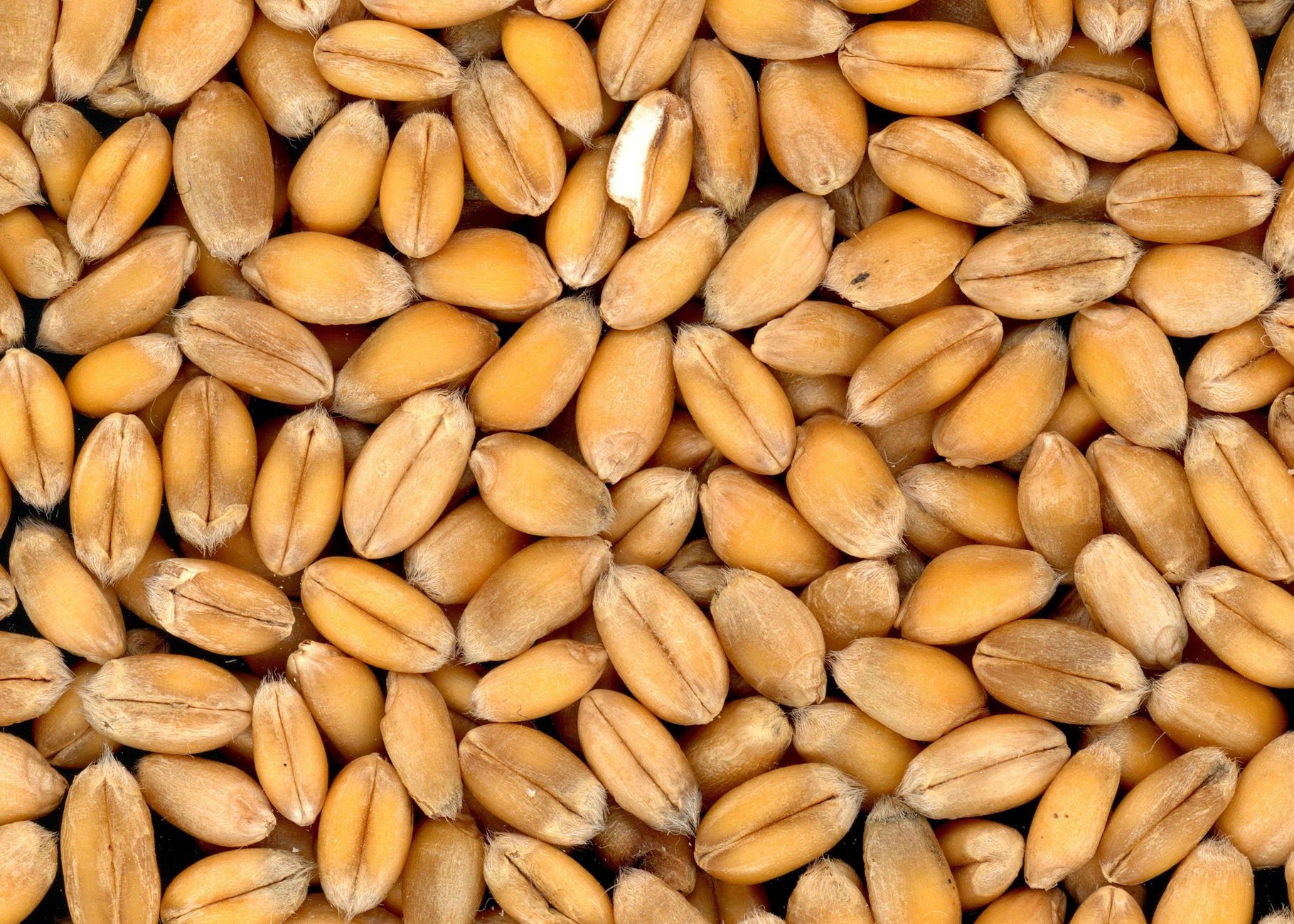
Understanding which grains contain gluten is essential for those with gluten sensitivities or celiac disease. Gluten is a protein found in certain grains that can cause adverse reactions in susceptible individuals. This guide will help you identify grains that contain gluten and provide tips on reading labels for gluten-free products.
By knowing what to look for, you can make informed decisions about your diet and enjoy a variety of gluten-free foods without worry. Let’s explore the grains that contain gluten, understand their characteristics, and review what to check for on labels.
What Grains Have Gluten?
Gluten is primarily found in wheat, barley, and rye, along with their derivatives. Here’s a breakdown of common grains containing gluten:
- Wheat: The most common gluten-containing grain, with several varieties, including:
- Hard Red Wheat: Typically used for bread.
- Soft Red Wheat: Suitable for cakes and pastries.
- Durum Wheat: High in gluten, commonly used for pasta.
- Barley: Often used in soups, stews, and for brewing beer.
- Rye: Known for its use in rye bread and certain whiskey production.
- Bulgur: A whole grain made from cracked wheat, often used in Middle Eastern dishes like tabbouleh.
- Semolina: Coarse wheat used primarily for making pasta and couscous.
- Spelt: An ancient grain related to wheat, often marketed as a health food.
- Triticale: A hybrid of wheat and rye, used in breads and cereals.
Understanding Gluten and Its Function
Gluten serves as a binder in cooking and baking, helping to give structure and elasticity to dough. This is especially apparent in baked goods where a chewy texture is desirable. The presence of gluten affects the way various grains behave in recipes, leading to significant differences in texture and taste.
Identifying Gluten-Free Options
Those requiring a gluten-free diet can find alternatives in various grains that do not contain gluten. Common gluten-free grains include:
- Rice: All types, including brown, white, and basmati.
- Corn: Cornmeal, polenta, and popcorn.
- Quinoa: A nutritious seed that is high in protein.
- Oats: Ensure they are certified gluten-free, as they are often contaminated during processing.
- Amaranth: A grain filled with nutrients and a slightly nutty flavor.
- Sorghum: Commonly used in gluten-free flour blends.
- Millet: A versatile grain that can be used in both savory and sweet dishes.
Reading Labels: Tips for Gluten Identification
When shopping for grains and grain-based products, being mindful of labels is crucial. Here are effective strategies for identifying gluten-containing ingredients:
- Look for “wheat,” “barley,” and “rye”: These adjectives indicate the presence of gluten.
- Check for derivatives: Words like “gluten,” “hydrolyzed wheat protein,” and “wheat starch” suggest gluten is present.
- Seek certified gluten-free labels: Many products now highlight gluten-free certification, ensuring safety for individuals with gluten sensitivities.
Common Products to Be Cautious With
Several food products contain hidden sources of gluten. Always scrutinize these common items:
- Baked Goods: Breads, cakes, cookies, and pastries often contain wheat flour.
- Processed Foods: Sauces, dressings, and snacks may contain gluten as a thickening or binding agent.
- Beer: Traditional beers are brewed with barley and should be avoided.
- Oats: Unless labeled gluten-free, they may be cross-contaminated during production.
Practical Tips for Cooking and Baking Gluten-Free
When cooking or baking gluten-free, it’s essential to adapt recipes and methods to substitute gluten-containing grains without compromising flavor or texture.
Ingredient Substitutions
Here are practical substitutions for recipes requiring wheat and other gluten-containing ingredients:
- All-Purpose Flour: Use a gluten-free flour blend that contains ingredients like rice flour, almond flour, or tapioca starch. Start with a 1:1 substitution ratio but consider adding xanthan gum for texture.
- Breadcrumbs: Use crushed gluten-free crackers, ground nuts, or gluten-free oats.
- Pasta: Explore gluten-free pasta made from rice, quinoa, or lentils. Cooking times may differ.
Cooking Techniques
When adapting traditional recipes, consider the following cooking techniques:
- Binding Agents: Utilize eggs or flaxseed meal as binding agents in recipes that usually require gluten for structure.
- Hydration: Gluten-free flours often require more liquid. Adding moisture gradually can help achieve the desired consistency.
- Experimenting: Mixing different gluten-free flours can improve texture and flavor. Consider blending almond flour with coconut flour for baking.
Common Mistakes to Avoid
When cooking gluten-free, be aware of these common pitfalls:
- Using solely one gluten-free flour: Many single gluten-free flours lack the structure of gluten; blending can yield better results.
- Ignoring ingredient testing: Even naturally gluten-free grains can be contaminated—always check labels.
- Overmixing batters: Gluten-free batters often need gentler handling to avoid a dense texture.
Storage Tips for Gluten-Free Grains
Proper storage of gluten-free grains is essential for maintaining their freshness and preventing spoilage:
- Cool, Dry Place: Store grains in airtight containers in a cool, dry area away from moisture and light.
- Refrigeration: For extended shelf life, consider refrigerating or freezing gluten-free flours.
- Regular Checks: Inspect for signs of spoilage or rancidity regularly, especially with flours made from nuts.
Embracing a Gluten-Free Lifestyle
Transitioning to a gluten-free lifestyle may seem challenging at first, but it also opens up a diverse array of food options. Exploring various grains and experimenting with new recipes can lead to exciting culinary experiences.
Here are some ideas to get started on your gluten-free journey:
- Explore new cuisines: Many traditional cuisines worldwide naturally offer gluten-free dishes, such as Thai, Indian, or Mexican cuisine.
- Utilize grain-free alternatives: Try cooking with chickpea flour or other legumes to enrich your meals.
- Embrace whole foods: Eating whole foods such as fruits, vegetables, and meats will help you maintain a healthy diet while avoiding gluten.
Conclusion
Identifying which grains contain gluten is crucial for those needing to avoid this protein. Armed with knowledge about gluten-rich grains, labeling guidelines, and cooking tips, you can craft delicious gluten-free meals without sacrificing flavor. Don’t hesitate to experiment with gluten-free alternatives to find what works best for you, and enjoy the journey of discovering new grains.
For more about gluten-free options, consider checking out our guide on Basmati Rice and learn the differences between bleached and unbleached flour to enhance your cooking knowledge.