
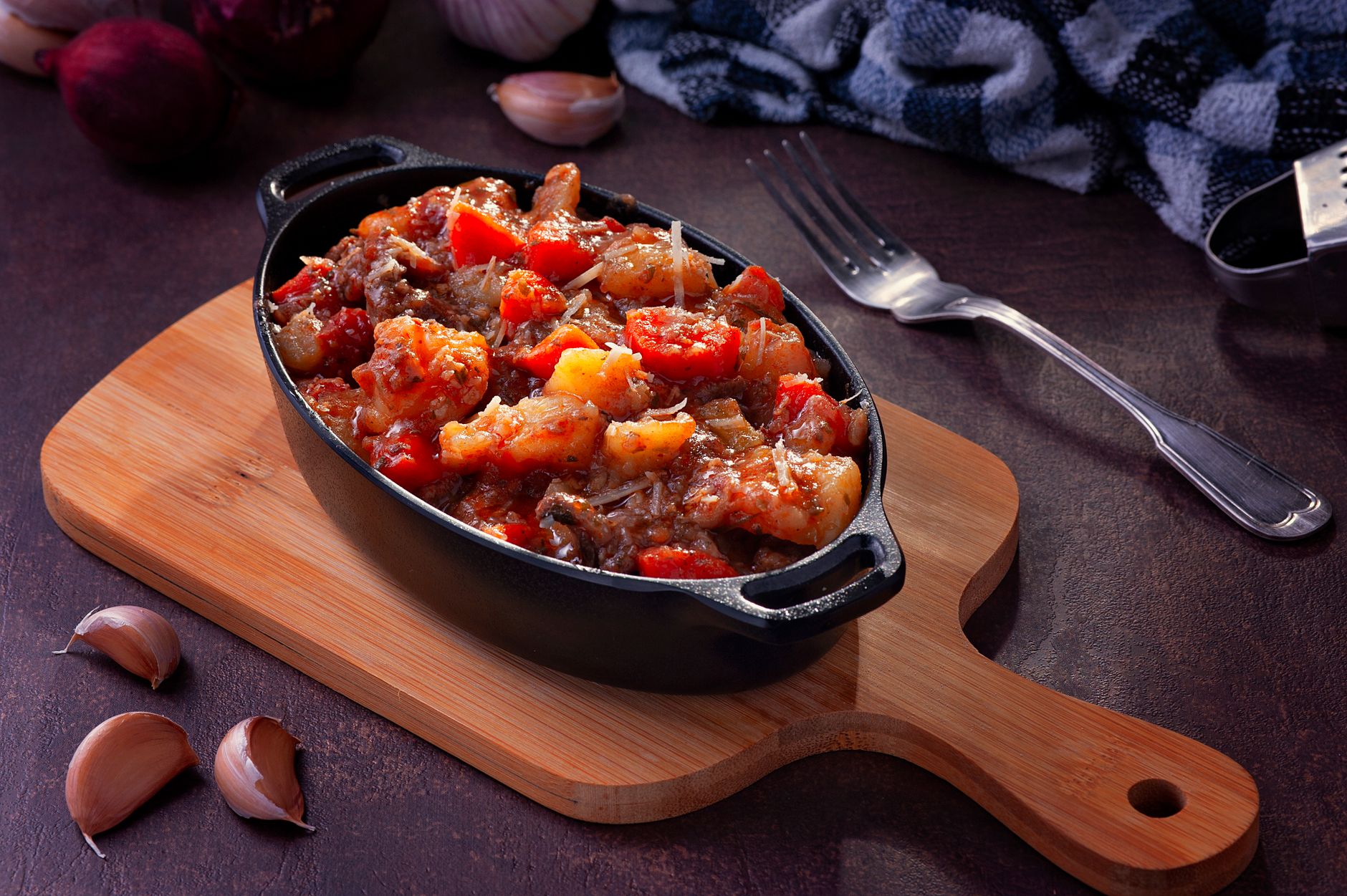
Stew is a beloved dish across many cultures, known for its rich flavors and hearty texture. Making stew typically involves simmering ingredients together, allowing their flavors to meld beautifully over time. Understanding what goes into a stew is essential for crafting a comforting meal that satisfies both hunger and taste.
This article will explore the essential ingredients of stew, how to balance flavors, suitable kitchen techniques, and tips for creating variations. Whether you’re a novice cook or a seasoned chef, you’ll find valuable insights here to enhance your stew-making skills.
What Goes in Stew?
Stews generally consist of a few core components: protein, vegetables, liquid, and seasonings. These ingredients work together to create a wholesome dish. Understanding each component and how they interact is key to making a successful stew.
Key Ingredients for Stew
1. Protein Sources
- Beef: Cuts such as chuck roast or stew meat are perfect for stews as they become tender when cooked slowly.
- Pork: Pork shoulder is fat-rich, adding flavor and richness to your stew.
- Chicken: Chicken thighs work well because they hold up during longer cooking times and retain moisture.
- Fish and Seafood: Ingredients like salmon, shrimp, or clams can be added as lighter protein options. These should be added at the final cooking stages to prevent overcooking.
- Vegetarian Options: Tofu, tempeh, and beans are great substitutes for a vegetarian stew, providing texture and protein without meat.
2. Vegetables
- Root Vegetables: Carrots, potatoes, and turnips add sweetness and heartiness.
- Alliums: Onions, garlic, and leeks contribute base flavors and aroma.
- Celery and Bell Peppers: These add crunch and further sweetness.
- Mushrooms: They add umami and depth to the stew and can enhance the dish’s overall flavor.
3. Liquid Base
- Broth or Stock: Beef, chicken, or vegetable broth is common. The choice depends on the desired flavor profile.
- Water: While using only water is acceptable, a richer flavor typically comes from a broth.
- Wine or Beer: These can add significant depth. For example, red wine with beef stew or white wine with chicken stew can enhance flavors.
4. Seasonings and Herbs
- Salt and Pepper: Fundamental for enhancing flavors; use to taste throughout the cooking process.
- Herbs: Thyme, rosemary, bay leaves, and parsley are commonly used. Fresh herbs can be included toward the end of cooking for brighter flavors.
- Spices: Paprika, cumin, and allspice can be excellent for additional heat or warmth.
- Acid: A splash of vinegar or lemon juice at the end can brighten the dish.
Balancing Flavors in Stew
To create a well-rounded stew, attention must be paid to balancing flavors. Here are some parts of flavor balancing:
Layering Flavors
Building flavor through layering is crucial. Start with sautéing your onions and garlic in a pot to develop sweetness and depth before adding meat to brown. Then add other vegetables and spices to infuse those flavors into the dish.
Using Fat
Cooking your ingredients in fat, such as oil or butter, can help dissolve and carry the flavors. Fat also adds richness, so when making a stew, consider browning your protein first in a bit of fat.
Incorporating Umami
Consider using mushrooms or tomatoes as they are rich in umami flavors, which can enhance the depth and savoriness of your stew.
Cooking Techniques for Stew
Different cooking methods can give your stew unique characteristics.
1. Slow Cooking
Using a slow cooker allows the ingredients to meld flavors over time, resulting in a tender and deeply flavored stew. Typically, cooking on low can take anywhere from six to eight hours, depending on the ingredients.
2. Stovetop Cooking
Stovetop cooking is a quicker method and allows for more control. After browning the meat and cooking vegetables, bring the stew to a boil, then reduce to a simmer. This usually takes between one and three hours.
3. Pressure Cooking
Using a pressure cooker greatly reduces cooking time. Less than an hour is often adequate, making this method ideal for those in a hurry. Adjust the amount of liquid slightly since less evaporates during cooking.
Common Mistakes and Troubleshooting
Even seasoned cooks can make mistakes while preparing stew. Here are some common pitfalls and solutions:
1. Overcrowding the Pot
Adding too many ingredients at once can lead to uneven cooking. It’s best to work in batches if necessary.
2. Not Browning Your Ingredients
Browning your proteins and aromatics helps develop a more complex flavor. Taking this step may add a bit of time, but it’s worthwhile.
3. Seasoning Late
Failing to season as you cook often results in a bland dish. Be sure to taste and add salt and herbs throughout the cooking process.
4. Cooking at High Heat
Cooking on too high heat can lead to tough meat instead of tender pieces. Always opt for a low and slow approach when making stew.
Serving Suggestions
How you choose to serve your stew can enhance the overall dining experience:
1. Side Accompaniments
- Bread: Crusty bread or dumplings can be excellent for soaking up the broth.
- Salad: A light salad can complement the hearty nature of the stew while offering freshness.
2. Garnishes
Consider garnishing with fresh herbs like parsley or chives to add a pop of color and freshness.
Make-Ahead Guidance
Stew is an excellent dish for make-ahead meals. Flavors often deepen after sitting, making it ideal for leftovers.
Storage Tips
Store your stew in an airtight container in the refrigerator for up to four days. You can also freeze the stew in portions for longer storage, up to three months. When reheating, do so slowly on the stove or in the microwave to maintain the best consistency.
Reheating Tips
When reheating, adding a splash of broth or water can help revive the original texture of the stew if it’s become too thick.
Variations to Try
Experimenting with a stew can lead to exciting new flavors. Here are some variations to consider:
1. Regional Variations
- Beef Bourguignon: A French classic that uses red wine for depth.
- Irish Beef Stew: A traditional stew with Guinness beer for a unique twist.
- Italian Stew: Often incorporates tomatoes and Italian herbs like basil and oregano.
2. Seasonal Variations
Adapt your stew to the seasons by using fresh, seasonal vegetables. In spring, try asparagus and peas; in autumn, add squash and root vegetables.
3. Dietary Adaptations
To cater to dietary preferences, consider vegan stews made with beans and lentils, or gluten-free options by avoiding thickening agents that contain gluten.
Conclusion
Stews are versatile, comforting meals that can easily adapt to different tastes and dietary needs. They serve as an excellent base for creativity in the kitchen, so feel free to experiment with ingredients and flavors. Embrace the process and enjoy the warmth that comes from a deliciously simmered pot.
For more ideas, consider checking out our recipes for beef stew seasoning and rabbit stew recipe.