
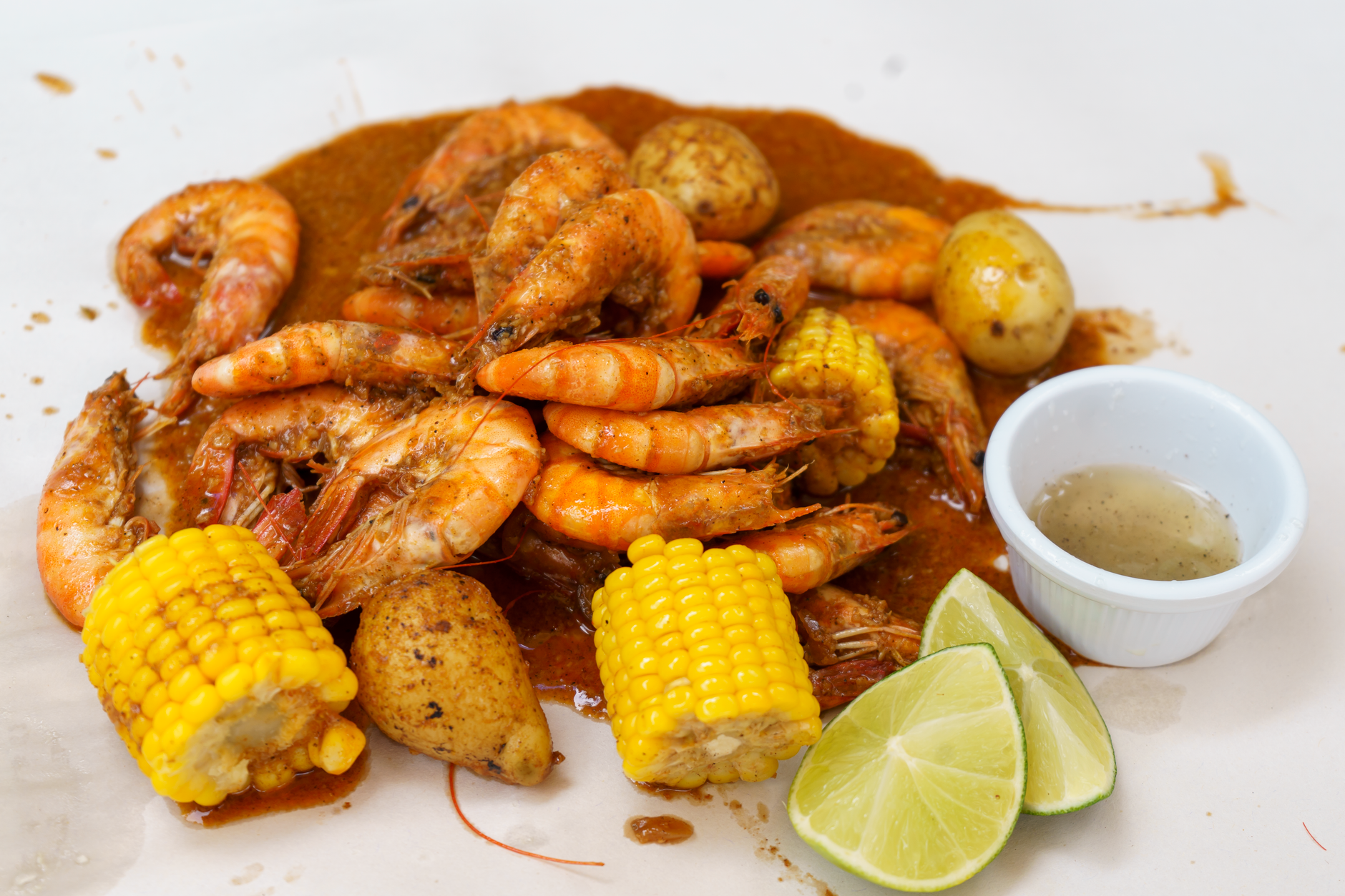
Cajun seasoning is a vibrant blend of spices that captures the essence of Louisiana cooking. This seasoning is known for its bold flavors, adding warmth and depth to a variety of dishes—from gumbo to grilled meats. Understanding what goes into Cajun seasoning will help you make your own blend at home, ensuring that any dish reflects the authentic taste of Cajun cuisine.
In this article, we will explore the essential ingredients that comprise Cajun seasoning, tips for making it, and ways to use it in your cooking. Whether you are an experienced chef or a beginner in the kitchen, this guide will equip you with the knowledge needed to elevate your dishes with Cajun flair.
What Goes in Cajun Seasoning?
Cajun seasoning typically consists of six fundamental spices: paprika, cayenne pepper, garlic powder, onion powder, black pepper, and dried thyme. Together, these ingredients create a balanced blend that is spicy, savory, and aromatic.
The Essential Ingredients
- Paprika: This spice adds rich color and earthy sweetness to the blend. Look for smoked paprika for a deeper flavor.
- Cayenne Pepper: Known for its heat, cayenne pepper gives Cajun seasoning its signature spiciness. Adjust the amount based on your heat preference.
- Garlic Powder: This contributes to the savory depth of the seasoning. It is a staple in many spice blends.
- Onion Powder: Onion powder complements garlic powder and adds an aromatic undertone.
- Black Pepper: Freshly ground black pepper enhances the seasoning’s flavor profile, adding complexity.
- Dried Thyme: This herb contributes a subtle earthiness, bringing balance to the pungency of the other spices.
Optional Ingredients to Enhance Your Cajun Seasoning
You can also consider the following optional ingredients to personalize your Cajun seasoning blend:
- Oregano: This herb adds a slightly sweet, warm flavor that complements the other spices.
- Celery Salt: This ingredient can add a sodium kick and subtle celery taste, traditionally found in Cajun dishes.
- Mustard Powder: For a tangy note, mustard powder can deepen the flavor further, offering a pleasant complexity.
- Dried Basil: Incorporating basil can provide a slightly sweet and aromatic flavor, enhancing the mix’s freshness.
How to Make Cajun Seasoning
Creating your own Cajun seasoning is simple and requires no special equipment. Follow these steps to mix your blend:
- Gather Ingredients: Collect your spices and any optional ingredients you plan to use.
- Measure Ingredients: Use equal parts of each essential ingredient for a basic blend. For a spicy kick, increase the cayenne pepper.
- Combine: In a small bowl, mix all the ingredients thoroughly to ensure even distribution.
- Store: Transfer the blend into an airtight container. Keep it away from light and moisture for maximum freshness.
Serving Size and Storage
Typically, this recipe will yield about ½ cup of Cajun seasoning. Store it in a cool, dark place, and it can last for up to six months, maintaining its potency.
Using Cajun Seasoning in Your Cooking
Cajun seasoning can bring life to a wide variety of dishes. Here are some creative ways to incorporate it into your meals:
Meats and Seafood
Cajun seasoning pairs exceptionally well with meats and seafood. Here are a few ideas:
- Grilled Chicken: Rub Cajun seasoning on chicken breasts for an extra kick before grilling or baking.
- Shrimp Tacos: Season shrimp with Cajun spice before sautéing for flavorful tacos.
- Fish Fry: Use flour mixed with Cajun seasoning for a spicy coating when frying fish.
Vegetables
Vegetables can also benefit from the flavors of Cajun seasoning. Try these suggestions:
- Roasted Vegetables: Toss vegetables such as potatoes, bell peppers, and zucchini with olive oil and Cajun seasoning before roasting.
- Grilled Corn: Season corn on the cob with Cajun spices for a tasty twist on a summer classic.
Soups and Sauces
Adding Cajun seasoning to soups and sauces creates depth and warmth:
- Gumbo: A classic dish rich in Cajun flavors, enhance your gumbo with your homemade Cajun seasoning.
- Jambalaya: Add seasoning to the rice mixture during cooking to infuse it with Cajun flavor.
Egg Dishes
Cajun seasoning can add a punch to your breakfast:
- Omelettes: Sprinkle Cajun spice into your egg mixture before cooking, alongside your favorite fillings.
- Deviled Eggs: Mix the seasoning into the yolk mixture for a zesty filling.
Substitutions for Cajun Seasoning Ingredients
If you find yourself short on certain spices, here are some reliable substitutions to consider:
- Paprika: Use a combination of half cayenne pepper and half chili powder for a similar flavor profile.
- Cayenne Pepper: Red pepper flakes can be used for a less finely ground option.
- Garlic Powder: Fresh minced garlic can work in a pinch, but keep in mind it will have a different intensity.
- Dried Thyme: Oregano or dried basil can substitute in recipes, keeping in mind they change the flavor slightly.
Common Mistakes and Troubleshooting
When making and using Cajun seasoning, here are a few common mistakes to avoid:
- Overusing Cayenne: Be cautious with cayenne pepper, as it can quickly overpower other flavors. Start with a smaller quantity and adjust to taste.
- Inadequate Mixing: Ensure that the spices are well-mixed to avoid uneven seasoning. A whisk or a jar with a tight lid can help with mixing.
- Poor Storage: If spices lose their aroma or flavor quickly, check your storage conditions. Always keep your blends in airtight containers away from heat.
Cajun Seasoning Serving Tips
Maximize the flavor of your Cajun seasoning with these serving tips:
- Season Generously: Don’t shy away from using a good amount. Cajun cuisine is known for its bold flavors, so apply seasonings liberally.
- Pair with Acidity: Smoky or spicy dishes often benefit from a squeeze of lemon or a splash of vinegar to balance flavors.
- Complement with Fresh Herbs: Garnishing your dishes with fresh parsley, green onions, or cilantro can elevate flavor and appearance.
Using Cajun Seasoning in Meal Planning
Incorporating Cajun seasoning into your meal planning can introduce exciting flavors to your weekly menus. Here are a few ideas:
- Batch-Cooked Meals: Use Cajun seasoning in batch-cooked dishes like jambalaya or gumbo that can last several days.
- Customizable Bowls: Create customizable meal bowls with grilled meats, sautéed vegetables, and grains, allowing family members to season their meals to taste.
- Quick Weeknight Dishes: Keep a Cajun seasoning blend handy for easy weeknight meals—season shrimp or chicken and pair with quick-cooking grains.
Making Cajun Seasoning Ahead of Time
Preparing Cajun seasoning ahead of time can save you countless minutes during a busy week. Here are practical tips:
- Batch Preparation: Make a larger batch of Cajun seasoning and store it properly for quick access when needed.
- Label Containers: Be sure to label the container with the date you made the seasoning to keep track of freshness.
Storing Your Cajun Seasoning
For the best quality and longevity of your homemade Cajun seasoning, consider the following:
- Airtight Containers: Utilize glass jars or plastic containers to store your seasoning mix. Make sure they seal well to protect against moisture.
- Cool, Dark Places: Keep the seasoning in a pantry or cupboard, shielded from light and heat, which can degrade spice potency.
Cajun seasoning is a versatile and robust ingredient that can elevate countless dishes with its bold flavors. By understanding the essential components and exploring various uses, you can make the most of this flavorful spice mix.
Next time you find yourself reaching for bland seasonings, consider making your own Cajun blend, and enjoy the robust and vibrant flavors it adds to your cooking. Whether it’s a simple weeknight meal or a spicy gumbo, Cajun seasoning can bring a touch of Louisiana to your table.
For more exciting ways to use spices, check out our guides on Old Bay Cajun Seasoning and how to create a flavor-packed Chili Seasoning Recipe.