
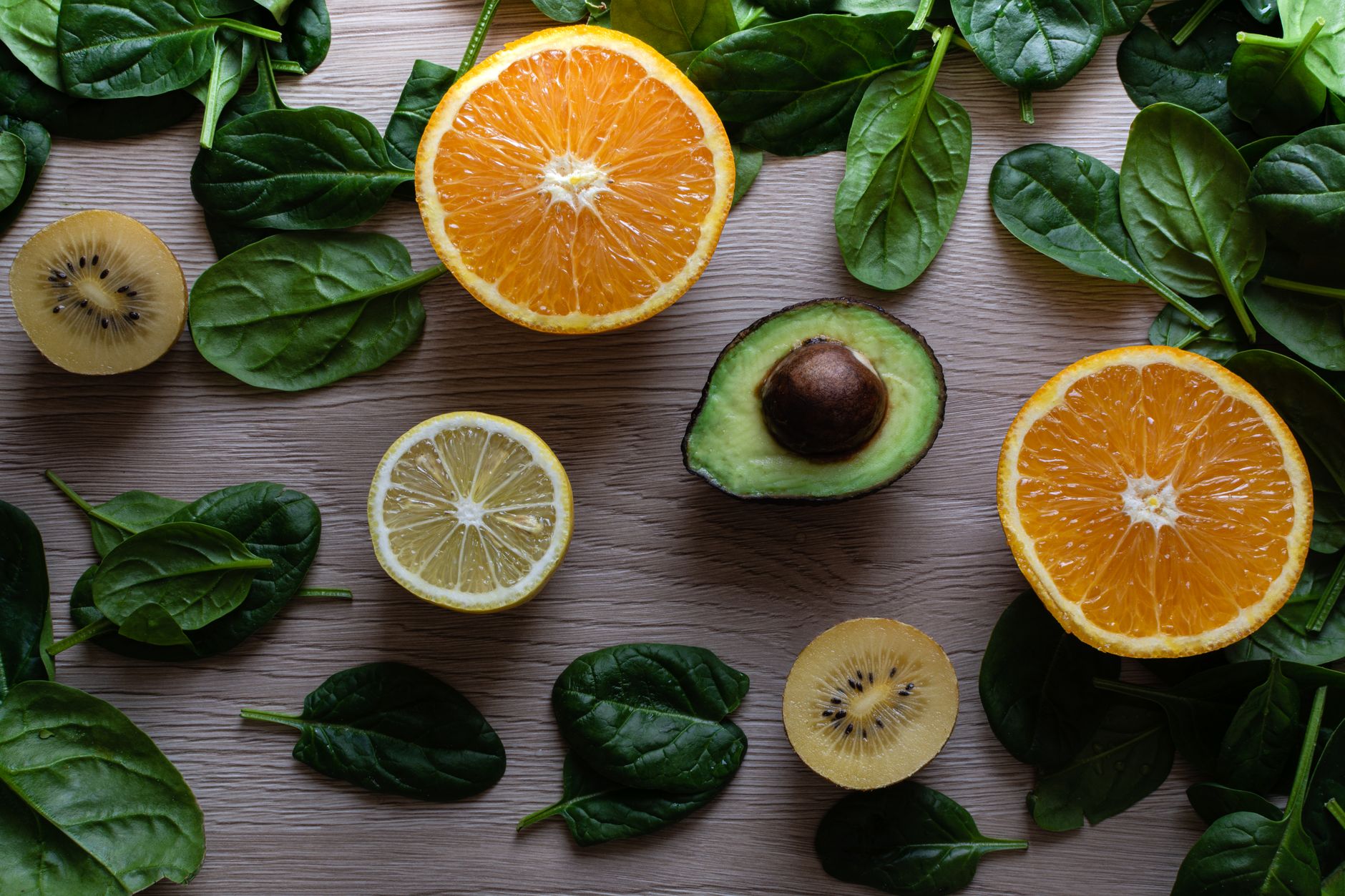
When it comes to managing carbohydrate intake, especially for those following low-carb diets, understanding which fruits are lower in carbohydrates is essential. Many people assume that all fruits are high in sugar and carbs, but that’s not the case. This guide aims to clarify which fruits can be included without exceeding your carbohydrate limits.
We’ll explore various low-carb fruits, their nutritional profiles, serving sizes, and how to incorporate them into your diet effectively. This information is ideal for anyone looking to maintain a balanced diet while keeping carbohydrates in check.
What Fruit Is Low in Carbs?
Low-carb fruits generally contain fewer than 10 grams of carbs per serving. Berries, melons, and stone fruits tend to be among the best choices due to their lower sugar content compared to other fruit categories, like tropical fruits or dried fruits.
Benefits of Low-Carb Fruits
Incorporating low-carb fruits into your diet provides several health benefits:
- Nutrient-Dense: These fruits are rich in vitamins, minerals, and antioxidants despite their lower carb content.
- Support Weight Management: They can satisfy sweet cravings without spiking blood sugar levels, making them ideal for weight loss programs.
- Hydration: Many of these fruits have high water content, contributing to overall hydration and healthy skin.
Top Low-Carb Fruits
Below is a list of some popular low-carb fruits, including their carbohydrate content per serving.
Berries
Berries are not only low in carbohydrates but also high in fiber and antioxidants.
- Strawberries: Approximately 11 grams of carbs per cup, or about 8 grams if sliced.
- Raspberries: Roughly 15 grams of carbs per cup, with around 8 grams of fiber, effectively reducing net carbs.
- Blackberries: About 14 grams of carbs per cup, also high in dietary fiber.
- Blueberries: Higher in carbs compared to other berries, with around 21 grams per cup. Consume in moderation.
Melons
Melons are hydrating and refreshing, making them a popular choice.
- Watermelon: Contains about 11 grams of carbs per cup but is extremely hydrating, perfect for summer.
- Cantaloupe: Approximately 13 grams of carbs per cup; rich in vitamins A and C.
- Honeydew: Contains about 16 grams of carbs per cup. Enjoy in moderation due to its higher sugar content.
Stone Fruits
Stone fruits are juicy and delicious, perfect for snacking or dessert.
- Peaches: About 14 grams of carbs per medium peach, they are sweet and satisfying.
- Plums: Contain roughly 7 grams of carbs per medium plum, they are a good snack option.
- Cherries: About 25 grams of carbs per cup; however, they can be enjoyed in smaller portions.
Citrus Fruits
Many citrus fruits are also low in carbs, providing a zesty flavor and significant vitamin C.
- Lemons: Roughly 5 grams of carbs per lemon; excellent for flavoring dishes or drinks.
- Limes: Contains about 7 grams of carbs per lime; a great addition to salads, sauces, or cocktails.
- Clementines: Around 8 grams of carbs each, though they’re best eaten in moderation due to their sweetness.
Avocados
Although often mistaken for a vegetable, avocados are technically a fruit and low in carbs.
- Avocados: Approximately 12 grams of carbs in a whole avocado, but with 10 grams of fiber, net carbs are only about 2 grams. They are rich in healthy fats and very versatile.
Tomatoes
Another fruit that many people consider a vegetable, tomatoes are low in carbs and can be enjoyed in various dishes.
- Tomatoes: Contain around 5 grams of carbs per medium-sized tomato. Use them in salads, salsas, or sauces for added flavor.
Portion Control and Serving Suggestions
When it comes to low-carb fruits, portion control is vital. Eating a larger quantity can inadvertently increase your carb intake. Here are some practical serving suggestions:
- Mix berries into your morning yogurt or oatmeal for a nutritional boost.
- Include fruit in salads; toppings like avocado and citrus can enhance both taste and nutrition.
- Use low-carb fruits as snacks or desserts. For instance, freeze grapes or blend up some berries for a smoothie.
- Experiment by adding low-carb fruits to savory dishes, such as warm spinach salads with peaches or citrus glazes on chicken.
Common Mistakes to Avoid
While incorporating low-carb fruits into your diet is beneficial, it’s essential to avoid certain common mistakes:
- Ignoring Portion Sizes: Even low-carb fruits should be consumed in moderation. Keep an eye on serving sizes.
- Relying on Dried Fruits: Dried fruits are often significantly higher in carbs compared to their fresh counterparts. Opt for fresh when possible.
- Overlooking the Glycemic Index: Some fruits may have a higher glycemic index, impacting blood sugar levels. Choose fruits with a lower glycemic index more often.
How to Incorporate Low-Carb Fruits into Your Diet
Incorporating low-carb fruits into your diet can be both enjoyable and seamless. Here are a few ideas:
- Start your day with a smoothie that includes spinach, avocado, and a handful of berries for a nutritious breakfast.
- Make fruit salads using a mix of berries or melons, and top with a drizzle of lime juice or a sprinkle of mint for added freshness.
- Experiment with sugar-free desserts such as berry compotes or avocado chocolate mousse using mashed avocado and cocoa powder.
- Create a fruit platter with a combination of low-carb fruits to serve as snacks or during gatherings.
Storage Tips for Low-Carb Fruits
Proper storage is key to maintaining freshness and flavor. Here are some tips for specific fruits:
- Berries: Store in the refrigerator in a breathable container. Wash just before eating to prevent spoilage.
- Melons: Whole melons can stay at room temperature until cut. Once cut, wrap tightly and refrigerate.
- Stone Fruits: Let ripen at room temperature. They can be refrigerated after ripening to extend shelf life.
- Avocados: Keep at room temperature until ripe, then refrigerate to slow down the ripening process.
Quick Reference for Low-Carb Fruits
| Fruit | Carbohydrates (per 1 cup) | Fiber (per 1 cup) |
|---|---|---|
| Strawberries | 11g | 3g |
| Raspberries | 15g | 8g |
| Cantaloupe | 13g | 1.4g |
| Peaches | 14g | 2g |
| Avocados | 12g | 10g |
Final Thoughts
Incorporating low-carb fruits into your meals can significantly enhance your diet while keeping carbohydrate content in check. A variety of fruits offers a range of flavors, textures, and essential nutrients. With careful portioning and a bit of creativity, you can enjoy these delicious fruits without derailing your dietary goals.
For more tips on storing fruits, check out how to freeze watermelon, or try your hand at making candied grapes for a flavorful and low-carb treat.