
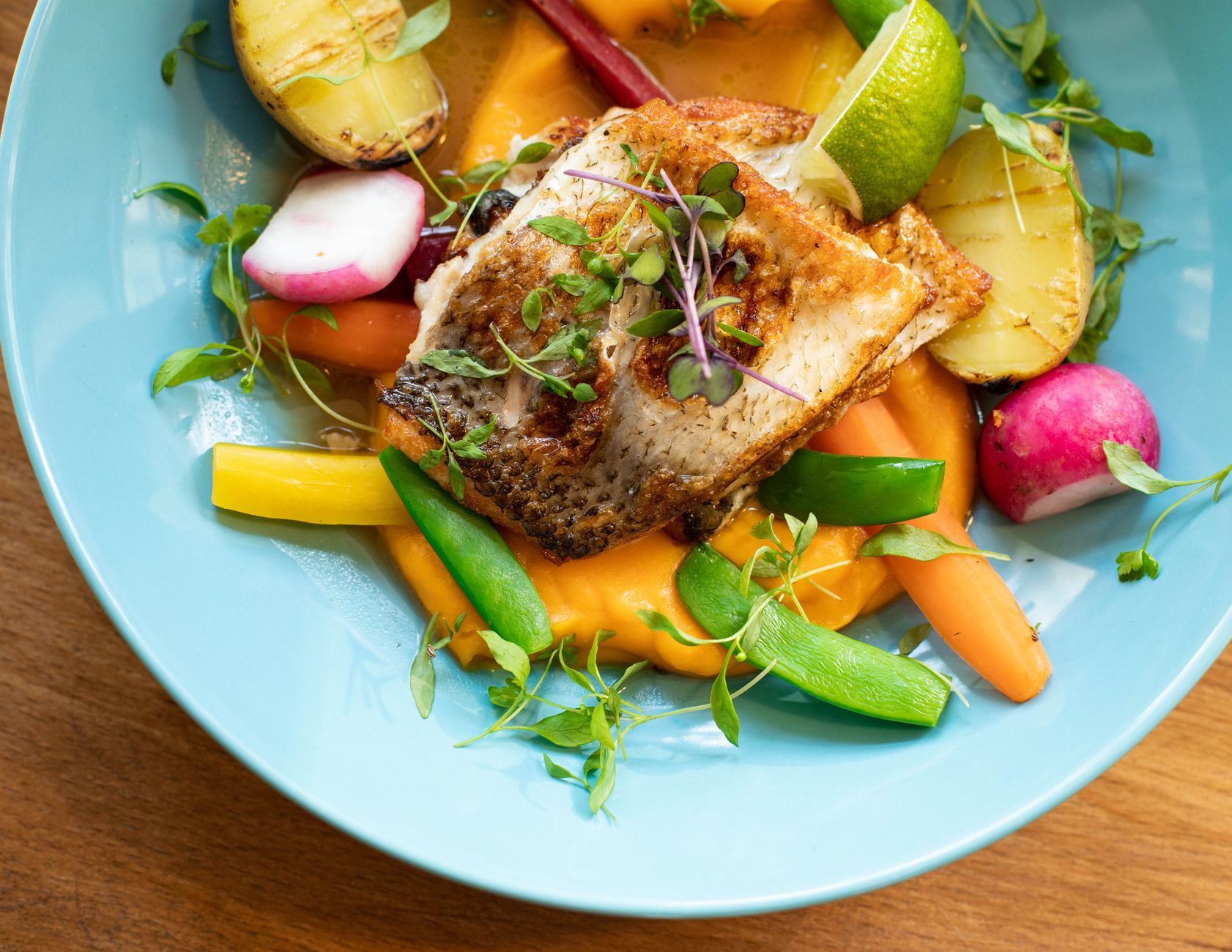
During pregnancy, maintaining a balanced and nutritious diet is crucial for both the mother and the developing baby. The food choices expectant mothers make can significantly influence their health and the well-being of their child. In this article, we’ll explore the essential foods to eat when pregnant, focusing on nutrient-rich options that support the body’s increased needs during this special time.
From fruits and vegetables to whole grains and proteins, understanding what to include in your diet can promote a healthy pregnancy. We will address various dietary considerations, including food safety and common nutritional concerns for expectant mothers, plus tips for meal planning and preparation.
What Foods To Eat When Pregnant?
When pregnant, you should prioritize whole, nutrient-dense foods rich in vitamins and minerals. Key food groups to include are fruits, vegetables, whole grains, proteins, and healthy fats. These foods collectively support fetal development, improve the mother’s energy levels, and help prevent common pregnancy complications.
Fruits and Vegetables
Fruits and vegetables are packed with essential vitamins, minerals, and fiber. They also contribute hydration to help combat the increased fluid needs during pregnancy. Ideally, aim for a colorful assortment of produce.
Fruits
- Berries: Strawberries, blueberries, and raspberries are rich in antioxidants, vitamin C, and fiber.
- Citrus Fruits: Oranges, lemons, and grapefruits provide vitamin C, which boosts the immune system.
- Bananas: Excellent sources of potassium, bananas help prevent leg cramps and maintain proper blood pressure.
- Apples: High in fiber and vitamin C, apples also provide hydration.
Vegetables
- Leafy Greens: Spinach, kale, and Swiss chard are packed with folate, iron, and calcium, all crucial for fetal development.
- Carrots: High in beta-carotene, carrots help support vision and immune function.
- Sweet Potatoes: A great source of vitamin A and fiber, sweet potatoes also help maintain energy levels.
- Broccoli: Rich in vitamin K, C, and fiber, broccoli also contributes essential folate.
Whole Grains
Whole grains are an important source of carbohydrates, which provide energy. They also deliver fiber, B vitamins, and iron. Incorporating whole grains can help prevent constipation, a common issue during pregnancy.
- Quinoa: A complete protein and gluten-free grain, quinoa contains all nine essential amino acids.
- Brown Rice: High in fiber and magnesium, brown rice can help stabilize blood sugar levels.
- Oats: Rich in fiber and iron, oats can promote satiety and help regulate cholesterol levels.
- Whole Wheat Bread: A source of B vitamins and complex carbohydrates, keeps energy levels steady.
Proteins
Protein is vital for the development of muscles and tissues in both the mother and fetus. During pregnancy, increasing your protein intake is important to support the growing baby.
- Lean Meats: Chicken, turkey, and lean cuts of beef provide essential amino acids, iron, and B vitamins.
- Fish: Salmon and sardines are excellent sources of omega-3 fatty acids, which are important for brain development. However, limit fish known to have high mercury levels.
- Legumes: Beans, lentils, and chickpeas offer protein, fiber, and iron, making them excellent vegetarian options.
- Dairy Products: Milk, yogurt, and cheese provide calcium, protein, and vitamin D, critical for bone health.
Healthy Fats
Healthy fats are essential for brain development and absorption of fat-soluble vitamins. Including the right types of fats can help meet the increased caloric needs of a pregnant woman.
- Avocados: High in healthy monounsaturated fats, avocados also offer potassium and folate.
- Nuts and Seeds: Almonds, walnuts, and chia seeds provide omega-3 fatty acids, protein, and fiber. Chia seeds also offer a great source of calcium.
- Olive Oil: A good source of healthy fats, using olive oil can enhance the absorption of vitamins.
- Fatty Fish: As mentioned earlier, salmon, sardines, and trout are not only high in protein but also healthy fats for brain development.
Hydration
Staying hydrated is crucial during pregnancy. The body’s blood volume increases by about 50%, so drinking plenty of fluids is essential. Water should be your primary source of hydration, but there are various options to ensure you maintain adequate fluid intake.
- Water: Aim to drink 8-10 cups of water per day.
- Herbal Teas: Consider non-caffeinated herbal teas like ginger or peppermint to help with nausea.
- Fruit-Infused Water: Adding slices of fruits like lemon, cucumber, or berries can make water more appealing.
- Soups and Broths: Hydrating and can be packed with additional nutrients.
Food Safety Considerations
During pregnancy, food safety is paramount to avoid harmful bacteria and potential foodborne illnesses that can affect both the mother and fetus. Here are some important food safety tips:
- Avoid Raw or Undercooked Proteins: This includes raw fish, meat, eggs, and sprouts, which can harbor harmful bacteria.
- Wash Fruits and Vegetables Thoroughly: Always wash produce to remove pesticides and reduce the risk of contamination.
- Choose Pasteurized Products: Ensure that dairy and juices are pasteurized to eliminate the risk of listeria or other pathogens.
- Limit High-Mercury Fish: Fish like shark, swordfish, and king mackerel should be avoided due to high mercury levels.
Common Nutritional Concerns
Certain nutrients are particularly important during pregnancy to prevent deficiencies that could lead to complications. Here’s a quick overview of these nutrients and how to incorporate them through foods:
Folate
Folate (vitamin B9) is essential for fetal growth and can help prevent neural tube defects. Foods high in folate include:
- Leafy greens
- Citrus fruits
- Legumes
- Fortified cereals
Iron
Iron is needed to support the increased blood volume and prevent anemia. Include these iron-rich foods:
- Lean meats
- Beans and lentils
- Tofu
- Fortified cereals
Calcium
Calcium supports the development of the baby’s bones and teeth. Excellent sources include:
- Dairy products
- Fortified plant-based milks
- Leafy greens
- Sardines
Omega-3 Fatty Acids
Important for brain development, omega-3s can be found in:
- Fatty fish
- Chia seeds
- Walnuts
- Flaxseeds
Meal Planning and Preparation
Effective meal planning can ensure that you’re consistently consuming a variety of nutrients. Here are some practical steps to help you get started:
- Set Weekly Goals: Plan your meals for the week ahead, focusing on including a variety of food groups at each meal.
- Batch Cooking: Prepare larger quantities of meals that can be refrigerated or frozen, such as soups, stews, or casseroles.
- Use a Grocery List: Make a shopping list based on your meal plan to avoid impulse buying and ensure you have all necessary ingredients on hand.
- Pre-Prep Ingredients: Chop vegetables, cook grains, or marinate proteins ahead of time to streamline meal preparation.
Common Mistakes to Avoid
During pregnancy, it’s important to be mindful of your dietary choices. Here are some common mistakes and how to avoid them:
- Skimping on Key Nutrients: Focus on including foods rich in folate, iron, calcium, and omega-3 fatty acids regularly.
- Ignoring Cravings: While indulging occasionally is fine, aim to satisfy cravings with healthier alternatives when possible.
- Skipping Meals: Eating small, frequent meals can help maintain energy levels and combat nausea.
- Not Staying Hydrated: Drink plenty of fluids throughout the day to prevent dehydration.
Conclusion
The right choices in food during pregnancy are essential for your health and the health of your baby. By focusing on a variety of nutrient-rich foods across all food groups, being mindful of food safety, and addressing common nutritional needs, you can promote a healthy pregnancy. Start planning your meals today and prioritize food options that nourish both you and your growing baby.
For additional insights on healthful ingredients, explore the benefits of chia seeds or try our chia pudding recipe with coconut milk for a nutritious snack.