
Maintaining lower calcium scores in the body significantly supports heart health and minimizes the risk of artery disease. Dietary choices play a crucial role in achieving this goal. Certain foods are known to contribute positively to lowering calcium scores through their anti-inflammatory properties, high antioxidant content, and ability to reduce cholesterol levels.
This article will explore some of the most effective foods that can help reduce calcium scores, complete with suggested serving sizes and practical advice for including them in your daily meals.
What Foods Reduce Calcium Score?
A variety of foods contribute to a reduced calcium score. These include fruits, vegetables, whole grains, nuts, seeds, and specific types of fish. Eating a balanced diet rich in antioxidants, fiber, and healthy fats can promote cardiovascular health and lower calcium scores.
Leafy Greens
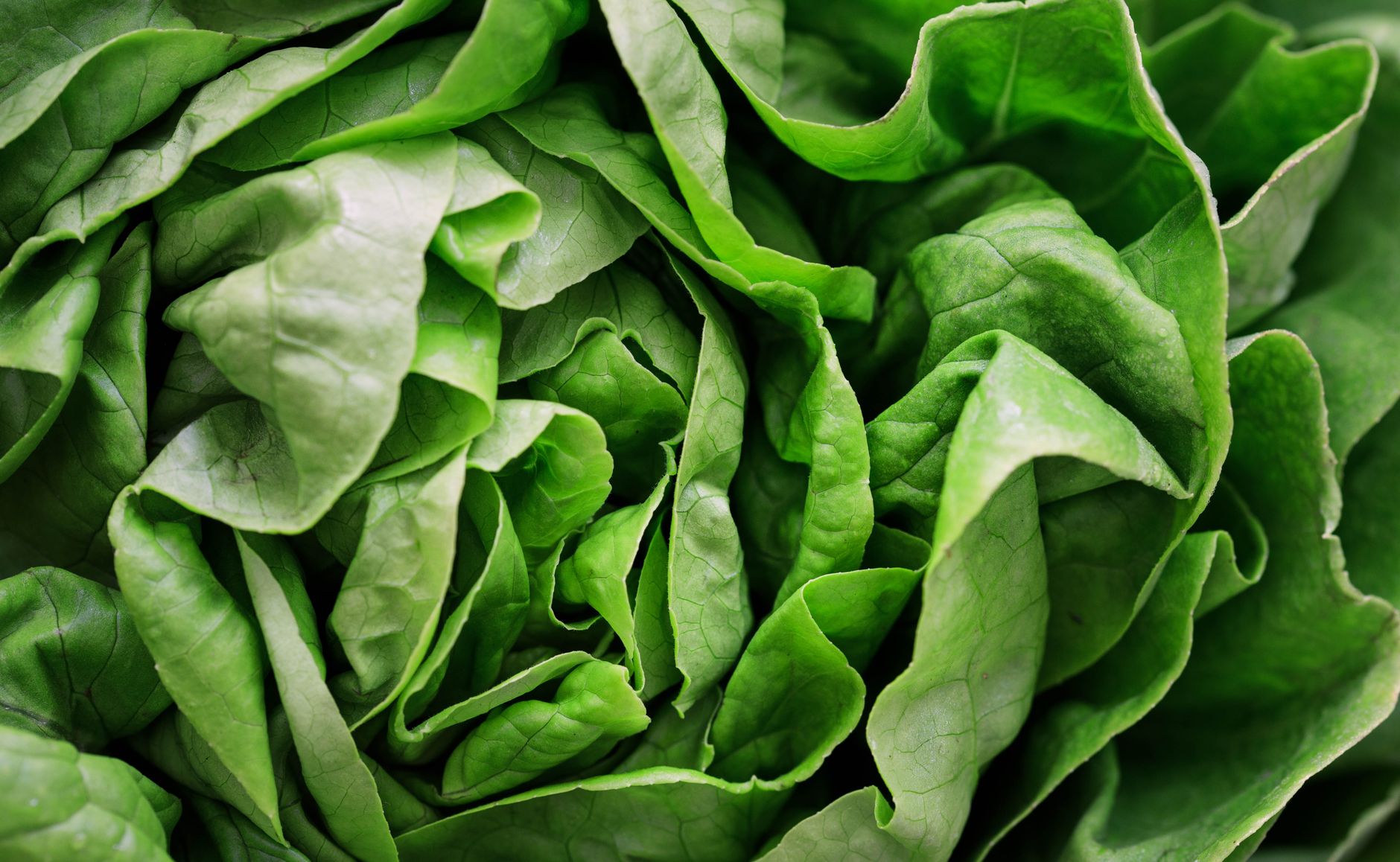
Leafy greens are nutrient-dense and low in calories, making them an excellent choice for heart health. They contain vitamins and minerals that help reduce inflammation and support overall cardiovascular health.
- Spinach: A cup of cooked spinach (180 grams) provides about 6 grams of dietary fiber and contains various vitamins. Its high magnesium content is beneficial for heart health.
- Kale: One cup of raw kale (67 grams) offers about 1.3 grams of dietary fiber. Kale is also high in antioxidants and vitamin K.
- Swiss Chard: One cup of cooked Swiss chard (175 grams) provides 4 grams of dietary fiber and is rich in vitamins A and C, which help combat oxidative stress.
Fruits Rich in Antioxidants
Fruits are packed with vitamins, minerals, and antioxidants that can help mitigate the risks associated with higher calcium scores. Including a diverse range of fruits is key to maximizing their health benefits.
- Berries (Blueberries, Strawberries, Raspberries): One cup of mixed berries (approximately 150 grams) contains about 14 grams of fiber and high levels of antioxidants, which protect against inflammation.
- Avocado: One medium avocado (150 grams) is high in monounsaturated fats, which can help lower LDL cholesterol and is also a source of fiber (about 10 grams).
- Apples: One medium apple (182 grams) provides about 4 grams of dietary fiber. Consuming the skin increases fiber intake, promoting a healthy gut.
Whole Grains
Whole grains are great for heart health due to their high fiber content. They can help reduce cholesterol levels and lower calcium scores effectively.
- Oats: One cup of cooked oats (240 grams) contains approximately 6 grams of dietary fiber. The beta-glucans in oats can significantly lower cholesterol levels.
- Quinoa: One cup of cooked quinoa (185 grams) provides about 5 grams of fiber and is a complete source of protein, essential for maintaining a balanced diet.
- Brown Rice: One cup of cooked brown rice (195 grams) contains about 3.5 grams of fiber. It is also a good source of magnesium, which is beneficial for heart health.
Nuts and Seeds
Nuts and seeds are sources of healthy fats and proteins that can help improve heart health and could contribute positively to reducing calcium scores.
- Almonds: One ounce of almonds (28 grams) has about 6 grams of protein and 3.5 grams of dietary fiber. They are rich in vitamin E, which has antioxidant properties.
- Walnuts: One ounce of walnuts (28 grams) provides about 2 grams of protein and contains beneficial omega-3 fatty acids, which are anti-inflammatory.
- Chia Seeds: Two tablespoons of chia seeds (28 grams) offer 10 grams of dietary fiber. They absorb water and expand in your stomach, promoting a feeling of fullness.
Fatty Fish
Fatty fish are rich in omega-3 fatty acids, which are well-known for their heart health benefits. They can help lower inflammation and cholesterol levels, potentially contributing to lower calcium scores.
- Salmon: A 3-ounce serving of wild-caught salmon (85 grams) has about 22 grams of protein and is an excellent source of omega-3s. The American Heart Association recommends consuming fatty fish at least twice a week.
- Mackerel: A 3-ounce serving of mackerel (85 grams) contains about 20 grams of protein and is also a rich source of omega-3 fatty acids.
- Sardines: A 3.75-ounce serving (106 grams) of canned sardines provides 23 grams of protein and is an economical fish choice high in omega-3s and calcium.
Legumes
Legumes are excellent sources of protein and fiber that can assist in reducing calcium scores by providing nutrient density without unhealthy fats.
- Lentils: One cup of cooked lentils (198 grams) offers about 15.6 grams of protein and 15.6 grams of dietary fiber.
- Chickpeas: One cup of cooked chickpeas (164 grams) contains about 14.5 grams of protein and 12.5 grams of dietary fiber.
- Black Beans: One cup of cooked black beans (172 grams) provides 15 grams of protein and 15 grams of dietary fiber.
Herbs and Spices
Herbs and spices not only enhance flavor but also provide various health benefits, including potential anti-inflammatory effects that may help in reducing calcium scores.
- Garlic: One clove of garlic (3 grams) can help lower blood pressure and improve overall heart health.
- Turmeric: One tablespoon of turmeric (7 grams) has strong anti-inflammatory properties due to its active compound, curcumin.
- Ginger: A one-inch piece of ginger root (about 2 grams) can help reduce inflammation and has been linked to improved heart health.
Healthy Fats
Incorporating healthy fats into your diet while avoiding trans fats and saturated fats can improve cardiovascular health and reduce calcium scores.
- Olive Oil: One tablespoon (15 ml) of olive oil contains healthy fats that can help reduce cholesterol levels. Opt for extra virgin olive oil for maximum health benefits.
- Coconut Oil: Consume in moderation due to its saturated fat content. One tablespoon (15 ml) can add flavor to dishes while providing medium-chain triglycerides.
- Flaxseed Oil: One tablespoon (15 ml) is an excellent source of omega-3 fatty acids. Add it to smoothies or dressings for heart health benefits.
Beverages
Choosing beverages that promote heart health can significantly contribute to reducing calcium scores and improving overall well-being.
- Green Tea: One cup (240 ml) of brewed green tea contains high levels of antioxidants. Consuming 2-3 cups daily can support heart health.
- Beet Juice: One cup (240 ml) of beet juice benefits cardiovascular health due to its high nitrate content, which can help lower blood pressure.
- Fresh Vegetable Juice: One cup (240 ml) can be made from assorted vegetables like carrots, celery, and beets, full of nutrients and lower in calories than fruit juices.
Practical Tips for Incorporating These Foods
Integrating foods that help reduce calcium scores into your diet doesn’t have to be complicated. Here are some practical tips:
- **Meal Planning:** When planning your meals, aim to include a variety of the mentioned foods each week. This encourages balanced nutrition and helps promote heart health.
- **Cooking Techniques:** Employ healthy cooking methods like steaming, grilling, and baking rather than frying to preserve nutrients while reducing unhealthy fats.
- **Snacking Wisely:** Choose nuts, seeds, or fruit as snacks instead of processed snacks high in added sugars and unhealthy fats.
- **Experiment with Herbs and Spices:** Use herbs and spices generously in cooking to enhance flavors without adding salt or unhealthy fats.
- **Read Labels:** When purchasing packaged foods, look for lower sodium options and avoid added sugars to maintain a heart-healthy diet.
Conclusion
Lowering calcium scores begins with the commitment to healthy dietary choices. By incorporating a variety of fruits, vegetables, whole grains, legumes, and healthy fats into your meals, you can actively support cardiovascular health.
Start by integrating some of these foods into your daily meals, and consider planning your week ahead to ensure balanced nutrition. For nutritious meal ideas, check out articles on the benefits of chia seeds or try a delicious chia pudding recipe with coconut milk for a healthy dessert option.