
Breastfeeding is a beautiful yet challenging journey, and many new mothers often seek ways to increase their milk supply. While various factors contribute to milk production, certain foods are known to help support and enhance lactation. Understanding these foods can empower nursing mothers to make choices that promote a healthy milk supply.
This article explores various foods that may help produce breast milk, along with their nutritional benefits and how to incorporate them into your diet. Let’s dive into the world of nutrition for lactation.
What Foods Help Produce Breast Milk?
Foods that help produce breast milk are often referred to as galactagogues. These foods can vary significantly in their effectiveness, but some common options include oats, fennel, nuts, seeds, leafy greens, and many others. Consumption of these foods, combined with hydration and overall healthy eating, can have positive effects on milk supply.
Key Foods for Lactation
Here is a list of popular foods that may help boost breast milk production:
- Oats: Rich in iron, fiber, and complex carbohydrates, oats are believed to promote milk production.
- Fennel: This herb contains phytoestrogens, which may help stimulate milk flow and improve lactation.
- Nuts and Seeds: Almonds and flaxseeds, for example, are high in healthy fats and proteins.
- Leafy Greens: Spinach, kale, and moringa are packed with nutrients that support overall health and lactation.
- Garlic: Known for its distinct flavor and health benefits, garlic is reputed to help increase milk supply.
- Brewer’s Yeast: This is a rich source of B vitamins and can be mixed into smoothies or baked goods.
- Legumes: Beans and lentils provide protein and iron, essential in a lactating mother’s diet.
- Whole Grains: Brown rice and quinoa can contribute to sustained energy levels and overall health.
- Carrots: Not only nutritious, but they are also believed to enhance lactation when eaten regularly.
- Water: While not a food, maintaining proper hydration is crucial for milk production.
Nutritional Benefits of Galactagogues
Incorporating foods that may support lactation is important for new mothers. Each of these foods offers unique vitamins, minerals, and other nutrients:
Oats
Oats are rich in soluble fibers and beta-glucans, promoting a healthy digestive system while also providing energy. The presence of iron in oats may help counteract potential deficiencies that can affect milk production.
Fennel
This aromatic herb is traditionally used to support digestion. Fennel seeds can be consumed in tea form or added to dishes for a slight anise flavor, enhancing both milk production and digestion.
Nuts and Seeds
Nuts like almonds are excellent sources of healthy fatty acids, which support milk fat content. Flaxseeds and chia seeds are rich in omega-3 fatty acids, which are important for the baby’s brain development.
Leafy Greens
Dark leafy greens are packed with vitamins and minerals like calcium, iron, and folate. Moringa leaves, in particular, are considered a top choice for increasing milk supply.
Garlic
Garlic is not only a flavor enhancer but also believed to have properties that may boost lactation. It can be added to various dishes to elevate their flavor while providing potential benefits.
Brewer’s Yeast
This ingredient can be easily incorporated into baked goods and smoothies, providing a variety of B vitamins essential for energy metabolism, which can also support breastfeeding mothers.
Legumes
Beans, lentils, and peas are excellent sources of protein and fiber, helping nursing mothers feel full and satisfied. They also provide nutrients like iron and folate, which are necessary for overall health.
Whole Grains
Whole grains improve energy levels and create a steady release of carbohydrates for sustained energy, making them an essential part of a nursing mother’s diet.
Carrots
Carrots are rich in beta-carotene, which is crucial for cell health. They can be consumed raw, cooked, or juiced, adding versatility to the diet.
Water
Hydration is critical for milk production, as dehydration can lead to reduced milk supply. Always aim to drink ample water throughout the day.
Incorporating Lactation-Boosting Foods into Your Diet
Now that you know the foods that may support lactation, let’s explore how to incorporate them into your meals and snacks effectively.
Breakfast Ideas
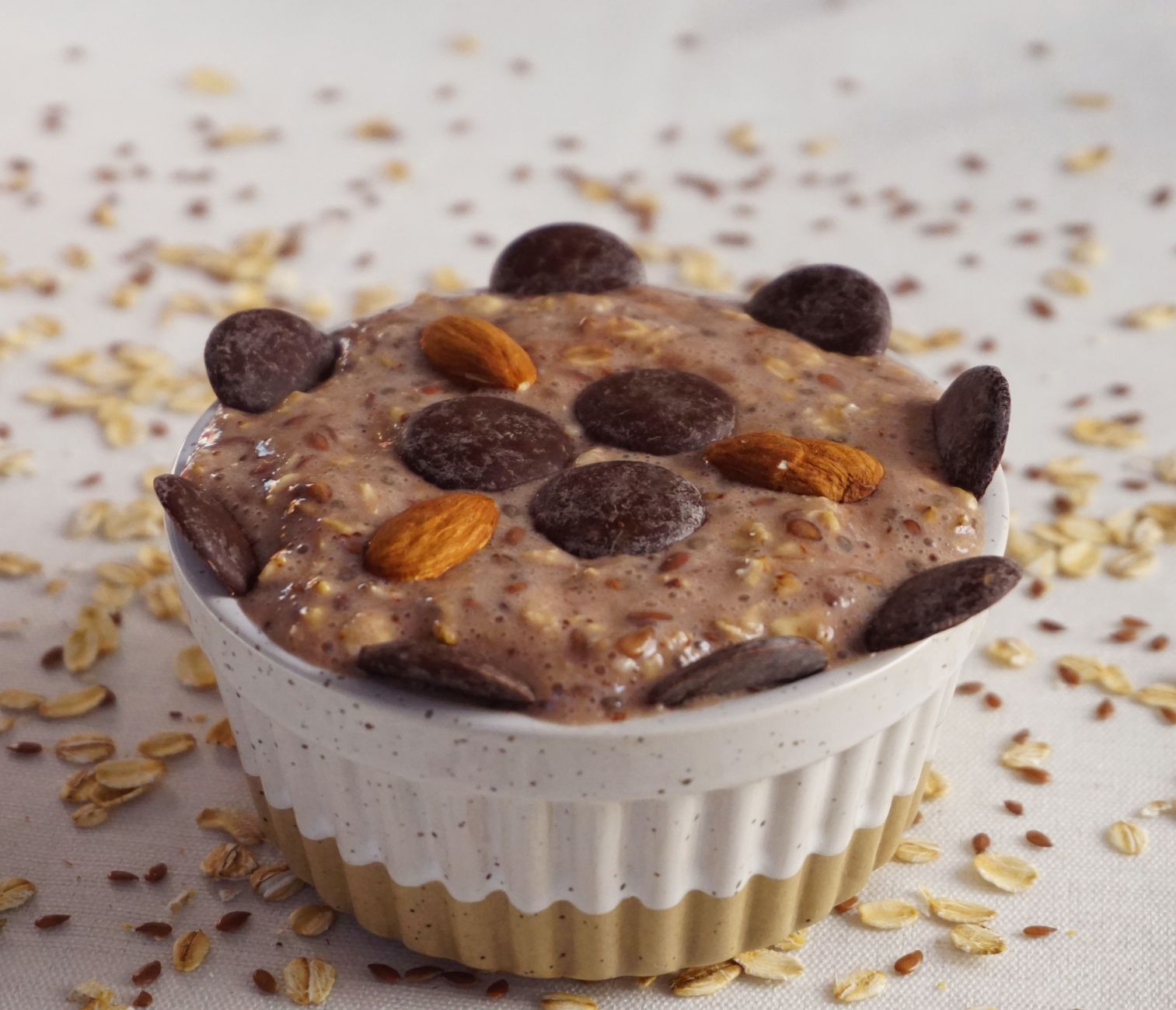
- Overnight Oats: Combine oats with milk (or a milk substitute), chia seeds, and fruits to create a nutritious breakfast.
- Green Smoothie: Blend spinach, banana, oats, and almond milk for a quick and easy breakfast option.
- Almond Butter Toast: Whole grain toast topped with almond butter and banana slices is a satisfying option.
Lunch and Dinner Options
- Quinoa Salad: Mix quinoa with colorful vegetables, nuts, and a lemon vinaigrette for a refreshing meal.
- Stir-Fried Greens: Sauté kale or spinach with garlic and olive oil for a nutrient-packed side dish.
- Lentil Soup: Prepare a hearty lentil soup rich in flavor and nutrients using carrots, onions, and spices.
Snacks and Treats
- Nuts and Dried Fruit Mix: Combine almonds and dried fruits for a quick pick-me-up.
- Flaxseed Energy Balls: Make energy balls using oats, peanut butter, honey, and flaxseeds to snack on during the day.
- Carrot and Hummus: Enjoy fresh carrot sticks with protein-rich hummus for a healthy nibble.
Hydration Hacks
- Infused Water: Add fruits like lemon, berries, or cucumber to your water for enhanced flavor.
- Herbal Teas: Drink teas made from fenugreek or milk thistle to potentially support lactation.
Common Mistakes to Avoid
While seeking to increase milk supply, it’s essential to avoid common pitfalls:
- Relying Solely on Foods: Simply consuming lactation-boosting foods may not suffice. Frequent nursing or pumping is vital for increasing supply.
- Neglecting Hydration: Water intake is crucial. Dehydration can counteract efforts to increase milk production.
- Overrestricting Diet: Eliminating certain food groups can lead to nutrient deficiencies. Focus on a balanced diet instead.
Meal Planning for Lactation
Budget-conscious mothers can plan meals and snacks that incorporate lactation-supportive foods effectively. Here are some meal planning strategies:
Batch Cooking
Prepare larger quantities of meals that freeze well, such as soups and granola bars. This approach allows for quick reheating and ensures that nutritious food is always available.
Grocery List Essentials
- Oats
- Nuts (almonds, walnuts)
- Seeds (chia, flax)
- Leafy Greens (spinach, kale)
- Fennel
- Whole grains (quinoa, brown rice)
- Legumes (beans, lentils)
- Fresh fruits and vegetables
- Herbal teas
Experimenting with Recipes
Don’t hesitate to try new combinations of the above foods. Trying recipes such as energy bars, fortified smoothies, or salads can keep meals exciting and nutritious.
Cultural Foods That Support Lactation
Many cultures have their own traditional foods believed to enhance breast milk production. Here are a few examples:
- Turmeric Milk: Popular in India, turmeric mixed with warm milk is thought to help with lactation.
- Fenugreek Recipes: Various Middle Eastern and Indian dishes use fenugreek seeds as a key ingredient to promote breast milk supply.
- Rice Congee: In Asian cultures, rice porridge made with chicken or vegetable broth is commonly served to new mothers for its nourishment.
Conclusion
Promoting milk production through diet is a multifaceted approach that includes not only incorporating lactation-boosting foods but also ensuring overall nutrition and hydration. Each new mother may find different foods work best for her, making it important to listen to one’s body and preferences. Experiment with adding these nutrient-rich options to your daily meals.
For some delicious ways to incorporate these foods, you might like to explore our Chia Pudding Recipe or try our Cottage Cheese Mousse Recipe. Each recipe can provide additional nutrients supportive of your breastfeeding journey.