
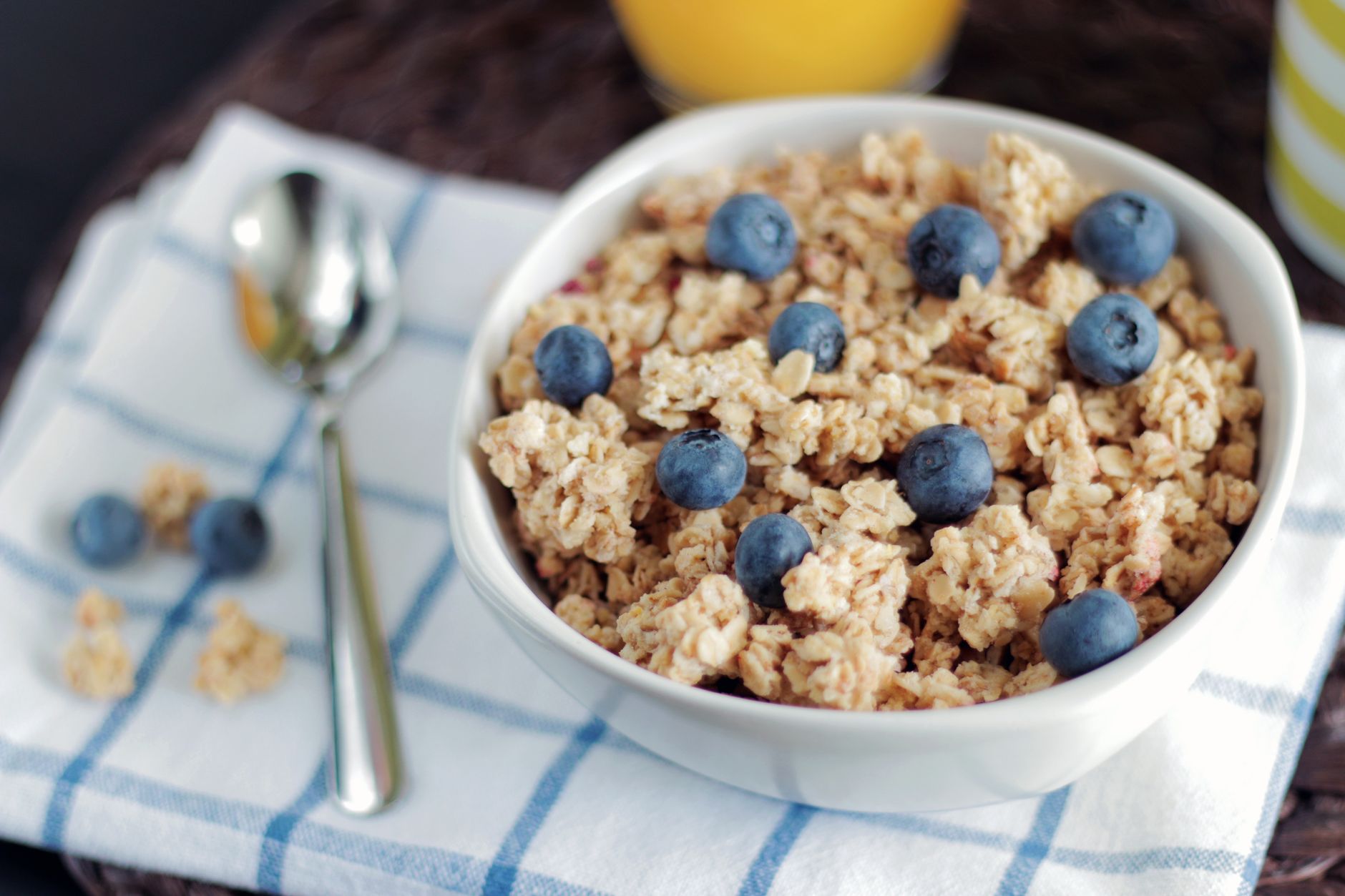
Fiber is an essential part of a healthy diet, aiding in digestion, regulating blood sugar levels, and promoting heart health. Increasing fiber intake can also help maintain a healthy weight, as foods high in fiber tend to be more filling. This comprehensive guide will explore various foods that offer a high fiber content, their benefits, and practical ways to incorporate them into your meals.
Understanding fiber is vital to making informed dietary choices. There are two types of dietary fiber: soluble and insoluble. Soluble fiber dissolves in water and can help lower cholesterol and glucose levels. Insoluble fiber does not dissolve in water and adds bulk to the stool, aiding in digestion. Both types are crucial for optimal health.
What Foods Have The Most Fiber?
The foods that are highest in fiber include whole grains, fruits, vegetables, legumes, nuts, and seeds. Incorporating a variety of these foods into your diet can help you meet your fiber needs, which is around 25 grams for women and 38 grams for men per day. Below, we will delve into specific foods in each category that are particularly rich in fiber.
Whole Grains
Whole grains are an excellent source of both soluble and insoluble fiber. They contain the entire grain kernel, which includes the bran, germ, and endosperm. Here are some of the whole grains that pack the most fiber:
- Barley: Approximately 6 grams of fiber per cooked cup. Great for soups and salads.
- Oats: About 4 grams of fiber per cooked cup. A perfect choice for oatmeal or baking.
- Quinoa: Around 5 grams of fiber per cooked cup. Excellent as a side dish or salad base.
- Brown Rice: Provides about 3.5 grams of fiber per cooked cup. A nutritious alternative to white rice.
- Bulgur: Contains around 8 grams of fiber per cooked cup. Often used in tabbouleh or as a side dish.
Benefits of Whole Grains
Whole grains have numerous health benefits, including lowering the risk of heart disease, improving digestive health, and aiding weight management. They can also help to reduce inflammation and promote overall health.
Fruits High in Fiber
Fruits provide a natural source of fiber, vitamins, and antioxidants. Here are some fruits that are particularly high in fiber:
- Raspberries: About 8 grams of fiber per cup. Delicious in smoothies, salads, or on their own.
- Pears: Contain around 5.5 grams of fiber per medium-sized fruit. Great for snacking or in desserts.
- Apples: Provide about 4 grams of fiber per medium fruit. Excellent in salads or baked goods.
- Bananas: Approximately 3 grams of fiber in a medium banana. Ideal for breakfast or as a quick snack.
- Avocados: About 10 grams of fiber per medium avocado. Perfect for salads, spreads, or smoothies.
How to Enjoy High-Fiber Fruits
To maximize fiber intake, eat fruits with their skins when possible. Enjoy them fresh, add them to smoothies, or incorporate them into savory dishes.
Vegetables Loaded with Fiber
Vegetables are another key source of dietary fiber. They also provide numerous vitamins and minerals. Here are fiber-rich vegetables:
- Artichokes: About 10 grams of fiber per medium artichoke. Excellent as an appetizer or added to salads.
- Broccoli: Contains around 5 grams of fiber per cooked cup. Great steamed, roasted, or in stir-fries.
- Brussels Sprouts: Provide 4 grams of fiber per cooked cup. Tasty roasted or sautéed with herbs.
- Carrots: About 4 grams of fiber per cup when raw. Excellent for snacking or in salads.
- Sweet Potatoes: About 4 grams of fiber per medium potato. Delicious baked, mashed, or in fries.
Incorporating Vegetables into Meals
Incorporate high-fiber vegetables into your meals by adding them to salads, roasting them as side dishes, or blending them into smoothies. A vegetable-rich diet can enhance weight management and improve overall health.
Legumes: The Fiber Powerhouses
Legumes are among the richest sources of dietary fiber. They include beans, lentils, and peas. Here are some high-fiber legumes:
- Lentils: Approximately 15 grams of fiber per cooked cup. Ideal for soups, salads, and side dishes.
- Black Beans: About 15 grams of fiber per cooked cup. Perfect for tacos, burritos, or salads.
- Chickpeas: Provide around 12 grams of fiber per cooked cup. Great for hummus or added to salads.
- Kidney Beans: Roughly 13 grams of fiber per cooked cup. Excellent in chili or bean salads.
- Split Peas: Approximately 16 grams of fiber per cooked cup. A wholesome choice for soups.
Benefits of Including Legumes
In addition to their fiber content, legumes are high in protein, making them an excellent choice for vegetarians or anyone looking to reduce meat consumption. They can help stabilize blood sugar levels and improve heart health.
Nuts and Seeds
Nuts and seeds are also excellent sources of fiber and essential fatty acids. Consider incorporating these fiber-rich options:
- Chia Seeds: About 10 grams of fiber per ounce. Ideal for smoothies, puddings, or topping yogurt.
- Flaxseeds: Approximately 8 grams of fiber per ounce. Best enjoyed ground in baked goods or smoothies.
- Almonds: Contain about 4 grams of fiber per ounce. Great as a snack or in granola.
- Pistachios: Provide around 3 grams of fiber per ounce. Tasty as a snack or added to salads.
- Walnuts: About 2 grams of fiber per ounce. Excellent for snacking or adding to oatmeal.
Storing Nuts and Seeds
To maintain freshness, store nuts and seeds in an airtight container in a cool, dark place. Refrigeration can help extend their shelf life.
How to Increase Fiber Intake
Increasing your fiber intake can be a manageable process. Here are some practical tips for doing so:
- Start Slowly: Gradually increase fiber-rich foods in your diet to prevent gastrointestinal discomfort.
- Read Labels: Check food labels for fiber content, aiming for foods with at least 3 grams of fiber per serving.
- Mix and Match: Combine different high-fiber foods to create balanced meals and snacks.
- Snack Wisely: Opt for high-fiber snacks like fruits, nuts, or whole grain-based snacks.
- Stay Hydrated: Drink plenty of water as you increase fiber to help with digestion.
Common Mistakes to Avoid
When increasing fiber in your diet, avoid making sudden drastic changes to prevent discomfort. A gradual increase will help your digestive system adjust. Additionally, ensure that you are balancing fiber intake with hydration, as fiber needs water to function properly.
Sample Meal Plan High in Fiber
Here’s a practical one-day meal plan designed to maximize fiber intake:
- Breakfast: Oatmeal topped with sliced bananas and almonds (about 10 grams of fiber).
- Snack: An apple with almond butter (approximately 5 grams of fiber).
- Lunch: Quinoa salad with mixed vegetables, chickpeas, and a lemon vinaigrette (about 12 grams of fiber).
- Snack: Carrot sticks with hummus (around 5 grams of fiber).
- Dinner: Grilled broccoli and roasted sweet potatoes with lentils (approximately 18 grams of fiber).
This meal plan totals around 50 grams of fiber, easily surpassing the daily recommended intake and showcasing the variety in fiber-rich foods.
Conclusion
Fiber is a vital component of a balanced diet, promoting digestive health and overall well-being. Foods high in fiber, including whole grains, fruits, vegetables, legumes, nuts, and seeds, can be easily incorporated into daily meals. By making a conscious effort to include these foods, you can enjoy the culinary delights while reaping the health benefits of a fiber-rich diet.
For further exploration, consider learning about the fiber content in bananas at this link, or discover whether kale has fiber in this article. Each article offers valuable insights for enhancing your fiber-rich diet.