
Soy is a versatile ingredient found in numerous foods, making it a staple in various cuisines worldwide. Its protein-rich profile and inherent flavors provide many culinary possibilities. Understanding what foods contain soy can help consumers make informed dietary choices and explore exciting cooking options.
This guide delves into the various food products containing soy, their culinary applications, and some serving ideas. Whether you’re a soy aficionado, have dietary concerns, or just want to broaden your gastronomical horizon, you’ll find valuable insights here.
What Foods Have Soy?
Many foods contain soy in various forms, including soybeans, soy milk, tofu, tempeh, soy sauce, and edamame. Additionally, soy is often present in processed foods, snacks, and sauces. Understanding the diverse applications of soy can enhance your cooking and meal planning.
Types of Soy Products
Soy comes in numerous forms, each with unique flavors and textures suitable for different culinary uses. Here are some of the most common soy-based foods:
- Soybeans: Whole roasted or boiled soybeans, often consumed as snacks or used in dishes.
- Edamame: Young green soybeans, typically steamed and salted; served as appetizers or snacks.
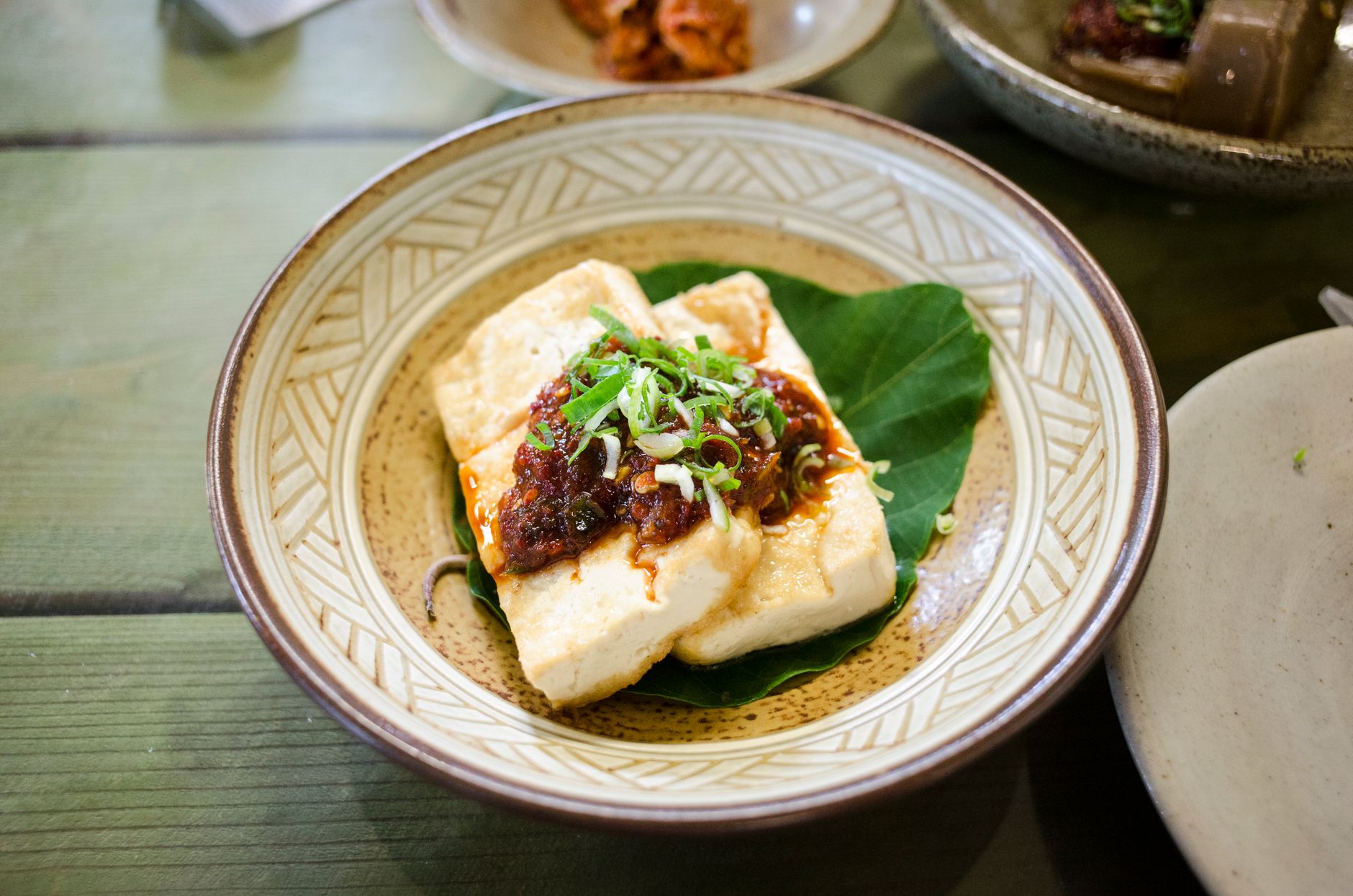
- Tofu: A versatile soy product made from coagulated soy milk, used in everything from stir-fries to desserts.
- Tempeh: Fermented soy product, denser than tofu, with a nutty flavor; often used in vegetarian dishes.
- Soy Milk: A plant-based milk alternative made from soaked and ground soybeans; popular for lactose-free diets.
- Soy Sauce: A fermented liquid condiment derived from soybeans, used in various Asian cuisines.
- Miso: A fermented paste made from soybeans, used in soups, marinades, and dressings.
- Textured Vegetable Protein (TVP): Dried soy product used as a meat substitute in chili, tacos, and more.
- Soy Protein Isolate: A highly refined form of soy protein found in protein powders and bars.
Common Foods with Soy Ingredients
A wide range of foods contains soy or soy-derived products, often in processed forms. Here are some categories and items to consider:
Condiments
Soy is a common ingredient in many condiments, enhancing flavor and providing depth. Some popular condiments include:
- Soy sauce
- Teriyaki sauce
- Barbecue sauce
- Salad dressings (make sure to check labels)
Snacks
Many snacks incorporate soy for protein and flavor. Popular snacks include:
- Soy crisps
- Roasted soybeans
- Snack bars containing soy protein or soy flour
- Vegetable chips made with soy sauce
Dairy Alternatives
For those avoiding dairy, soy provides a great substitute in various products:
- Soy milk
- Soy yogurt
- Cheese alternatives made from soy protein
Meat Alternatives
Soy is a staple in vegetarian and vegan diets as a source of protein. Common items include:
- Tofu: Available in various types (silken, firm, extra-firm) for different cooking applications.
- Tempeh: High in protein and fiber, ideal in stir-fries or grilled dishes.
- TVP: Used in recipes requiring meat-like textures, such as chili or burritos.
Baked Goods
Some baked products may include soy as a protein enhancer or moisture retainer:
- Bread
- Muffins
- Pancakes
Health Benefits of Soy
Soy is a nutrient-dense food with various potential health benefits, although it’s essential to consult reliable health sources for personalized advice. Some recognized benefits include:
- High Protein Content: Soy is an excellent source of plant-based protein, making it popular among vegetarians and vegans.
- Heart Health: Some studies suggest that soy consumption may reduce cholesterol levels and improve heart health.
- Bone Health: The calcium and vitamin D found in certain soy products (like soy milk) support bone density.
Cooking with Soy
When cooking with soy products, understanding their flavor and texture can enhance your dishes. Here are some practical cooking tips:
Sautéing and Stir-Frying
Tofu and tempeh are great in stir-fry dishes. They soak up flavors well, so marinating them can significantly enhance their taste.
Baking with Soy
When using soy flour in baking, replace up to 30% of the all-purpose flour in the recipe for added protein without drastically affecting texture.
Using Edamame
Edamame can be a tasty snack on its own, simply steamed and salted or tossed in salads and grain bowls for additional protein.
Storage and Longevity of Soy Products
Properly storing soy products ensures they maintain freshness and flavor:
- Tofu and Tempeh: Keep refrigerated and consume within a week of opening. Firm and extra-firm tofu can be frozen for longer storage, though its texture may change.
- Soy Sauce: Store in a cool, dark place, and after opening, refrigerate to maintain flavor.
- Soy Milk: Unopened soy milk can be stored in the pantry; once opened, refrigerate and consume within 7-10 days.
Allergies and Dietary Considerations
Despite its nutritional benefits, soy is a common allergen. It’s crucial for individuals with soy allergies to read labels carefully, as soy can be hidden in many processed foods. Additionally, some people prefer to limit soy intake due to genetic modification or estrogen-like effects reported in some studies.
Practical Serving Ideas with Soy
Integrating soy into your meals can be both simple and delicious. Here are some serving ideas:
Breakfast
- Add silken tofu into smoothies for extra creaminess and protein.
- Make a breakfast scramble with crumbled tofu, spinach, onions, and spices.
Lunch
- Top a salad with edamame and sesame dressing for added texture and nutrition.
- Create a sandwich using marinated tofu — lightly sautéed and served on whole grain bread.
Dinner
- Incorporate tempeh in stir-fries or curries, providing a hearty and filling element.
- Substitute regular ground meat with TVP in tacos or chili for a satisfying plant-based dish.
Desserts
- Use soy yogurt in parfaits for a creamy treat.
- Experiment with tofu in dessert recipes, such as chocolate mousse or cheesecakes, for a healthier twist.
Exploring Regional Cuisines with Soy
Soy is a vital component of various regional cuisines, particularly in Asian cooking. Here are a few examples:
Japanese Cuisine
In Japan, soy beans are used extensively in various forms, such as miso soup, edamame, tofu, and soy sauce, contributing to the umami flavor profile of the dishes.
Chinese Cuisine
Soy sauce is a fundamental component in Chinese cooking, used for stir-frying, marinades, and dipping sauces. Tofu and soy products like bean curd are also common.
Indian Cuisine
While not as prevalent, soy can be found in some Indian dishes, often in the form of soy nuggets or incorporated into vegetarian recipes for added protein.
Substituting Soy in Recipes
If you need to avoid soy for health or dietary reasons, there are several alternatives you can consider:
- Tofu: Use chickpeas or cauliflower in recipes that call for tofu; they provide similar textures but different flavors.
- Soy Sauce: Replace with coconut aminos or tamari for a gluten-free option.
- Edamame: Substitute with green peas or fava beans, which offer a similar texture.
Conclusion
Understanding what foods contain soy and how to use them in your cooking can greatly expand your culinary repertoire. With its versatility, nutritional benefits, and global presence, soy products are a valuable addition to any diet. Explore the range of soy options, consider incorporating them into your meals, and enjoy the flavors they bring to your dishes.
For more detailed insights on the cooking aspects of soy products, check out our article on how soy sauce is made, or dive into the health benefits of edamame at is edamame healthy?.