
Nitric oxide is a vital molecule that plays several roles in promoting overall health, particularly in increasing blood circulation and supporting cardiovascular health. Although our bodies produce nitric oxide naturally, certain foods can help enhance its production. Understanding what foods contain or support the production of nitric oxide is essential for anyone looking to harness its benefits.
This article will explore various foods rich in nitrates and other compounds that contribute to nitric oxide production, along with practical tips on how to incorporate these foods into your meals. From fruits and vegetables to nuts and seeds, discover how you can enhance your diet and boost your nitric oxide levels.
What Foods Have Nitric Oxide?
Foods rich in nitrates or those that improve nitric oxide production include leafy greens, beets, citrus fruits, nuts, and certain meats. These foods can enhance blood flow and cardiovascular health, making them excellent additions to your diet.
Understanding Nitric Oxide and Nitrates
Nitric oxide (NO) is a gas that our body produces. It’s crucial for various physiological functions, particularly vasodilation, which helps relax and widen blood vessels, improving blood flow. Foods rich in dietary nitrates, which convert to nitric oxide in the body, play a significant role in the production of this molecule. Nitrate-rich foods can contribute to better exercise performance, lower blood pressure, and overall improved cardiovascular health.
The Role of Nitrates
Nitrates are naturally occurring compounds found in various plants. When consumed, nitrates convert to nitrites in the body, which are then converted to nitric oxide. This process highlights the importance of including nitrate-rich foods in your diet. Notably, the nitrates found in vegetables are generally considered safe and beneficial, unlike the nitrates stemming from processed meats, which may have negative health implications.
Key Foods That Promote Nitric Oxide Production
Leafy Greens
Leafy greens are among the best sources of nitrates. Foods like spinach, kale, arugula, and Swiss chard are all excellent choices. These greens not only boost nitric oxide levels but are also low in calories and high in essential vitamins and minerals.
- Spinach: One of the highest sources of nitrates and packed with vitamins A, C, and K.
- Kale: An excellent source of antioxidants and anti-inflammatory properties.
- Arugula: Has a peppery flavor that enhances salads and dishes while providing high nitrate content.
- Swiss Chard: Beautiful in color and rich in nutrients, including magnesium and potassium.
Beets
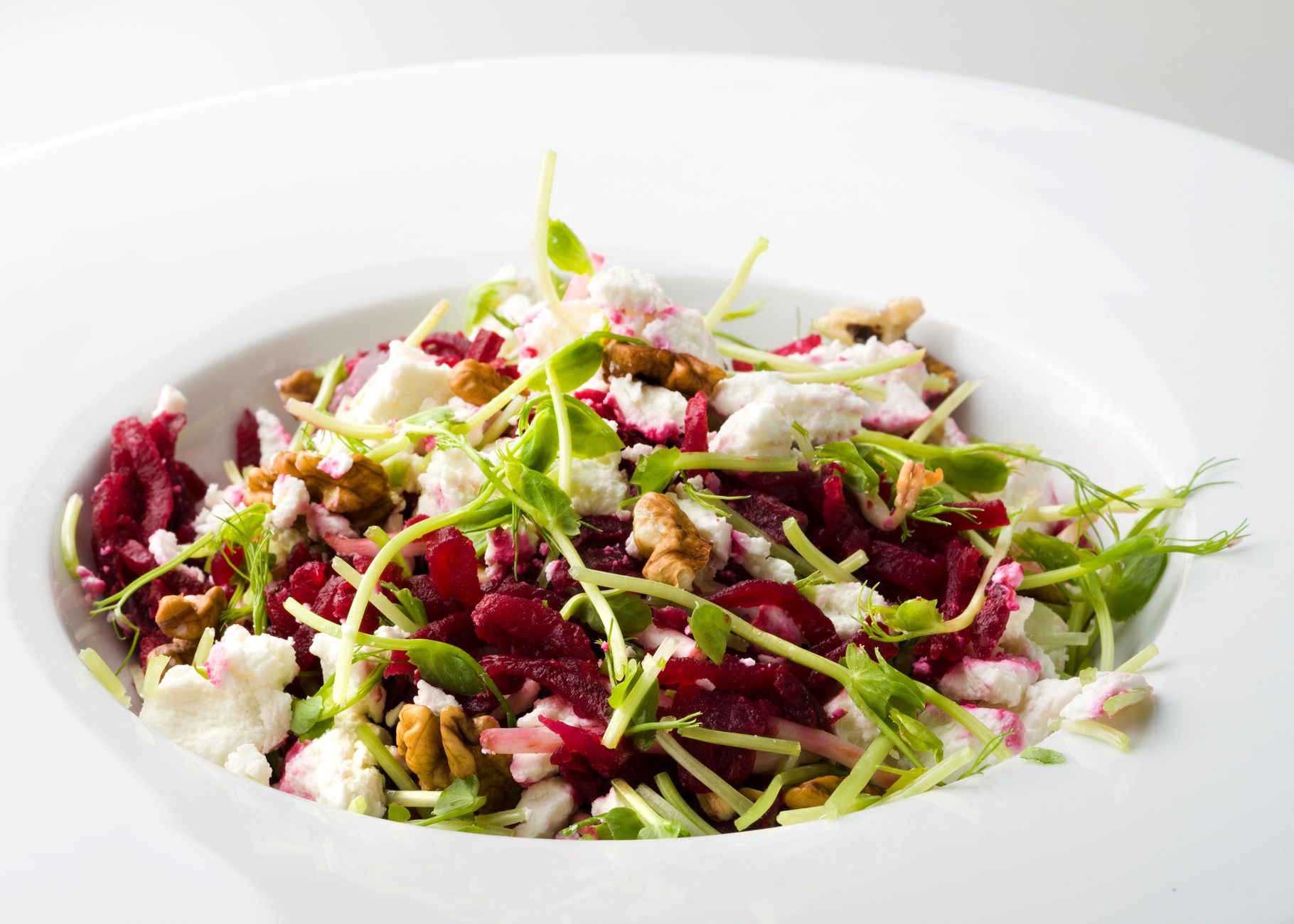
Beets are renowned for their ability to boost nitric oxide levels. This root vegetable is high in nitrates, making it a staple for athletes and health enthusiasts alike. Beets can be consumed roasted, juiced, or pickled, offering versatility in how you incorporate them into your meals.
- Roasted Beets: Roasting enhances their natural sweetness and earthy flavor.
- Beet Juice: This concentrated form captures the nitrates effectively and is popular for pre-workout energy.
- Pickled Beets: Adds tanginess to salads and sandwiches, enriching the flavors and nutrients.
Citrus Fruits
Citrus fruits like oranges, lemons, and grapefruits help enhance nitric oxide production due to their high vitamin C content. Vitamin C plays a crucial role in stabilizing nitric oxide, preventing its degradation in the body.
- Oranges: A refreshing source, best enjoyed fresh or in juices.
- Lemons: Useful in dressings and marinades, adding flavor while supporting nitric oxide levels.
- Grapefruits: This slightly bitter fruit can be consumed alone or in salads, contributing both taste and health benefits.
Nuts and Seeds
Many nuts and seeds are excellent sources of the amino acid arginine, which is a precursor to nitric oxide. Including a variety of nuts and seeds in your diet can help maintain adequate levels of nitric oxide.
- Walnuts: Rich in omega-3 fatty acids and arginine, walnuts are great for heart health.
- Chia Seeds: These tiny seeds are also high in fiber and healthy fats, perfect for adding to smoothies, puddings, and baked goods.
- Flaxseeds: A powerful source of omega-3s and lignans, can be ground and added to various recipes.
Meats (In Moderation)
Certain meats, such as poultry and fish, contain high levels of the amino acid arginine, which serves as a precursor to nitric oxide. While these foods can promote nitric oxide levels, it is essential to limit processed meats due to their health risks.
- Poultry: Options like chicken and turkey are lean sources of protein and generally well-tolerated.
- Fish: Fatty fish like salmon and mackerel is rich in omega-3 fatty acids, making them heart-healthy choices.
Dark Chocolate
Dark chocolate is rich in flavonoids, compounds known to enhance the production of nitric oxide. The higher the cocoa content, the more beneficial the chocolate is for your health. It can serve as a delicious treat while contributing positively to nitric oxide levels.
- Bittersweet Chocolate: Choose varieties with 70% cocoa or higher for maximum benefits.
Legumes
Legumes like lentils, chickpeas, and beans are rich in proteins and nutrients, including arginine. They can contribute to elevated nitric oxide levels while also providing a substantial amount of fiber and other essential nutrients.
- Lentils: Nutrient-dense and versatile, they work well in soups and salads.
- Chickpeas: Great for making hummus or adding to salads and grain bowls.
- Black Beans: High in protein and fiber, ideal for savory dishes.
Garlic
Garlic contains allicin, a compound that aids in the production of nitric oxide. Adding fresh garlic to your meals can enhance flavor and provide a health boost.
- Fresh Garlic: Use raw or sautéed in dishes for maximum flavor and health benefits.
Incorporating Nitric Oxide-Boosting Foods into Your Diet
Now that you know which foods are rich in nitrates and others that promote nitric oxide production, here are some practical tips for incorporating them into your daily meals:
Breakfast Ideas
- Start your day with a smoothie packed with spinach, citrus fruits, and chia seeds.
- Prepare oatmeal topped with roasted nuts and slices of dark chocolate for a nutritious breakfast.
- Try an omelet featuring sautéed greens and garlic for a savory option.
Lunch Ideas
- Make a colorful salad with mixed greens, beets, and walnuts, drizzled with a lemon vinaigrette.
- Prepare a chickpea salad with diced cucumber, garlic, and fresh herbs.
- Snack on fresh citrus fruit for a refreshing afternoon pick-me-up.
Dinner Ideas
- Roast a medley of root vegetables, including beets and garlic, paired with grilled chicken.
- Stir-fry dark leafy greens with your favorite protein and serve over quinoa or brown rice.
- Prepare whole grain wraps filled with black beans, roasted peppers, and avocado.
Snacks and Desserts
- Make energy balls using oats, nut butter, seeds, and sweeteners like honey or maple syrup.
- Enjoy a piece of dark chocolate for a satisfying treat.
- Experiment with roasted nuts or seeds flavored with herbs and spices for a savory snack.
Tips for Maximizing Nitric Oxide in Meals
There are several techniques you can implement when preparing meals to better support nitric oxide production:
- Eat Raw or Lightly Cooked: Cooking can reduce nitrate levels, so try to eat salads and raw vegetables when possible.
- Pair with Vitamin C: Enrich meals with vitamin C-rich foods, like citrus, to help stabilize nitric oxide.
- Incorporate Healthy Fats: Include sources of healthy fats, such as avocado or olive oil, to help with nutrient absorption.
Common Mistakes and Troubleshooting
While adjusting your diet to include more nitric oxide-boosting foods, avoid these common mistakes:
- Relying on Processed Foods: Avoid processed meats that contain nitrates and nitrites, which can be unhealthy.
- Skipping Variety: Focus on a variety of sources to ensure a broader nutrient intake and maximum benefits.
- Not Storing Properly: Keep fresh fruits and vegetables stored correctly to minimize nutrient loss.
Understanding Storage and Reheating
To preserve the nitrate content in these foods and ensure they are safe to eat, follow proper storage guidelines:
- Store leafy greens in the refrigerator, ideally wrapped in a damp paper towel to maintain moisture.
- Keep cooked beets in an airtight container in the fridge, where they’ll last several days.
- For nuts and seeds, store them in a cool, dry place or in the refrigerator to prolong their freshness.
Final Thoughts on Nitric Oxide-Boosting Foods
Incorporating nitric oxide-boosting foods into your diet can have profound effects on your health. From improving circulation to enhancing athletic performance, these foods play a vital role. Emphasizing a balanced diet rich in vegetables, fruits, nuts, and lean proteins will create delicious meals while supporting your body’s needs.
For delicious recipe ideas, consider exploring chia pudding recipes, or learn what foods have probiotics to enhance gut health as well. Adjust your meals to embrace the wealth of nutrition these foods offer, and enjoy the benefits that come with them.