
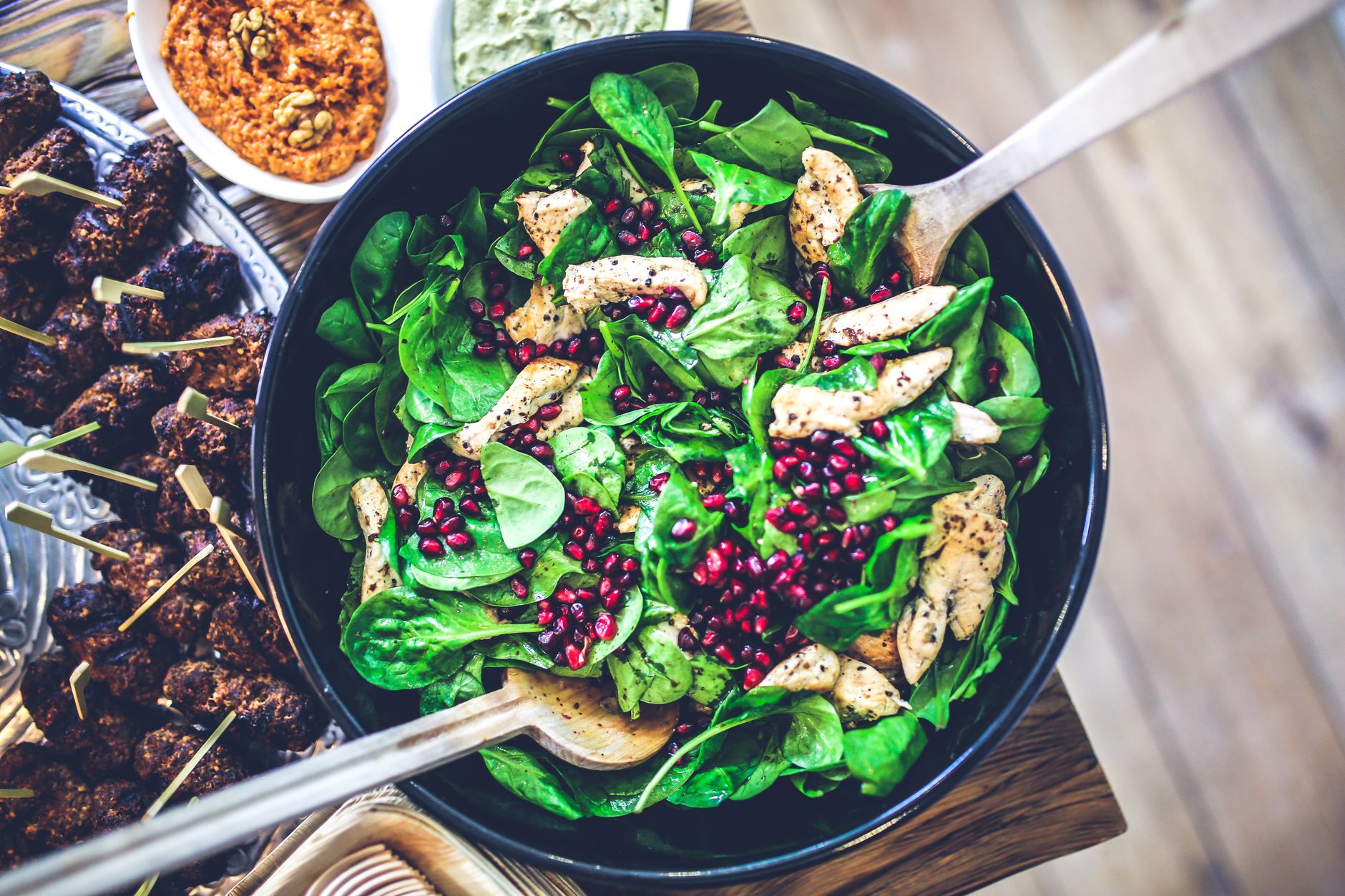
Collagen is a vital protein that contributes to the health and structure of various tissues in the body, including skin, cartilage, and bones. It’s essential for maintaining elasticity and hydration in the skin, providing strength and support in joints, and supporting overall bodily function. Given its importance, many people are keen to incorporate collagen-rich foods into their diets.
In this article, we will explore what foods contain collagen, how they benefit health, and practical ways to incorporate them into your meals. Whether you’re looking for obvious sources or lesser-known options, this guide should equip you with the knowledge to enhance your diet with collagen.
What Foods Have Collagen in Them?
Several foods are rich in collagen or help boost its production in the body. The most obvious sources are animal products, particularly those that contain connective tissues. Here are some of the key foods to consider:
1. Bone Broth
Bone broth is one of the most concentrated sources of collagen available. Made by simmering animal bones and connective tissues for an extended period, this nutrient-rich broth releases collagen and other beneficial compounds such as amino acids.
**Benefits:** Bone broth is not only rich in collagen but also minerals such as calcium, magnesium, and phosphorus, all essential for bone health.
**How to Use:** Use it as a base for soups, stews, and sauces. It can also be sipped on its own as a warming drink.
2. Chicken Skin
Chicken skin is another excellent source of collagen, particularly when the skin is cooked until crispy, releasing its collagen-rich fat. The collagen in chicken skin helps support joint health and skin elasticity.
**Benefits:** When consumed, chicken skin can help improve skin hydration and promote healthy joints.
**How to Use:** Enjoy fried or roasted chicken with skin on. You can also use chicken skin to enhance the flavor of homemade chicken soups.
3. Fish and Fish Skin
Fish, particularly fatty types like salmon, are rich in collagen. Fish skin is especially concentrated in collagen, making it a nutritious addition to your meals.
**Benefits:** The Omega-3 fatty acids in fish also support skin health, making this a beneficial food for overall appearance.
**How to Use:** Grill fish with the skin on, or make fish tacos using the skin as a topping for added crunch.
4. Eggs
Eggs are not high in collagen themselves, but they contain amino acids like proline and glycine, which are critical for collagen production. Egg whites are particularly rich in these amino acids.
**Benefits:** Including eggs in your diet can support your body’s natural collagen synthesis.
**How to Use:** Enjoy eggs in various forms—scrambled, poached, or in an omelet, or use eggs in baked goods as a binder.
5. Dairy Products
Dairy products, particularly cheese and yogurt, contain amino acids that contribute to collagen production. The calcium in dairy is also essential for bone health.
**Benefits:** These products can enhance skin hydration and structural integrity.
**How to Use:** Incorporate yogurt into smoothies, use cheese to top salads, or enjoy a glass of milk with meals.
6. Berries
Berries such as strawberries, blueberries, and raspberries are rich in vitamin C, which plays a crucial role in collagen synthesis. While they don’t contain collagen, they help your body produce it.
**Benefits:** The antioxidants in berries protect collagen from damage due to free radicals.
**How to Use:** Snack on berries alone, add them to smoothies, or use them as a topping for yogurt and cereals.
7. Leafy Greens
Leafy greens like spinach, kale, and swiss chard are high in chlorophyll, which may help boost collagen levels in the body. Spinach, for instance, is rich in vitamins A and C, which are essential for collagen production.
**Benefits:** Incorporating a variety of leafy greens can support skin health and potentially minimize signs of aging.
**How to Use:** Use leafy greens in salads, smoothies, or as a side dish in meals.
8. Nuts and Seeds
Nuts and seeds, especially pumpkin seeds and sunflower seeds, contain a variety of nutrients that promote collagen production, including zinc and fatty acids.
**Benefits:** Nuts are also a great source of healthy fats which can enhance skin health.
**How to Use:** Snack on a mixed nut blend, add seeds to salads or oatmeal, or use them to make homemade bars.
9. Citrus Fruits
Citrus fruits like oranges, lemons, and grapefruits are high in vitamin C, crucial for collagen synthesis. They also provide antioxidants that fight free radicals.
**Benefits:** The vitamin C helps to maintain the structural integrity of existing collagen in the body.
**How to Use:** Add citrus fruits to your diet by juicing or using them in salads, dressings, or garnishes.
10. Garlic
Garlic contains compounds that help block the breakdown of collagen in the body. Its unique sulfur content is essential for collagen production.
**Benefits:** Including garlic in your diet can support the preservation of collagen in the body.
**How to Use:** Use garlic as an aromatic in various dishes, such as garlic bread, stir-fries, and sauces.
Collagen Supplements
While it’s always best to get your nutrients from whole foods, collagen supplements are becoming increasingly popular. These come in various forms, including powders, capsules, and drinks, and typically contain hydrolyzed collagen for easy absorption.
**Benefits:** They may provide a convenient way to increase collagen intake without significant dietary changes.
**How to Use:** Mix collagen powder into smoothies, coffee, or baked goods for a protein boost.
Cooking Techniques to Preserve Food Collagen
When preparing collagen-rich foods, cooking techniques can impact the outcome. Here are a few methods to maximize collagen benefits:
- Simmering: For bone broth, simmer bones slowly for an extended period (at least 12 hours) to extract the most collagen.
- Roasting: Roasting chicken or fish with the skin on can help crisp the skin while retaining collagen.
- Steaming: Steaming vegetables like leafy greens preserves their nutrients and maintains their benefits.
- Slow Cooking: Using a slow cooker for soups and stews allows for even cooking and breakdown of collagen-rich ingredients.
Common FAQ About Collagen
Can you get collagen from plant sources?
While plant foods do not contain collagen directly, many are rich in nutrients that support collagen production, such as vitamins C and E, zinc, and antioxidants.
Is there a difference between collagen types?
Yes, there are several types of collagen (Type I, II, III, etc.), with different functions in the body. Type I is primarily found in skin, tendons, and bones, while Type II is mainly in cartilage.
What can damage collagen in your body?
Factors like excessive sun exposure, smoking, poor diet, and high sugar intake can damage collagen and inhibit its production.
Incorporating Collagen-Rich Foods into Your Diet
Incorporating collagen into your diet isn’t as difficult as it may seem. Here are some practical ways to get started:
- Meal Prep: Prepare bone broth in advance and use it as a base for various dishes throughout the week.
- Balance your plate: Ensure each meal contains a source of collagen and collagen-boosting nutrients, such as protein, healthy fats, and fresh fruits and vegetables.
- Experiment with recipes: Try new dishes that use collagen-rich ingredients or modify existing recipes to enhance collagen intake.
- Snacks: Include collagen-rich snacks like yogurt with berries, nuts, or egg-based mini frittatas.
Conclusion
Understanding and incorporating collagen-rich foods into your diet can enhance your health and beauty regimen. By focusing on sources like bone broth, fish, chicken skin, and nutrient-rich fruits and vegetables, you can support your body’s collagen production effectively. A balanced approach with varied nutrients will not only promote collagen health but also contribute to overall wellness. Start integrating these foods into your daily meals and observe the positive effects they can have on your skin, joints, and bones.
Explore related recipes, cooking tips, or food guides to further enhance your culinary knowledge and improve your diet. Try making chia pudding for a nutritious snack or learn about foods that have probiotics for gut health.