
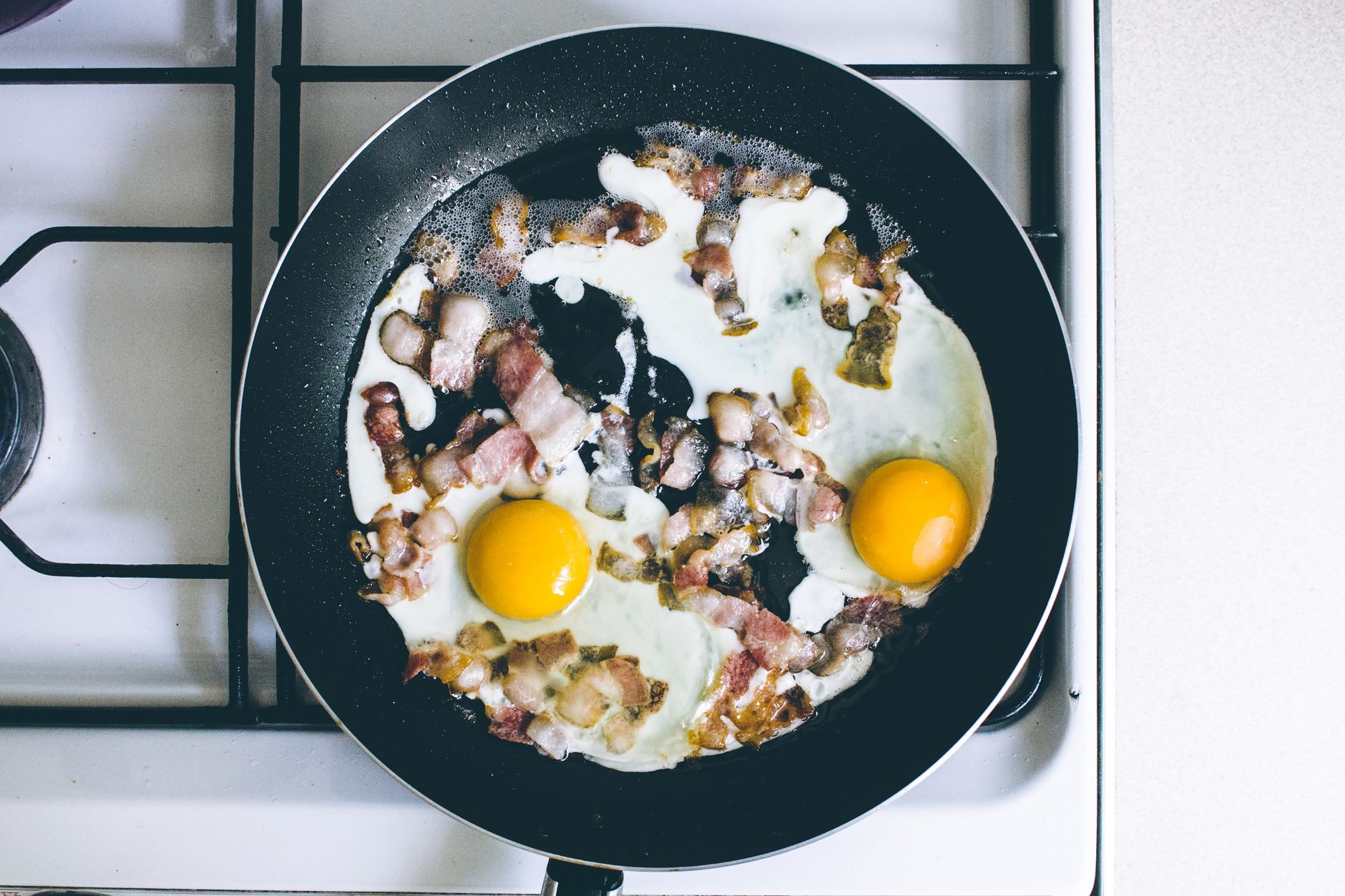
Understanding which foods contain cholesterol is crucial for maintaining heart health and overall well-being. Cholesterol is a waxy substance found in your body’s cells and is essential for producing hormones, vitamin D, and bile acids that help digest fat. However, consuming too much dietary cholesterol can increase blood cholesterol levels, which may lead to heart disease.
This article will explore various foods that contain cholesterol, their potential impact on health, and how to incorporate them into a balanced diet. We’ll also provide helpful tips for selecting products based on their cholesterol content.
What Foods Have Cholesterol In Them?
Cholesterol is found in animal-based foods, while plant-based foods generally do not contain any cholesterol. Here’s a breakdown of various food categories that contain cholesterol:
1. Animal Products
Animal products are the primary sources of dietary cholesterol. These include:
- Meat: Beef, lamb, pork, and processed meats such as sausages and bacon are high in cholesterol.
- Poultry: Chicken and turkey also contain cholesterol, though typically less than red meats.
- Seafood: Fish and shellfish can contain significant amounts of cholesterol, particularly shrimp and crab.
- Dairy Products: Whole milk, cheese, butter, and cream are rich in cholesterol. Low-fat and non-fat versions usually have less cholesterol.
- Eggs: Egg yolks are particularly high in cholesterol, while egg whites contain none.
2. Processed Foods
Many processed foods also contain cholesterol, primarily because they include animal ingredients. Examples include:
- Baked Goods: Cakes, pastries, and cookies made with butter or eggs can contain cholesterol.
- Ready-Made Meals: Foods like frozen dinners, particularly those that include meat, dairy, and eggs, often contain cholesterol.
- Snack Foods: Some snack foods, like cheese puffs or potato chips made with cheese or animal fat, can also contain cholesterol.
3. Cholesterol Content by Food Type
Here’s a summarized table showing cholesterol content in common foods:
| Food Item | Cholesterol (mg) |
|---|---|
| Egg (1 large) | 186 |
| Beef (3 oz) | 70 |
| Pork (3 oz) | 63 |
| Chicken (3 oz) | 70 |
| Shrimp (3 oz) | 166 |
| Cheddar Cheese (1 oz) | 30 |
| Butter (1 tbsp) | 31 |
| Whole Milk (1 cup) | 24 |
How Much Cholesterol Is Too Much?
The American Heart Association (AHA) recommends keeping dietary cholesterol intake below 300 mg per day. For those with heart disease or diabetes, a target of less than 200 mg per day is advised. It’s important to consider that dietary cholesterol’s impact on blood cholesterol levels varies among individuals.
Research suggests that saturated fats, often found in animal products, may have a more significant impact on blood cholesterol levels than dietary cholesterol itself. Therefore, it may be beneficial to focus on reducing saturated fat intake alongside cholesterol.
How to Choose Foods Wisely
1. Opt for Lean Proteins
Selecting lean cuts of meat can significantly reduce cholesterol intake. Look for labels that specify “lean” or “extra lean.” Poultry is generally lower in cholesterol than red meat. Consider skinless chicken breasts or turkey for a healthier option.
2. Explore Seafood Options
Seafood can be a healthy part of your diet. Fish, particularly fatty fish like salmon and mackerel, contain omega-3 fatty acids which can promote heart health. However, it’s advisable to consume shellfish like shrimp and crab in moderation due to their higher cholesterol content.
3. Use Dairy Alternatives
Switching to non-dairy alternatives, such as almond milk, oat milk, or coconut yogurt, can help avoid cholesterol found in animal-based dairy products. If you choose to consume dairy, opt for low-fat or non-fat options.
4. Limit Processed Foods
Processed and convenience foods often contain hidden fats and cholesterol. Reading food labels can help identify these products. Aim for whole foods whenever possible to manage cholesterol levels effectively.
Strategies for a Heart-Healthy Diet
Beyond managing cholesterol, a heart-healthy diet is balanced and rich in nutrients. Here are some strategies to incorporate into your eating habits:
1. Increase Fiber Intake
Fiber is crucial for maintaining healthy cholesterol levels. Incorporate more fruits, vegetables, whole grains, legumes, and nuts into your meals. Foods high in soluble fiber, such as oats and beans, can help reduce cholesterol absorption.
2. Include Healthy Fats
Focus on healthy fats found in plants, such as avocados, nuts, seeds, and olive oil. These fats can help improve cholesterol levels when they replace saturated and trans fats in your diet.
3. Maintain Portion Control
Being mindful of portion sizes can help manage cholesterol intake. Eating smaller portions of high-cholesterol foods ensures that you enjoy your favorites without overindulging.
4. Stay Hydrated
Water is vital for digestion and overall health. Staying hydrated may support your body’s ability to manage cholesterol, helping to keep your heart and kidneys functioning optimally.
5. Exercise Regularly
Regular physical activity can help raise high-density lipoprotein (HDL) cholesterol, often referred to as “good cholesterol.” Aiming for at least 150 minutes of moderate exercise each week can contribute to heart health.
Common Misconceptions About Cholesterol
Several myths circulate about dietary cholesterol. Dispelling these misconceptions can lead to better dietary choices:
- Myth 1: All cholesterol is bad.
The body needs cholesterol to function correctly; it’s all about balance and moderation. - Myth 2: Eggs are unhealthy due to high cholesterol levels.
Research indicates eggs may not impact blood cholesterol levels for most people, especially when consumed as part of a healthy diet. - Myth 3: Cutting out all animal products is necessary for heart health.
Balanced consumption and moderation are key, rather than outright exclusion.
Meal Planning for Cholesterol Management
Meal planning can play a vital role in managing cholesterol levels. Here is a sample one-day meal plan that includes foods low in cholesterol while being satisfying and nutritious:
Breakfast
- Oatmeal made with almond milk topped with berries and a sprinkle of flax seeds
- A small handful of walnuts
Lunch
- Grilled chicken salad with mixed greens, cherry tomatoes, cucumbers, and olive oil vinaigrette
- Quinoa or brown rice as a side
Snack
- Sliced apple with almond butter
Dinner
- Baked salmon with rosemary
- Steamed broccoli and sweet potato
Common Mistakes to Avoid With Cholesterol
When managing cholesterol levels, certain common mistakes can undermine efforts:
- Relying Solely on Medication: While medication may be necessary for some, lifestyle changes remain vital for heart health.
- Ignoring Food Labels: Many people overlook nutritional information, which can lead to higher cholesterol intake than intended.
- Underestimating Portion Sizes: Not measuring serving sizes can result in consuming more cholesterol-rich foods than planned.
Final Thoughts
Managing dietary cholesterol effectively requires awareness and informed choices. Recognizing which foods contain cholesterol, understanding the impact of dietary fats, and creating balanced meals can support heart health. Always remember to combine dietary strategies with physical activity for optimal results.
Feel free to explore more about dietary strategies with recipes like this Cholent Recipe, or learn about foods with probiotics. Your heart will thank you for it!