
Managing carbohydrate intake can be essential for various dietary approaches, such as ketogenic or low-carb diets. Knowing which foods contain no carbs can help you stick to your goals while enjoying a variety of flavors and textures. This article explores foods that do not have carbs, providing serving sizes and useful information to guide your meal planning.
From proteins to certain oils and greens, a wide variety of options is available. Whether you are aiming to lose weight, regulate blood sugar, or just diversify your pantry, understanding your choices will empower your culinary creativity.
What Foods Do Not Have Carbs?
Foods that do not have carbs include meats, fish, eggs, low-carb vegetables, nuts, and some dairy products. These foods provide essential nutrients and can be incorporated into many different meals. Here’s a detailed breakdown of various carb-free foods along with their serving sizes.
Protein Sources Without Carbs
Protein sources play a critical role in a low-carb diet, and many options are entirely free of carbs. Here’s a closer look at these foods:
Meat
- Beef (ground, steak, roasts, etc.) – 4 ounces: 0g carbs
- Pork (chops, loin, ribs, etc.) – 4 ounces: 0g carbs
- Lamb – 4 ounces: 0g carbs
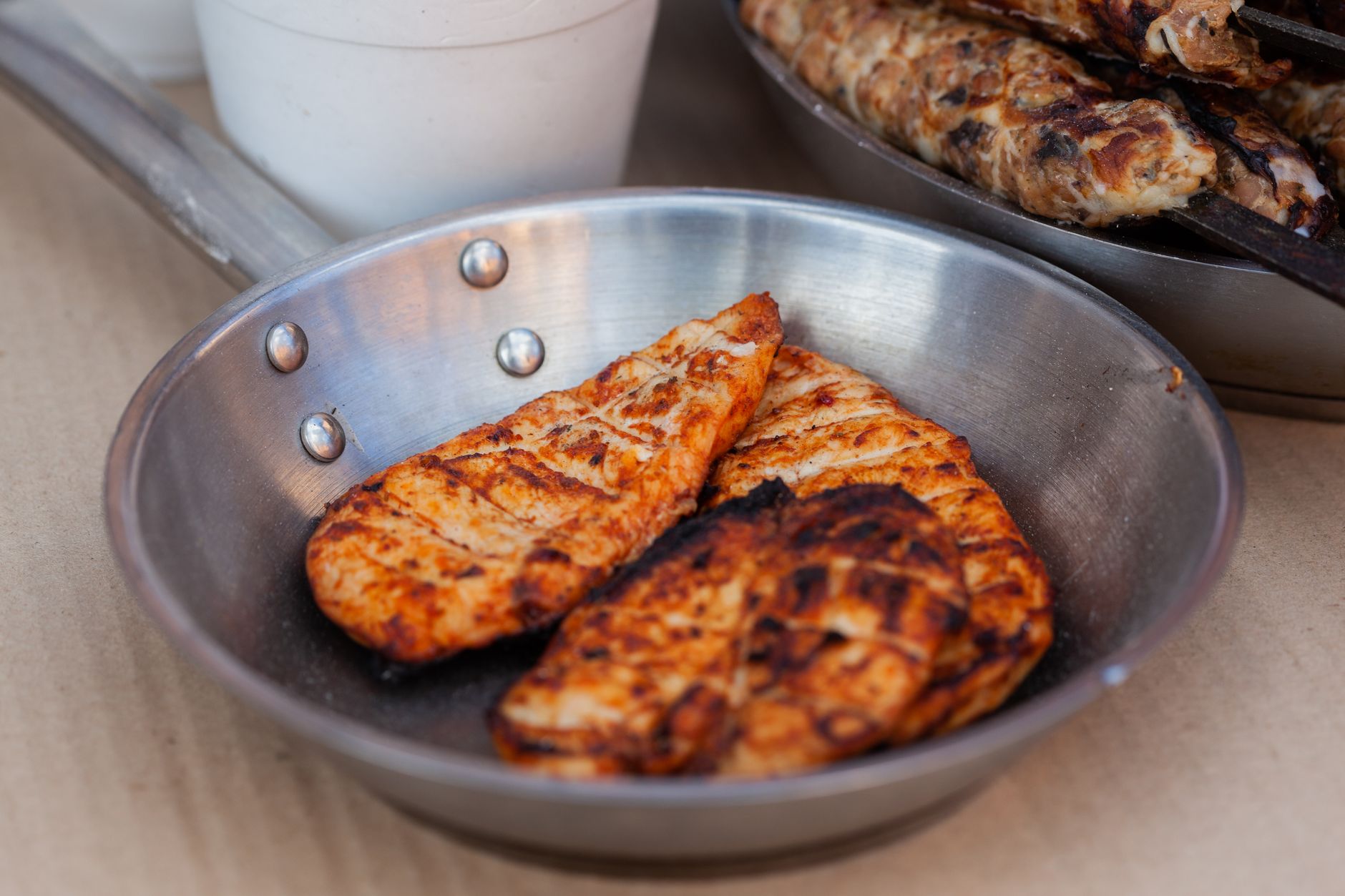
- Chicken (breast, thighs, drumsticks) – 4 ounces: 0g carbs
- Turkey – 4 ounces: 0g carbs
When choosing meat, opt for grass-fed or pasture-raised varieties for the best flavor and quality.
Fish and Seafood
- Salmon – 4 ounces: 0g carbs
- Tuna (canned, fresh) – 4 ounces: 0g carbs
- Shrimp – 4 ounces: 0g carbs
- Scallops – 4 ounces: 0g carbs
- Cod – 4 ounces: 0g carbs
Fish and seafood are excellent sources of omega-3 fatty acids, which can enhance heart health and provide anti-inflammatory benefits.
Eggs
Eggs are an incredible source of protein and other nutrients, and they contain no carbohydrates at all:
- Whole Egg – 1 large egg: 0g carbs
Eggs can be prepared in various ways, such as boiling, scrambling, or poaching, making them versatile for any meal of the day.
Dairy Options
While some dairy products contain carbohydrates, there are many low- or no-carb choices to enjoy:
- Cheese (most hard cheeses) – 1 ounce: 0-1g carbs
- Heavy Cream – 1 tablespoon: 0.5g carbs
- Butter – 1 tablespoon: 0g carbs
- Sour Cream – 2 tablespoons: 1g carbs
When selecting cheese, look for aged or hard varieties such as cheddar or parmesan, as these usually have the least carbs.
Low-Carb Vegetables
Most vegetables contain some carbs, but several options are very low in carbohydrates. Here’s a selection:
- Spinach – 1 cup raw: 0.4g carbs
- Lettuce (iceberg or romaine) – 1 cup: 0.5g carbs
- Cucumber – 1 cup sliced: 3.8g carbs
- Zucchini – 1 cup sliced: 3.5g carbs
- Radishes – 1 cup sliced: 4g carbs
These vegetables add texture and flavor to your meals without significantly increasing your carb intake.
Nuts and Seeds
Certain nuts and seeds can be enjoyed on a low-carb diet, adding healthy fats and a satisfying crunch. Most nuts have some carbs but can still fit into this category:
- Pecans – 1 ounce: 1.2g carbs
- Macadamia Nuts – 1 ounce: 1.5g carbs
- Walnuts – 1 ounce: 3.9g carbs
- Sunflower Seeds – 1 ounce: 6g carbs
While nuts and seeds contain fiber, which offsets some carb content, they should still be consumed in moderation, especially if aiming for strict carb limits.
Oils and Fats
Healthy fats provide essential energy and flavors without any carbohydrates. Below are some common cooking oils:
- Olive Oil – 1 tablespoon: 0g carbs
- Coconut Oil – 1 tablespoon: 0g carbs
- Butter – 1 tablespoon: 0g carbs
- Avocado Oil – 1 tablespoon: 0g carbs
Utilizing these healthy fats for cooking or dressings ensures that you maintain a low carb count while enhancing flavors.
Beverages Without Carbs
Even beverages can contribute to your daily carb intake. Here are some options that keep carbs at bay:
- Water – 0g carbs
- Sparkling Water (unsweetened) – 0g carbs
- Black Coffee – 0g carbs
- Herbal Tea (unsweetened) – 0g carbs
Opting for these beverages will help hydrate you without adding any carbs to your daily total.
Understanding Food Labels and Carb Content
When pursuing a low-carb lifestyle, clearly understanding food labels is crucial. Here are a few points to consider:
- **Total Carbohydrates**: This value reflects all types of carbs, including sugars, starches, and fiber.
- **Net Carbs**: To calculate net carbs, subtract fiber and certain non-digestible carbohydrates from the total carb count. This is often how people calculate their carb intake.
- **Hidden Carbs**: Be cautious of processed foods that may include added sugars or fillers, which can increase the carb content. Always check the ingredient list.
Meal Planning Without Carbs
Planning meals while keeping carb content low can be simple and satisfying. Here are a few meal ideas to get you started:
Breakfast
- Scrambled eggs with spinach and cheese
- Avocado slices topped with smoked salmon
- Chia seed pudding made with unsweetened almond milk
Lunch
- Grilled chicken salad topped with olive oil and vinegar
- Cauliflower rice stir-fry with shrimp
- Stuffed bell peppers with beef and cheese
Dinner
- Baked salmon with a side of sautéed zucchini
- Roasted pork with a mixed green salad
- Grilled steak served with garlic butter and asparagus
Snacks
- Celery sticks with cream cheese
- Olives and pickles
- Beef jerky (check for added sugars)
Tips for Choosing Low-Carb Foods
To simplify your shopping and meal preparation, consider these tips while choosing low-carb foods:
- Focus on whole foods: Fresh meats, fish, eggs, and vegetables are typically the safest choices for low-carb eating.
- Stock up on pantry essentials: Keep oils, spices, and low-carb snacks on hand to make meal preparation easier.
- Experiment with cooking methods: Grilling, baking, or steaming can enhance flavors without the need for carbs.
Common Mistakes and Troubleshooting
While following a low-carb diet, it’s easy to make some common mistakes. Here are a few to watch for:
- Overestimating portion sizes: Make sure to measure out servings for accurate carb counts.
- Neglecting nutrient balance: Ensure you’re getting enough vitamins and minerals from non-carb sources.
- Relying heavily on processed foods: Many packaged foods labeled ‘low-carb’ can still contain additives that increase carbs.
If you find that you’re consistently feeling fatigued or unwell, it may be worth reassessing your food choices or consulting a nutritionist.
Making It Work
Low-carb eating doesn’t have to be restrictive or dull. With the reliable knowledge of which foods are carb-free, you can create diverse and flavorful meals. Discovering new combinations and different cooking methods will also inspire creativity in your kitchen.
As a practical step, start by stocking up on the no-carb foods highlighted here and planning out meals for the week. This tactical approach can streamline your cooking and ensure you have many satisfying options at your disposal.
Explore related recipes, cooking tips, or food guides. Discover how many carbs are in eggs, or try making a carnivore bread recipe for a unique low-carb alternative.