
Riboflavin, also known as vitamin B2, plays a crucial role in energy production and the metabolism of fats, carbohydrates, and proteins. It’s essential for maintaining healthy skin, eyes, and nerve functions. Incorporating riboflavin-rich foods into your diet is important for overall health. But what exactly are these foods?
This article delves into the top food sources of riboflavin, their benefits, and practical tips for including them in your meals. Whether you are looking to boost your intake of this vital nutrient or simply enhance your diet, understanding which foods are rich in riboflavin can guide your grocery shopping and meal planning.
What Foods Contain Riboflavin?
Riboflavin is found in a variety of foods, both animal-based and plant-based. Here’s a detailed breakdown of the primary sources of riboflavin:
1. Dairy Products
Dairy products are among the richest sources of riboflavin. Including these in your diet can significantly elevate your intake of this vitamin. Here are some staples:
- Milk: One cup of whole milk contains about 0.45 mg of riboflavin, making it a superlative choice for breakfast or during your day.
- Yogurt: A serving of yogurt can offer approximately 0.2 mg of riboflavin, making it a delicious and nutritious snack.
- Cream: Not only does cream add richness to dishes, but it also contains riboflavin. Double cream is particularly high, with around 0.3 mg per tablespoon.
- Cheese: Different types of cheese, such as Swiss and feta, provide riboflavin, with Swiss cheese offering about 0.38 mg per ounce.
2. Eggs
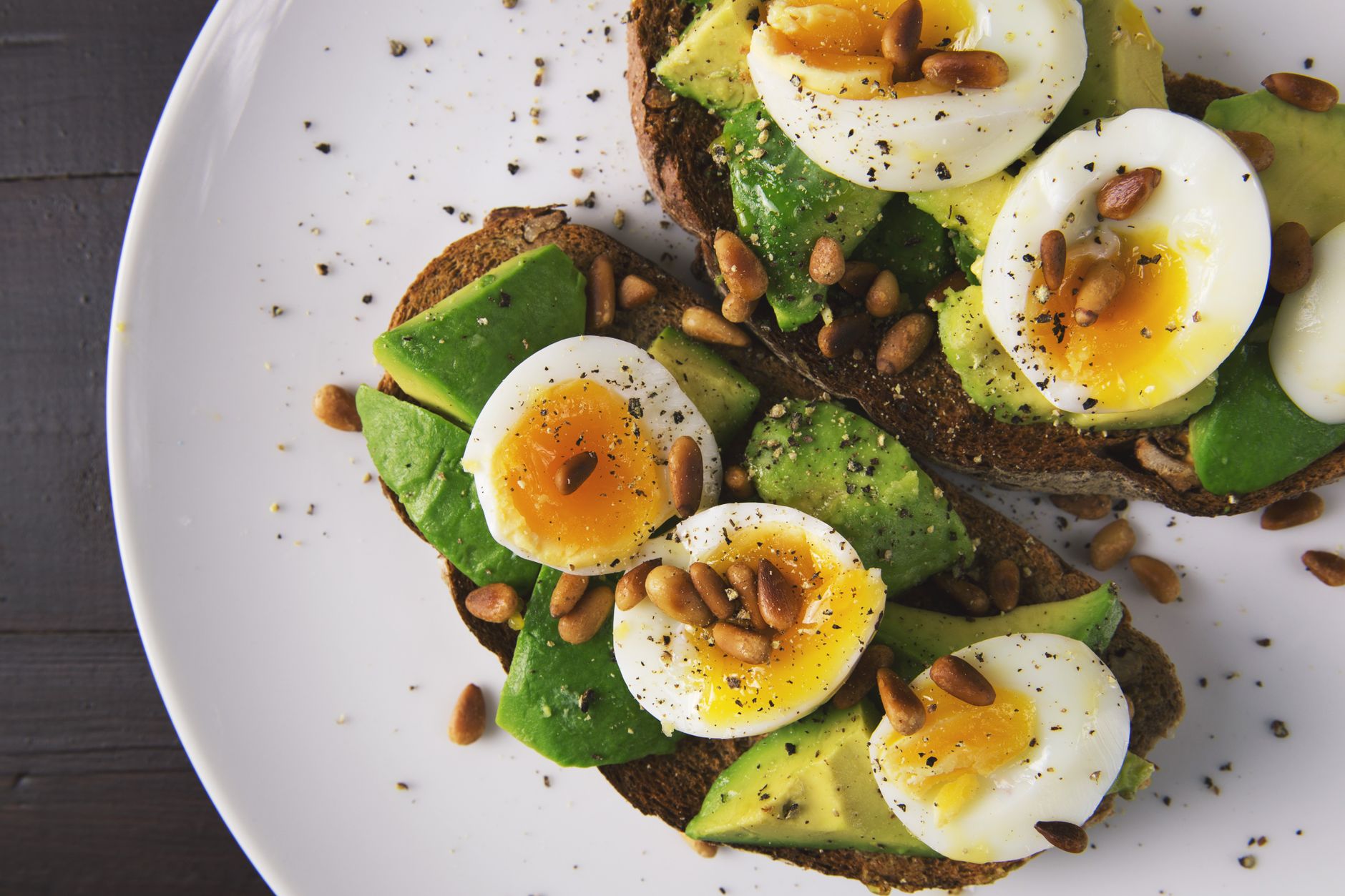
Eggs are another excellent source of riboflavin, especially in the egg white. A large egg contains about 0.3 mg of riboflavin. They can be prepared in various ways, making them a versatile addition to any meal.
3. Lean Meats
Lean meats provide significant amounts of riboflavin. Here are some meats to consider:
- Beef: Particularly liver, is packed with riboflavin. A 3-ounce serving of beef liver can deliver about 2.9 mg of riboflavin.
- Pork: Lean pork chops contribute around 0.4 mg of riboflavin per 3-ounce serving.
- Poultry: Chicken and turkey can provide upto 0.1 mg riboflavin per 3-ounce serving.
4. Fish
Certain fish are excellent riboflavin sources as well. Consider the following:
- Salmon: A notable option that offers 0.15 mg of riboflavin per 3-ounce serving.
- Tuna: Whether canned or fresh, tuna can provide similar amounts, great for salads and sandwiches.
5. Green Leafy Vegetables
For those following a plant-based diet or looking to increase their intake of vegetables, green leafy vegetables are valuable sources:
- Spinach: One cup of cooked spinach contains about 0.4 mg of riboflavin.
- Kale: Similarly, kale offers about 0.1 mg per cup when cooked.
- Broccoli: This versatile vegetable includes approximately 0.1 mg of riboflavin depending on preparation method.
6. Nuts and Seeds
Nuts and seeds can also contribute to your riboflavin intake:
- Almonds: Providing approximately 1.1 mg of riboflavin per ounce, almonds make an excellent snack choice.
- Sunflower Seeds: A single serving contains around 0.2 mg of riboflavin, great for adding crunch to salads.
7. Grains
Whole grains can be a source of riboflavin as well. Including them in your meals can ensure you receive your daily dose:
- Oats: A cup of cooked oats contains 0.2 mg of riboflavin, perfect for a breakfast boost.
- Quinoa: This popular grain is not only high in protein but also provides riboflavin at around 0.3 mg per cooked cup.
8. Fortified Foods
Many breakfast cereals and bread are fortified with riboflavin and other B vitamins. Always check the nutritional labels to find options rich in riboflavin. Some cereals can provide upwards of 0.5 mg per serving.
Incorporating Riboflavin into Your Diet
Now that you have a comprehensive understanding of riboflavin-rich foods, here are practical tips for including them in your meals:
Breakfast Ideas
- Start your day with a smoothie: Combine yogurt, spinach, and a banana for an energizing boost.
- Make an omelet: Use eggs and fill it with cheese and leafy greens for a filling breakfast.
- Overnight oats: Prepare oats with milk and top with nuts for a nutritious start.
Lunch Suggestions
- Quinoa salad: Mix cooked quinoa with vegetables, nuts, and a dressing for lunch.
- Sandwiches: Use whole-grain bread loaded with turkey, cheese, and leafy greens.
- Vegetable stir-fry: Combine broccoli and spinach with shrimp or chicken over brown rice.
Dinner Options
- Grilled salmon: Accompany with a side of quinoa and steamed vegetables for a balanced dinner.
- Beef stir-fry: Serve with broccoli and brown rice for an easy and hearty meal.
Snack Ideas
- Nuts: Keep a bag of almonds or sunflower seeds handy for a healthy snack.
- Yogurt: Opt for yogurt with added fruits for a refreshing mid-day treat.
Common Mistakes When Increasing Riboflavin Intake
While adding riboflavin-rich foods to your diet is beneficial, there are a few common pitfalls to avoid:
- Overlooking fortification: Not all cereals or breads contain added riboflavin, so read labels carefully.
- Neglecting variety: Relying too heavily on one food source can lead to nutritional imbalances.
Potential Substitutions
If you’re unable to consume certain riboflavin-rich foods due to dietary restrictions, consider these substitutions:
- Dairy alternatives: Fortified almond milk or soy milk can provide a similar nutritional profile.
- Plant-based protein: Tofu or lentils offer a good alternative to meat and contain riboflavin.
Storage and Preparation
Understanding how to store and prepare riboflavin-rich foods can help maintain their nutritional value:
- Dairy: Keep refrigerated and consume before the expiration date for best quality.
- Meats and Fish: Store in the coldest part of the refrigerator and consume within recommended timeframes to prevent spoilage.
Conclusion
Incorporating riboflavin-rich foods into your diet is both feasible and delicious. From dairy and eggs to green leafy vegetables and nuts, plenty of options cater to various dietary preferences and cooking styles. By following the tips provided, you can enhance your meals and ensure adequate riboflavin intake.
For some tasty ideas, explore our Chia Pudding Recipe with Coconut Milk or opt for the flavorful Honey Sesame Chicken Recipe to add more variety to your meals.