
Polyphenols are a category of chemicals found in plants, widely recognized for their antioxidant properties and potential health benefits. These compounds contribute to the taste, color, and disease resistance of plants, making them vital for our diet. This article will explore various foods rich in polyphenols, how to incorporate them into your meals, and tips for maximizing their benefits.
Understanding which foods contain polyphenols is essential for building a nutrient-rich diet. From fruits and vegetables to beverages and spices, polyphenols are abundant in many everyday foods. Let’s dive into the specifics of these delicious options.
What Foods Contain Polyphenols?
A wide variety of foods contain polyphenols, categorized into several groups based on their primary sources. Here are some of the most notable foods that are rich in these beneficial compounds:
Fruits
Fruits are among the best sources of polyphenols. Here’s a selection of fruits high in polyphenolic content:
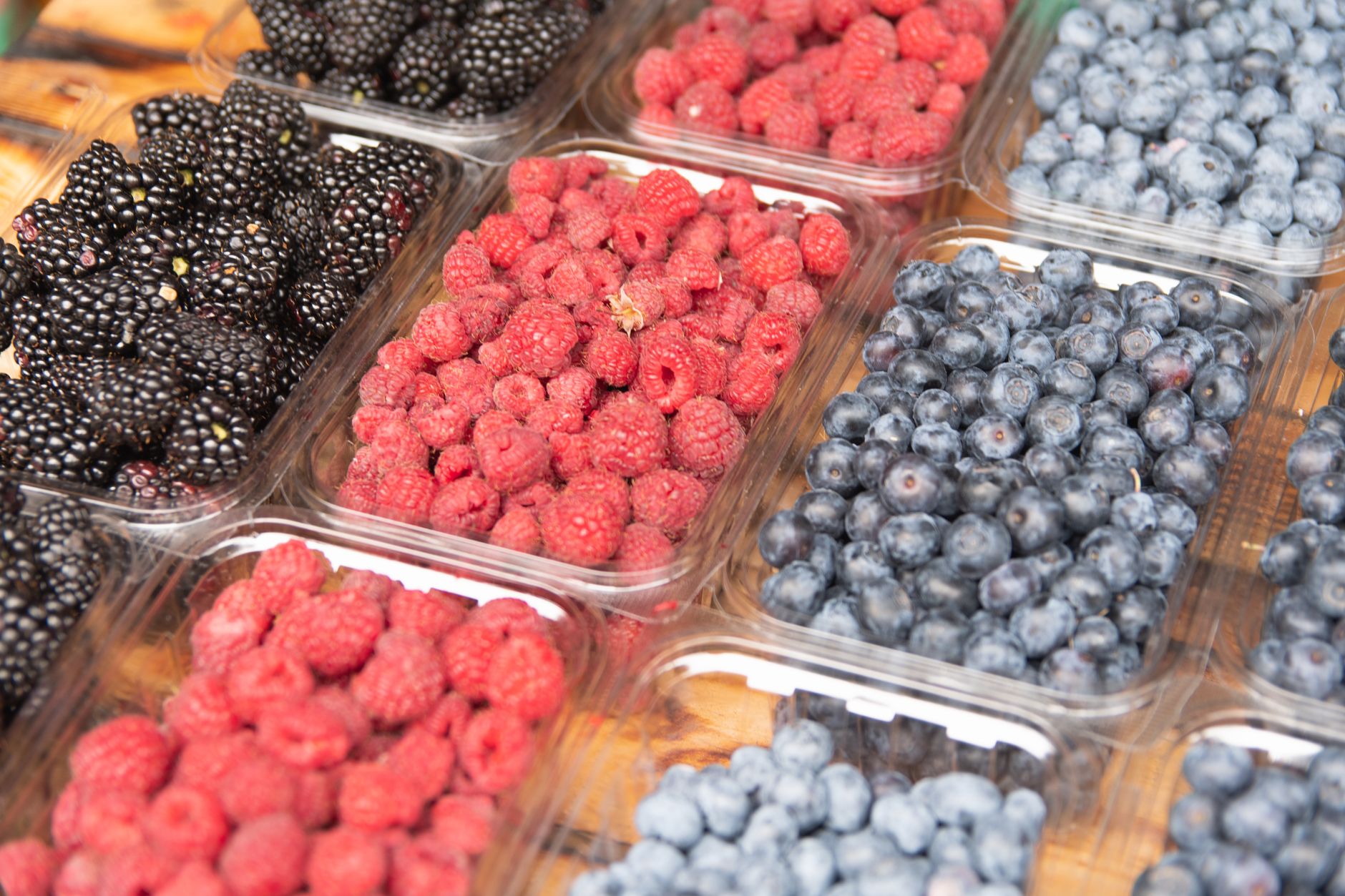
- Berries: Blueberries, strawberries, blackberries, and raspberries are particularly high in polyphenols. They contain anthocyanins, which give them their rich colors and also function as powerful antioxidants.
- Apples: Especially the skins, contain quercetin, a type of flavonoid beneficial for health.
- Cherries: Tart cherries are known for their high polyphenol content, particularly anthocyanins, and may aid in reducing inflammation.
- Grapes: Both red and black grapes are rich in resveratrol, which is linked to heart health and longevity.
- Pomegranates: High in punicalagins and other polyphenols, pomegranates are often touted for their health benefits.
Vegetables
Various vegetables are also excellent sources of polyphenols. Incorporate the following into your meals:
- Artichokes: Known to be extremely high in polyphenols, particularly chlorogenic acid.
- Spinach: Contains flavonoids and phenolic acids, which offer antioxidant properties.
- Red onions: Rich in quercetin, red onions can enhance flavor and nutrition in many dishes.
- Broccoli: Contains a variety of polyphenolic compounds that may help to lower cancer risk.
- Beets: High in betalains, beets have powerful antioxidant properties.
Beverages
Several drinks are also rich in polyphenols:
- Tea: Green tea and black tea are rich in catechins and flavonoids. They are linked to various health benefits, including improved heart health.
- Coffees: Both brewed coffee and espresso have high polyphenol contents, mainly in the form of chlorogenic acids.
- Red Wine: Known for its high resveratrol content, red wine also contains other beneficial polyphenols.
Spices and Herbs
Many spices and herbs also contain significant amounts of polyphenols. Consider these flavorful options:
- Turmeric: Contains curcumin, a potent anti-inflammatory compound.
- Cloves: Have the highest antioxidant content of all spices due to their high polyphenol levels.
- Cinnamon: Contains a variety of polyphenols, contributing to its widespread use in cooking and baking.
- Oregano: Rich in polyphenols, it also adds flavors to Mediterranean dishes.
Nuts and Seeds
Nuts and seeds not only provide healthy fats but also polyphenols:
- Walnuts: Contain a good amount of ellagitannins.
- Hazelnuts: Rich in flavonoids, offering both taste and health benefits.
- Chia Seeds: High in antioxidants and can easily be added to food products.
Whole Grains
Whole grains can also be excellent sources of polyphenols. These include:
- Whole Wheat: Contains high levels of phenolic acids.
- Oats: These are rich in avenanthramides, a type of polyphenol.
- Barley: Another excellent source of antioxidants and fiber.
How to Incorporate Polyphenol-Rich Foods into Your Diet
Integrating foods high in polyphenols into your diet is easy and can enhance not just health but also the flavor of your meals. Here are some practical tips:
Breakfast Options
- Start your morning with a smoothie that includes a mix of berries, spinach, and a tablespoon of chia seeds. This nutrient-dense blend is packed with polyphenols.
- Consider oatmeal topped with nuts, seeds, and a sprinkle of cinnamon. The combination adds both texture and health benefits.
Lunch Ideas
- Prepare a colorful salad that includes kale, walnuts, and slices of apple. Dress it with a balsamic vinaigrette to enhance flavor and health benefits.
- Make a wrap with roasted vegetables, hummus, and a sprinkle of oregano or thyme for added flavor.
Dinner Suggestions
- For dinner, consider grilled salmon served with quinoa and steamed broccoli. Both broccoli and quinoa are rich in polyphenols.
- You could also try a stir-fry featuring a variety of colorful veggies like bell peppers, onions, and a protein of your choice, seasoned with garlic and ginger.
Snack Time
- Choose snacks loaded with nutrients, such as berries with Greek yogurt or nuts for a quick energy boost.
- Consider making a simple berry compote to serve with your snacks. This can easily be made by simmering mixed berries on the stove with a hint of honey.
Tips for Maximizing Polyphenol Intake
For the best outcomes, consider these tips when consuming polyphenol-rich foods:
- Eat the Skins: Many fruits and vegetables contain polyphenols in their skins, so consider leaving the skins on whenever possible.
- Pair Foods Wisely: Combining polyphenol-rich foods with healthy fats can improve absorption. For example, adding nuts to salads can help.
- Cook Smart: While some cooking methods may reduce polyphenol content, methods like steaming or microwaving often retain more nutrients compared to boiling.
- Stay Fresh: Aim to consume fresh produce to get the most nutrients. Frozen fruits and vegetables are convenient but might lose some polyphenols during processing.
Common Misconceptions About Polyphenols
While polyphenols are often discussed, several misconceptions remain. Here are a few:
- All Polyphenols are Equal: Not all polyphenols have the same benefits. Some types may be more effective for certain health outcomes than others.
- Cooking Destroys Polyphenols: While some cooking methods can reduce polyphenol levels, others can make them more bioavailable, meaning your body can absorb them better.
- You Can Get Enough From Supplements: While there are many polyphenol supplements on the market, the most effective way to gain polyphenols is through whole foods.
Common Mistakes to Avoid
To optimize your polyphenol intake and avoid any pitfalls, keep these common mistakes in mind:
- Ignoring Variety: Different foods contain different types of polyphenols. Aim to consume a variety of polyphenol-rich foods rather than sticking to one or two options.
- Overcooking Vegetables: Excessive cooking can diminish the polyphenol content. Steaming or lightly sautéing vegetables can help retain more nutrients.
- Relying Solely on Drinks: While beverages like tea and coffee are rich in polyphenols, they should not be your only source. Aim for a balanced diet with whole foods.
Storage Tips for Polyphenol-Rich Foods
Proper storage can help preserve the polyphenol content of foods:
- Fruits and Vegetables: Store fresh produce in a cool, dark place. Refrigeration can extend their shelf life and maintain polyphenol levels.
- Nuts and Seeds: Keep these in airtight containers in a cool, dark environment to avoid rancidity.
- Whole Grains: Store in a sealed container in a dry place. Some whole grains can also be frozen for longer shelf life.
Conclusion
Incorporating polyphenol-rich foods into your diet is a delicious and beneficial way to enhance your nutrition. From colorful fruits and vegetables to flavorful spices and beverages, a variety of options are available. Adjusting your meals to include these foods can promote overall health while also adding vibrant flavors to your dishes.
Explore ways to enhance your routine with recipes or tips, such as making a chia pudding or a delectable berry compote. These simple modifications can elevate your dishes while ensuring you reap the benefits of polyphenols.