
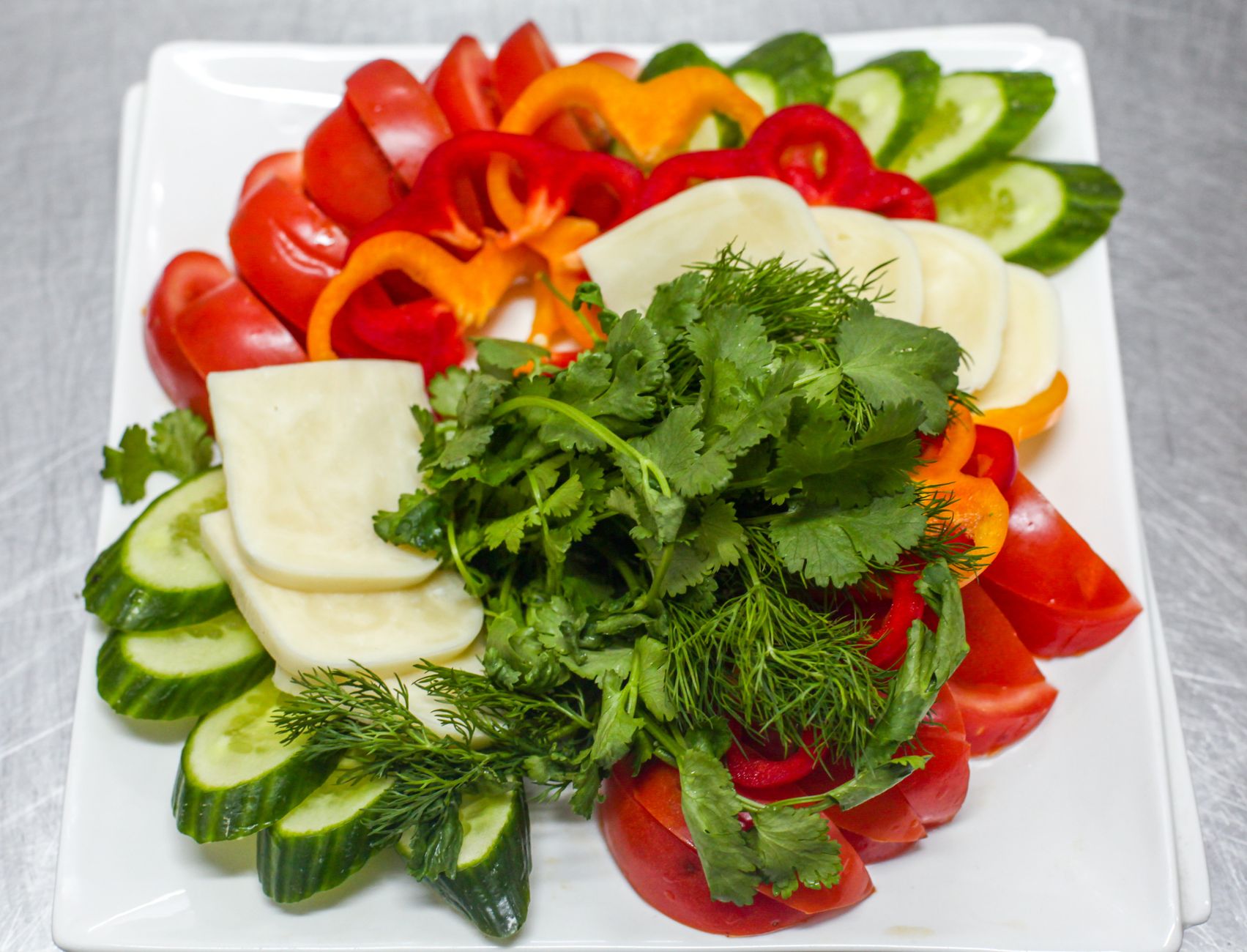
Understanding what foods diabetics can eat freely is essential for maintaining balanced blood sugar levels and promoting overall health. This article serves as a comprehensive guide to help those living with diabetes make informed food choices while enjoying a varied and satisfying diet.
Healthy eating for diabetics is not about severe restrictions but about selecting foods that support well-being. Let’s explore various food categories that are diabetes-friendly and discuss how they can be incorporated into daily meals.
What Foods Can Diabetics Eat Freely?
Diabetics can eat a variety of foods that are lower in carbohydrates and have a low glycemic index (GI). Foods such as non-starchy vegetables, whole grains, lean proteins, nuts, and healthy fats can be included in a diabetic-friendly diet without causing significant blood sugar spikes.
Non-Starchy Vegetables
Non-starchy vegetables are high in fiber, vitamins, and minerals while being low in calories and carbohydrates. They can be consumed freely and provide essential nutrients.
- Broccoli
- Spinach
- Kale
- Zucchini
- Cauliflower
- Bell peppers
- Asparagus
- Carrots
- Cucumbers
- Green beans
These vegetables can be eaten raw, steamed, roasted, or incorporated into various dishes. Their high fiber content helps control blood sugar levels, making them a great addition to meals and snacks.
Whole Grains
Whole grains are a vital part of a healthy diet for diabetics. They provide complex carbohydrates, fibers, and essential nutrients. Unlike refined grains, whole grains have a lower glycemic index and can help manage blood sugar levels.
- Quinoa
- Brown rice
- Barley
- Oats
- Bulgur
- Whole-wheat pasta
When choosing whole grains, it’s essential to look for products labeled “100% whole grain” and check portion sizes, as larger servings can contribute to higher carbohydrate intake.
Lean Proteins
Incorporating lean proteins into your diet helps with blood sugar control and can promote satiety. Here’s a list of lean protein sources that diabetics can enjoy:
- Chicken breast
- Turkey
- Fish (such as salmon or trout)
- Tofu
- Legumes (beans and lentils)
- Eggs
- Low-fat dairy products (such as yogurt and cottage cheese)
These proteins can be grilled, baked, or used in soups and salads, helping to create balanced meals without excessive carbohydrates.
Nuts and Seeds
Nuts and seeds are rich in healthy fats, protein, and fiber, making them an excellent snack option for diabetics. They can help moderate blood sugar levels and keep you feeling full.
- Almonds
- Walnuts
- Pistachios
- Chia seeds
- Flaxseeds
- Sunflower seeds
While nuts are nutrient-dense, be mindful of portion sizes, as they are calorie-dense. A small handful is a suitable snack to maintain energy levels throughout the day.
Healthy Fats
Healthy fats are essential for a balanced diet and can help regulate blood sugar. They support heart health and overall body function. Good sources of healthy fats include:
- Avocado
- Olive oil
- Coconut oil
- Fatty fish (like salmon and mackerel)
- Nut butters (with no added sugar)
Incorporating these fats into meals can enhance flavor and satisfaction while providing energy. Use olive oil for dressings or cooking, and enjoy avocados on toast or in salads.
Low-Sugar Fruits
While fruits contain natural sugars, many can fit into a diabetic diet when consumed in moderation. Focus on low-sugar fruits that have a lower glycemic index:
- Berries (strawberries, blueberries, raspberries)
- Apples
- Pears
- Peaches
- Cherries
- Grapefruit
These fruits can be enjoyed fresh, in smoothies, or added to yogurt. Always monitor portion sizes to maintain balanced blood sugar levels.
Herbs and Spices
Herbs and spices can enhance the flavor of meals without adding calories or carbs. They contribute beneficial antioxidants and can be used freely in a diabetic diet:
- Basil
- Oregano
- Thyme
- Cinnamon
- Ginger
- Turmeric
Experimenting with various herbs and spices in cooking can create diverse and delicious dishes, keeping meals exciting and flavorful.
Foods to Limit or Avoid
While there are many foods diabetics can eat freely, some should be limited or avoided entirely to manage blood sugar levels effectively:
- White bread and pastries (high in refined carbs)
- Sugary drinks (soda, sweetened teas, and juices)
- Fast food (high in unhealthy fats and sugars)
- Processed snacks (potato chips, candy, and cookies)
- High-sugar desserts (cakes, ice cream, and coffees with syrup)
Avoiding these foods helps reduce the risk of blood sugar spikes and maintains overall health. Instead, choose homemade alternatives with healthier ingredients.
Meal Planning Tips for Diabetics
Effective meal planning can simplify the process of eating well with diabetes. Here are some tips for creating balanced meals while keeping food choices varied:
- Plan meals in advance to make informed choices and avoid unhealthy options.
- Use a plate method. Fill half your plate with non-starchy vegetables, one-quarter with lean protein, and one-quarter with whole grains.
- Prepare snacks in advance, such as cut-up vegetables, mixed nuts, or fruit, to have healthy options on hand.
- Consider using a food diary or app to track what foods you eat and monitor blood sugar levels.
Meal planning and preparation can help you stay organized and remain on track with your health goals.
Sample Meal Ideas for Diabetics
Here are some sample meal ideas that incorporate diabetes-friendly foods:
Breakfast
- Overnight oats made with rolled oats, chia seeds, almond milk, topped with berries.
- Scrambled eggs with spinach and tomatoes, served with a slice of whole-grain toast.
- Greek yogurt with sliced apple and a sprinkle of cinnamon.
Lunch
- Quinoa salad with chickpeas, cucumbers, tomatoes, and a lemon vinaigrette.
- Turkey and avocado wrap in a whole-grain tortilla with mixed greens.
- Mixed vegetable stir-fry with tofu served over brown rice.
Dinner
- Grilled salmon with a side of steamed broccoli and quinoa.
- Chicken fajitas made with bell peppers, onions, served with lettuce wraps.
- Stuffed bell peppers with ground turkey, brown rice, and spices.
Snacks
- A handful of nuts or seeds.
- Veggies with hummus.
- Low-fat cheese sticks.
Storage and Reheating Tips
Proper storage and reheating of meals are crucial for maintaining quality and safety:
- Store leftovers in airtight containers to keep them fresh for up to four days.
- Label containers with the date they were made to track freshness.
- Reheat leftovers to at least 165°F (74°C) using a food thermometer.
Adhering to these storage guidelines ensures that meals are safe to consume and minimizes waste.
Conclusion
Diabetics can enjoy a wide variety of foods that support balanced blood sugar levels. Non-starchy vegetables, whole grains, lean proteins, nuts, and healthy fats are all excellent options. Meal planning and preparing snacks can help keep choices healthy and enjoyable.
Consider these suggestions when planning meals, and feel free to experiment with different flavors and textures. Explore related recipes, cooking tips, or food guides for further culinary inspiration. Check out our Chia Pudding Recipe and Protein Brownies Recipe for delicious, diabetes-friendly options.