
Potassium is an essential mineral that plays a significant role in maintaining effective muscle function, nerve signaling, and overall cellular health. For those looking to increase their potassium intake or simply incorporate richer potassium sources into their diet, it’s helpful to know which foods are high in this crucial nutrient.
Exploring a variety of potassium-rich foods not only benefits your health but also adds diverse flavors and textures to your meals. In this guide, we will delve into specific foods that are packed with potassium, outlining their potassium content by serving size, along with practical tips on how to incorporate them into your daily diet.
What Foods Are Rich in Potassium? (Amounts by Serving Size)
Foods that are rich in potassium range from fruits and vegetables to grains and legumes. The recommended daily intake of potassium for adults is about 2,500 to 3,000 mg, depending on lifestyle and health conditions. Below is a detailed list of specific foods that are high in potassium, along with their respective amounts per standard serving size.
Fruits High in Potassium
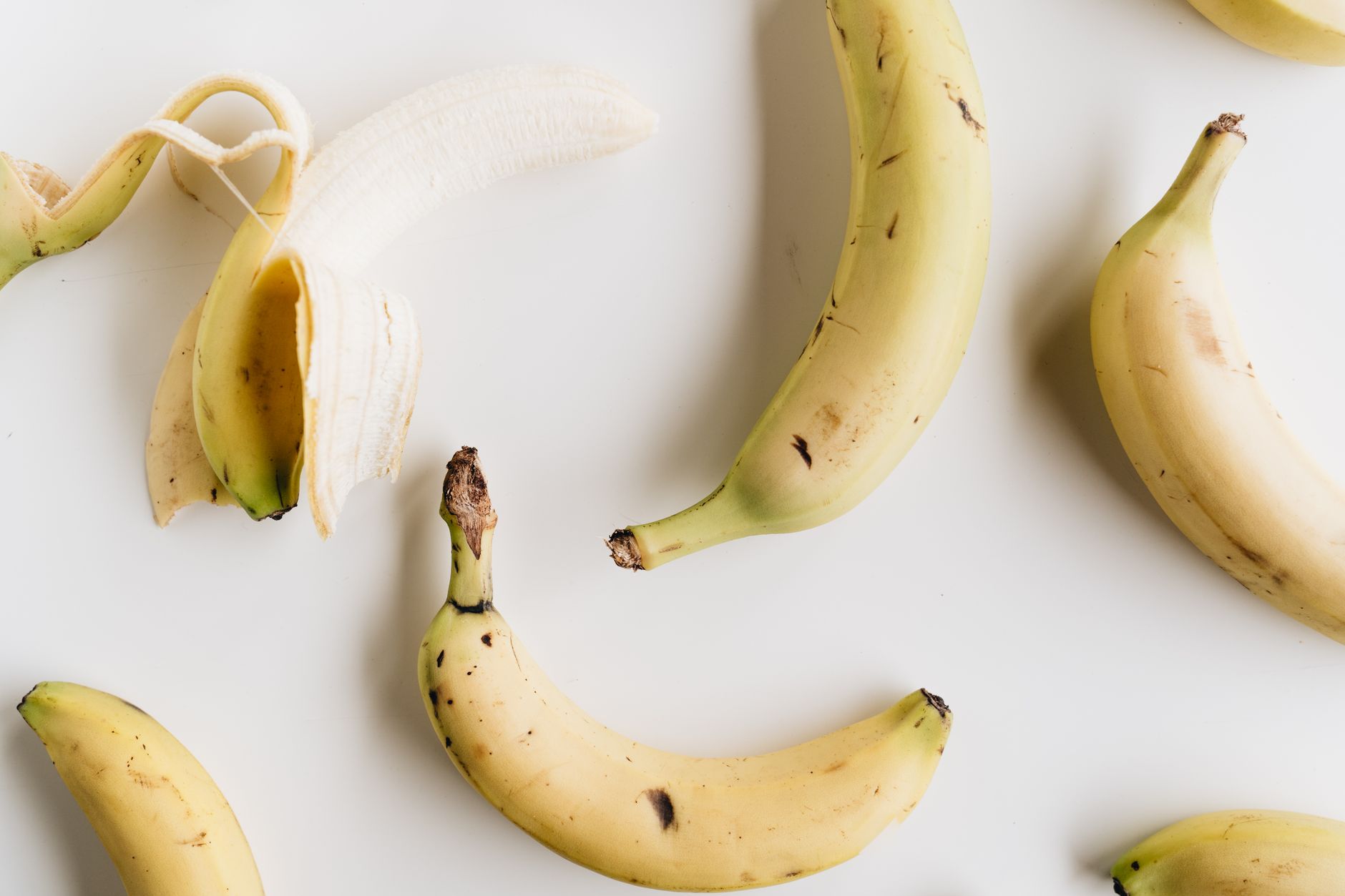
- Bananas – A medium banana (approximately 118 grams) contains about 422 mg of potassium. This versatile fruit can be eaten raw, added to smoothies, or used in baking.
- Avocados – One whole avocado (around 150 grams) offers approximately 975 mg of potassium. Use them in salads, sandwiches, or as a creamy base for dressings.
- Oranges – A medium orange (about 131 grams) contains about 237 mg of potassium. Enjoy it fresh, as juice, or in light salads.
- Potatoes – A medium-sized baked potato (about 173 grams) provides about 926 mg of potassium. Serve them as a side or mash for a comforting dish.
- Sweet Potatoes – A medium sweet potato (approximately 130 grams) contains around 542 mg of potassium. Roast, mash, or add to soups for a sweet flavor.
- Tomatoes – One medium tomato (approximately 123 grams) offers about 292 mg of potassium. Eat fresh in salads or cook into sauces.
- Melons (Watermelon and Cantaloupe) – One slice (about 152 grams) of watermelon contains approximately 170 mg, while a cup of cantaloupe (about 177 grams) has about 427 mg of potassium. Perfect for summer dishes or fruit salads.
Vegetables High in Potassium
- Spinach – A cup of cooked spinach (about 180 grams) contains around 839 mg of potassium. Use it in soups, stews, or sauté it as a side.
- Swiss Chard – One cup cooked (about 175 grams) contains roughly 961 mg of potassium. It adds great flavor to stir-fries and salads.
- Beet Greens – One cup cooked (about 144 grams) has about 1397 mg potassium; great for sautéing or adding to soups and stews.
- Mushrooms – A cup of cooked mushrooms (approximately 145 grams) contains around 428 mg of potassium. They work well in stir-fries or as toppings on various dishes.
- Brussels Sprouts – A cup cooked (approximately 156 grams) offers about 494 mg of potassium. They’re delicious when roasted or sautéed with garlic.
- Carrots – A cup cooked (about 128 grams) provides approximately 332 mg of potassium. Roast them, or add to salads and soups for added sweetness.
Legumes and Grains High in Potassium
- Lentils – One cup cooked (approximately 198 grams) provides about 731 mg of potassium. Great in soups, stews, and salads!
- Kidney Beans – A cup cooked (approximately 177 grams) contains about 607 mg of potassium. Use in chili, salads, or veggie burgers.
- Chickpeas – One cup cooked (around 164 grams) has about 474 mg of potassium. Perfect for making hummus or adding to salads.
- Quinoa – One cup cooked (approximately 185 grams) offers roughly 318 mg of potassium. A great base for bowls or as a side dish.
- Oatmeal – A cup cooked (approximately 234 grams) contains around 164 mg of potassium. Good for breakfast topped with fruits or nuts.
Nuts, Seeds, and Dairy Items
- Almonds – One ounce (about 28 grams) contains approximately 208 mg of potassium. Snack on them raw or use in baking and cooking.
- Sunflower Seeds – One ounce (about 28 grams) contains about 290 mg of potassium. Great as a snack, topping for salads, or in granola.
- Yogurt – One cup (about 245 grams) has approximately 531 mg of potassium. Enjoy plain or with fruit for breakfast or a snack.
- Milk – One cup (about 240 ml) contains around 366 mg of potassium. Use in cooking, baking, or as a beverage.
- Cheese (Low-fat) – One ounce (about 28 grams) typically has around 180 mg of potassium. Use in salads, sandwiches, or as a snack.
Seafood and Meat High in Potassium
- Salmon – A 3-ounce serving (about 85 grams) contains approximately 326 mg of potassium. Grilled, baked, or poached, it’s a flavorful protein source.
- Tuna – A 3-ounce serving (around 85 grams) holds about 484 mg of potassium. Excellent for salads, sandwiches, or casseroles.
- Chicken Breast – A 3-ounce cooked serving (about 85 grams) contains around 256 mg of potassium. Versatile for various meals from stir-fries to salads.
- Pork Tenderloin – A 3-ounce serving (approximately 85 grams) has around 380 mg of potassium. Great when roasted or grilled.
- Beef – A 3-ounce serving (about 85 grams) of beef contains approximately 270 mg of potassium. Use in stews, roasts, or stir-fries.
How to Incorporate More Potassium into Your Diet
Once you are familiar with potassium-rich foods, the next step is incorporating them into your daily meals. Here are some practical tips:
- Start with Breakfast: Add bananas or a dollop of almond butter to your morning oatmeal. Mix yogurt with fruits like berries and nuts for a potassium boost.
- Make Lunchtime Count: Toss spinach or Swiss chard into your salads. Include chickpeas or kidney beans as a protein source in grain bowls.
- Dinner Delights: Use potatoes and sweet potatoes as side dishes. Incorporate seafood, such as salmon or tuna, and serve with steamed broccoli for a well-rounded meal.
- Snacks and In-Between: Keep potassium-rich snacks on hand, like nuts, yogurt, or cut-up veggies. This helps maintain energy levels throughout the day.
- Cooking with Legumes: Use lentils or beans in soups and stews; they’re not only high in potassium but also provide plentiful protein and fiber.
Common Mistakes to Avoid When Increasing Potassium
As you increase your potassium intake, consider these potential pitfalls:
- Ignoring Portion Sizes: Even potassium-rich foods can lead to excessive intake if consumed in excessive amounts. Monitoring portion sizes is crucial.
- Automatic Assumptions: Not every fruit or vegetable is high in potassium. Always check nutrient content to ensure you’re choosing wisely.
- Overlooking Processed Foods: Many processed foods have added sugars and unhealthy fats and can be low in nutrients, including potassium. Whole, natural foods are a better option.
- Neglecting Hydration: Be mindful that potassium works best in balance with sodium and water. Ensure you’re drinking enough fluids to support kidney function.
Conclusion
Including potassium-rich foods in your diet is essential for overall health and wellbeing. By knowing which foods to incorporate and understanding their potassium content, you can effectively enhance your meals. Consider making small changes to your routine, such as adding more fruits, vegetables, legumes, and whole grains, to help you meet your potassium needs.
Take a moment to explore related topics and recipes that can further enhance your culinary experiences. You might enjoy our lima beans recipe or check out the delightful flavors in our purple sweet potato recipe for more delicious, potassium-rich options.