
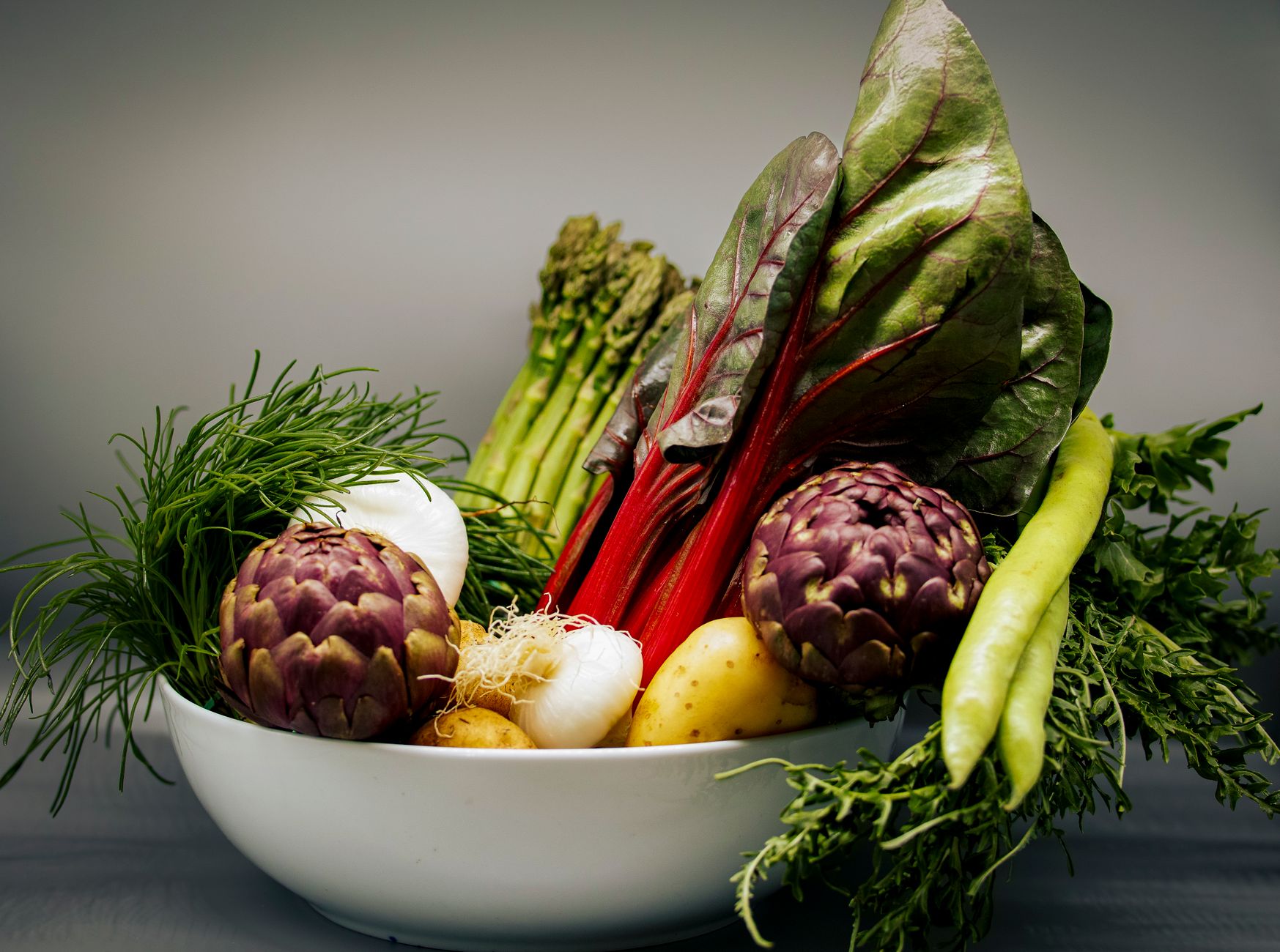
Irritable Bowel Syndrome (IBS) is a common gastrointestinal disorder that affects a significant portion of the population. Managing the condition often relies heavily on dietary choices. Understanding which foods can help alleviate IBS symptoms can pave the way for a more comfortable and enjoyable eating experience.
This article will explore the types of foods that are good for IBS, focusing on ingredients that can help minimize symptoms, promote gut health, and maintain overall well-being.
What Foods Are Good For IBS?
Foods that are beneficial for IBS tend to be low in FODMAPs, rich in fiber, and contain healthy fats and proteins. By focusing on these categories, individuals with IBS can better manage symptoms and promote digestive health.
Understanding FODMAPs
The term FODMAP stands for fermentable oligosaccharides, disaccharides, monosaccharides, and polyols. These are short-chain carbohydrates that some individuals may struggle to digest. The low FODMAP diet has gained popularity as an effective way to manage IBS symptoms. Here are the primary categories of FODMAPs:
- Oligosaccharides: Found in wheat, rye, onions, and garlic.
- Disaccharides: Lactose-containing foods like milk and yogurt.
- Monosaccharides: Fructose-rich foods such as apples and honey.
- Polyols: Sugar alcohols that can be present in some fruits and artificial sweeteners.
Low FODMAP Foods to Include
When selected carefully, certain low FODMAP foods can help alleviate IBS symptoms. Below are some categories and examples of foods to consider:
Fruits
- Bananas
- Blueberries
- Strawberries
- Oranges
- Pineapple
These fruits are not only low in FODMAPs but also rich in vitamins and antioxidants, making them beneficial for overall health.
Vegetables
- Carrots
- Parsnips
- Spinach
- Bell peppers
- Zucchini
Many leafy greens and root vegetables are low FODMAP and can add essential nutrients without triggering IBS symptoms.
Grains
- Rice
- Quinoa
- Gluten-free oats
- Polenta
Opting for gluten-free varieties can help those sensitive to gluten while providing necessary carbohydrates for energy.
Proteins
- Lean meats (chicken, turkey, beef)
- Fish and shellfish
- Eggs
- Firm tofu
Protein sources like these can help maintain muscle mass and keep you full without aggravating IBS symptoms.
Dairy Alternatives
- Lactose-free milk
- Almond milk
- Coconut milk
- Rice milk
Choosing lactose-free products can prevent discomfort for those who are lactose intolerant while still enjoying dairy-like options.
Nuts and Seeds
- Almonds (in moderation)
- Chia seeds
- Flaxseeds
These provide healthy fats, fiber, and protein, but it’s important to monitor intake to avoid excess fiber that may irritate the gut.
Foods to Avoid with IBS
In addition to knowing what to eat, it is crucial to identify foods that might exacerbate IBS symptoms. Common triggers include:
- Certain fruits: Apples, pears, and cherries (high in fructose)
- High-FODMAP vegetables: Garlic, onions, and cauliflower
- Dairy products: Milk, soft cheeses, and yogurts (high in lactose)
- Wheat products: Breads, pasta, and cereals with gluten
- Sugary treats: Sweets containing high fructose corn syrup or sugar alcohols
Understanding Trigger Foods
Each person with IBS may react differently to certain foods, so it is essential to keep a food diary to identify personal triggers. This diary can help track foods eaten and any related symptoms, allowing for better management of dietary choices.
Meal Planning for IBS
Meal planning can be a highly effective strategy for managing IBS while ensuring a well-balanced diet. Here are some practical tips for meal planning:
Batch Cooking
Preparing foods in batches and freezing them can save time and make it easier to stick to a low FODMAP diet. Consider making the following:
- Soups made with low FODMAP vegetables and broth.
- Simple grain salads with quinoa, veggies, and a source of protein.
- Cooked chicken or turkey that can be added to various meals throughout the week.
Creating Balanced Meals
Each meal should aim to include all three macronutrients: carbohydrates, proteins, and fats. Here are some balanced meal ideas:
- Quinoa salad with spinach, bell peppers, and grilled chicken.
- Stir-fried zucchini, carrots, and firm tofu served over rice.
- Omelet with spinach and topped with avocado.
Healthy Snacks
Snacking can be tricky for those with IBS. However, healthy options include:
- Rice cakes with almond butter
- Homemade chia seed pudding (see this recipe)
- Fresh fruit like strawberries or blueberries
Cooking Techniques for IBS
The way food is prepared can significantly impact digestion as well. Here are some gentle cooking techniques that are typically well-tolerated:
Steaming
Steaming retains most of the nutrients and is an easy way to cook vegetables. Steamed veggies can be added to salads, noodles, or served with protein dishes.
Baking
Baking is another gentle cooking method, particularly for proteins. Aim for lean meats, and consider using olive oil or cooking sprays to limit excessive fats.
Slow Cooking
Utilizing a slow cooker can be an excellent way to prepare hearty soups or stews with low FODMAP ingredients. This method allows flavors to develop without the need for high-fat ingredients.
Probiotics and Gut Health
Probiotics play a fundamental role in digestive health. Incorporating foods rich in probiotics can help balance gut bacteria and minimize IBS symptoms. Consider adding:
- Lactose-free yogurt
- Kefir (dairy or non-dairy)
- Fermented foods such as kimchi or sauerkraut (ensure they are low FODMAP)
For more information about foods with probiotics, check out this guide.
Making Dietary Adjustments
Embarking on a low FODMAP diet can be overwhelming at first. Here are essential tips for making this dietary adjustment smoother:
Gradual Changes
Instead of making drastic dietary changes all at once, gradually introduce low FODMAP foods while removing high FODMAP options. This approach allows your body to adjust and makes it easier to monitor symptoms.
Consult a Professional
Working with a dietitian familiar with low FODMAP diets can provide personalized guidance and meal plans. They can help navigate the initial 6-8 weeks of strict diet control and aid in reintroducing foods systematically.
Stay Hydrated
Maintaining adequate hydration is essential for digestive health. Drink plenty of water throughout the day, and consider herbal teas that can soothe the digestive tract.
Common Mistakes and Troubleshooting
As you begin to manage IBS through diet, several common pitfalls can arise:
Overconsumption of Fiber
While fiber is an essential part of a healthy diet, too much fiber, especially in the form of legumes and whole grains, can trigger symptoms. Gradually increase fiber intake and monitor how your body responds.
Ignoring Portion Sizes
Even low FODMAP foods can cause issues if consumed in large quantities. Watching portion sizes can help mitigate symptoms.
Neglecting Food Labels
Processed foods often contain hidden FODMAPs, such as garlic and onion powder. Always check labels and choose products that are specifically marked as low FODMAP when possible.
Storage and Reheating
Understanding how to store and reheat foods safely can also aid in digestive health:
Storage Tips
Store leftovers promptly and safely to prevent spoilage. Use airtight containers for storage, and keep refrigerated foods in the fridge for a maximum of three to four days. Freezing is a great option for longer storage.
Reheating Guidance
When reheating, ensure that foods are heated to appropriate temperatures (at least 165°F or 74°C) to maintain food safety. Using gentle reheating methods, such as stovetop or microwave, can help preserve texture and flavor while ensuring that foods are heated evenly.
Managing IBS through diet necessitates mindfulness and experimentation. By focusing on low FODMAP foods, balancing meals, and making practical cooking choices, individuals can enjoy a satisfying diet that minimizes symptoms and promotes overall gut health.
If you’re looking for related recipes or cooking tips, explore our chia pudding recipe or learn about foods with probiotics. These resources can further enhance your culinary journey while managing IBS.