
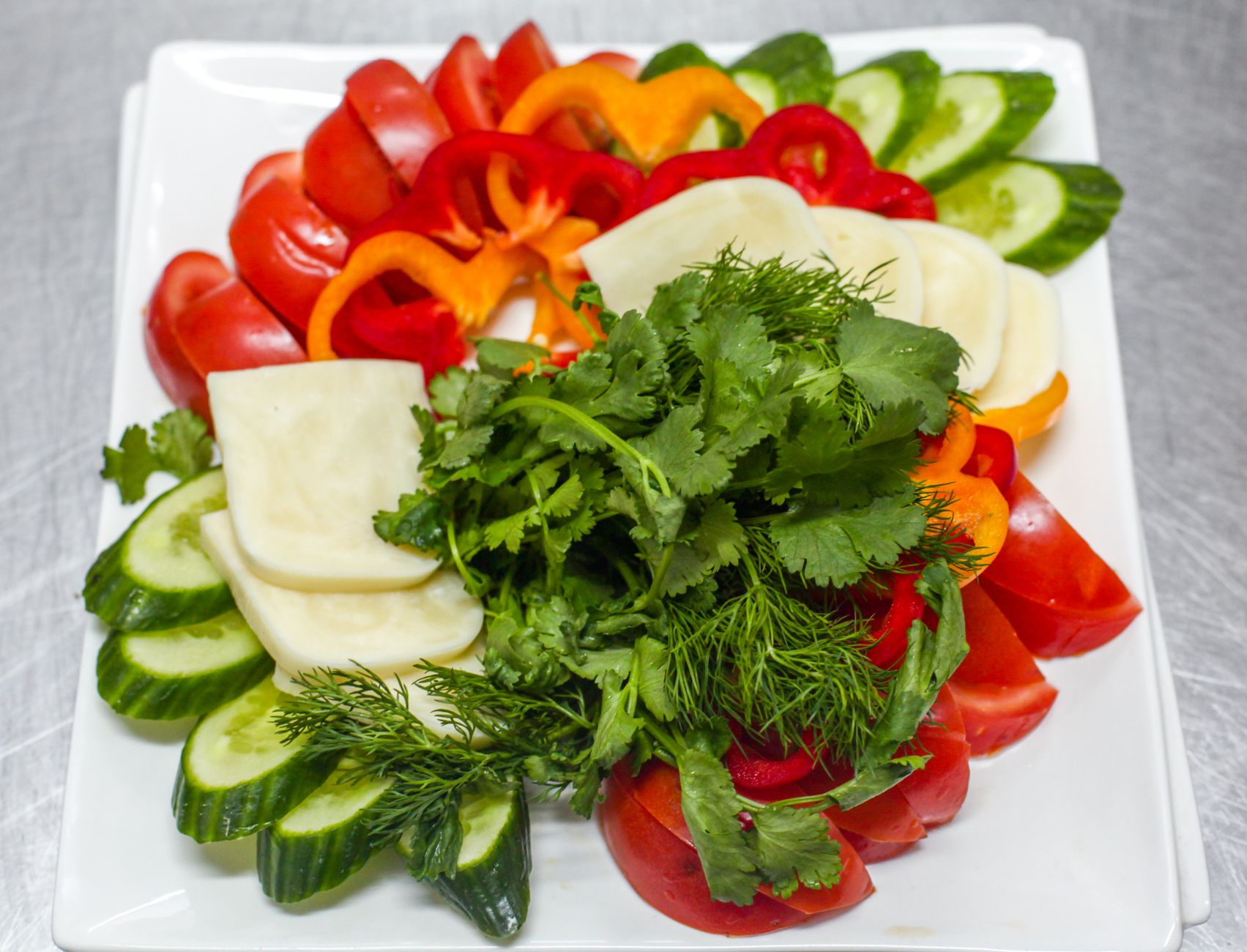
Cyclospora is a microscopic parasite that can cause foodborne illness, and understanding which foods are affected is crucial for safe dining. This article will detail the foods commonly linked to cyclospora outbreaks, ways to minimize risk, and useful information to keep your meals safe.
By being aware of the foods associated with this parasite, you can make more informed decisions when shopping, preparing meals, and dining out. This guide will cover the types of foods typically involved, symptoms of cyclospora infection, and practical tips to avoid contamination.
What Foods Are Affected by Cyclospora?
Cyclospora is commonly associated with contaminated food, particularly fresh produce. The foods most notably linked to cyclospora infections include:
- Leafy greens (like lettuce and spinach)
- Berries (such as strawberries and raspberries)
- Herbs (like cilantro and basil)
- Other fresh fruits and vegetables
- Unpasteurized water or beverages
The link between cyclospora and these foods can stem from several factors, including improper handling, inadequate washing, and contamination during growth, harvesting, or processing. Let’s explore each food category in detail.
Leafy Greens
Leafy greens, particularly lettuce and spinach, are the most frequently reported foods involved in cyclospora outbreaks. These vegetables are often consumed raw in salads, which increases the risk of ingesting the parasite if not properly washed. Contamination can occur due to:
- Soil contaminated with cyclospora from animals or human feces.
- Water used for irrigation that is tainted.
- Cross-contamination from equipment or during food preparation.
Berries
Berries, specifically strawberries, raspberries, and blackberries, have been implicated in several cyclospora outbreaks. Like leafy greens, they are typically eaten raw, providing an opportunity for exposure. Key factors include:
- Contamination during cultivation or harvesting.
- Handling by workers who may not follow proper hygiene protocols.
- Water used during rinsing that may be contaminated.
Herbs
Fresh herbs such as cilantro and basil have also been linked to cyclospora cases. These herbs often grow close to the ground and can be exposed to contaminated soil or water. The significant points to consider are:
- Soil and irrigation water quality during growth.
- Improper washing before consumption.
- Cross-contamination in kitchens or food handling areas.
Other Fresh Fruits and Vegetables
In addition to greens, berries, and herbs, other fresh fruits and vegetables can also carry the cyclospora parasite. This can include:
- Tomatoes
- Peppers
- Cucumbers
- Carrots
Similar to the other fresh items, the risk largely comes from contamination during farming, harvesting, and preparation stages.
Unpasteurized Water and Beverages
Drinking unpasteurized water can introduce cyclospora into your system. This risk is particularly relevant in areas where clean drinking water isn’t available. Be cautious with:
- Ice made from untreated water.
- Beverages containing fresh ingredients, like smoothies, that use contaminated fruits or water.
Symptoms of Cyclospora Infection
Understanding the symptoms of a cyclospora infection is critical for early detection and treatment. Symptoms typically appear about 1 to 2 weeks after exposure and can include:
- Watery diarrhea
- Fatigue
- Weight loss
- Bloating and gas
- Stomach cramps
- Nausea
- Loss of appetite
These symptoms can last for several weeks and may sometimes recur. If you suspect you have a cyclospora infection, it is essential to consult a healthcare professional.
How to Reduce the Risk of Cyclospora
Fortunately, there are several straightforward methods to help minimize the risk of contracting cyclospora, especially related to fresh foods. Consider the following tips when shopping, preparing, and consuming food:
Purchasing Food
- Buy fresh produce from reputable sources, ideally from local farmers’ markets or certified organic sellers.
- Avoid pre-cut or pre-washed fruits and vegetables that might have higher exposure risks.
- Check recalls and food safety alerts from the CDC or FDA for any recent cyclospora-related warnings.
Washing Produce
Properly washing produce is vital for removing dirt, bacteria, and potential parasites:
- Rinse all fresh fruits and vegetables under running water, even if you plan to peel them.
- For leafy greens, separate the leaves and wash them individually.
- Use a clean scrub brush to wash firm fruits and vegetables like potatoes or cucumbers.
- Consider using a vinegar or saltwater solution for additional cleaning, though thorough rinsing is still necessary.
Storage Tips
Proper food storage can help reduce the risk of contamination as well:
- Store fruits and vegetables at appropriate temperatures, typically in the refrigerator for most fresh produce.
- Keep raw foods separate from ready-to-eat items to avoid cross-contamination.
- Consume fresh produce within a few days to ensure freshness and reduce spoilage risk.
Cooking and Food Safety Practices
While many foods linked with cyclospora are consumed raw, cooking can eliminate a wide range of bacteria and parasites. Here are some essential cooking practices:
- If cooking fresh produce, ensure it reaches a safe internal temperature.
- Employ a thermometer to verify temperatures, especially for animal products used in conjunction with vegetables.
- Thoroughly clean cooking surfaces, utensils, and countertops after preparing raw ingredients.
Conclusion and Final Thoughts
Understanding the foods affected by cyclospora is essential for safe eating practices. By being informed and following the necessary preventive measures, you can reduce your risk of infection and enjoy fresh produce safely. Remember to wash your fruits and vegetables, stay updated on food recalls, and observe safe food handling practices.
Take action now by reviewing your food safety practices, ensuring that you’re not only enjoying your meals but also protecting your health. Consider exploring more about effective cooking methods, food safety tips, or meal planning strategies to further enhance your culinary experiences.