
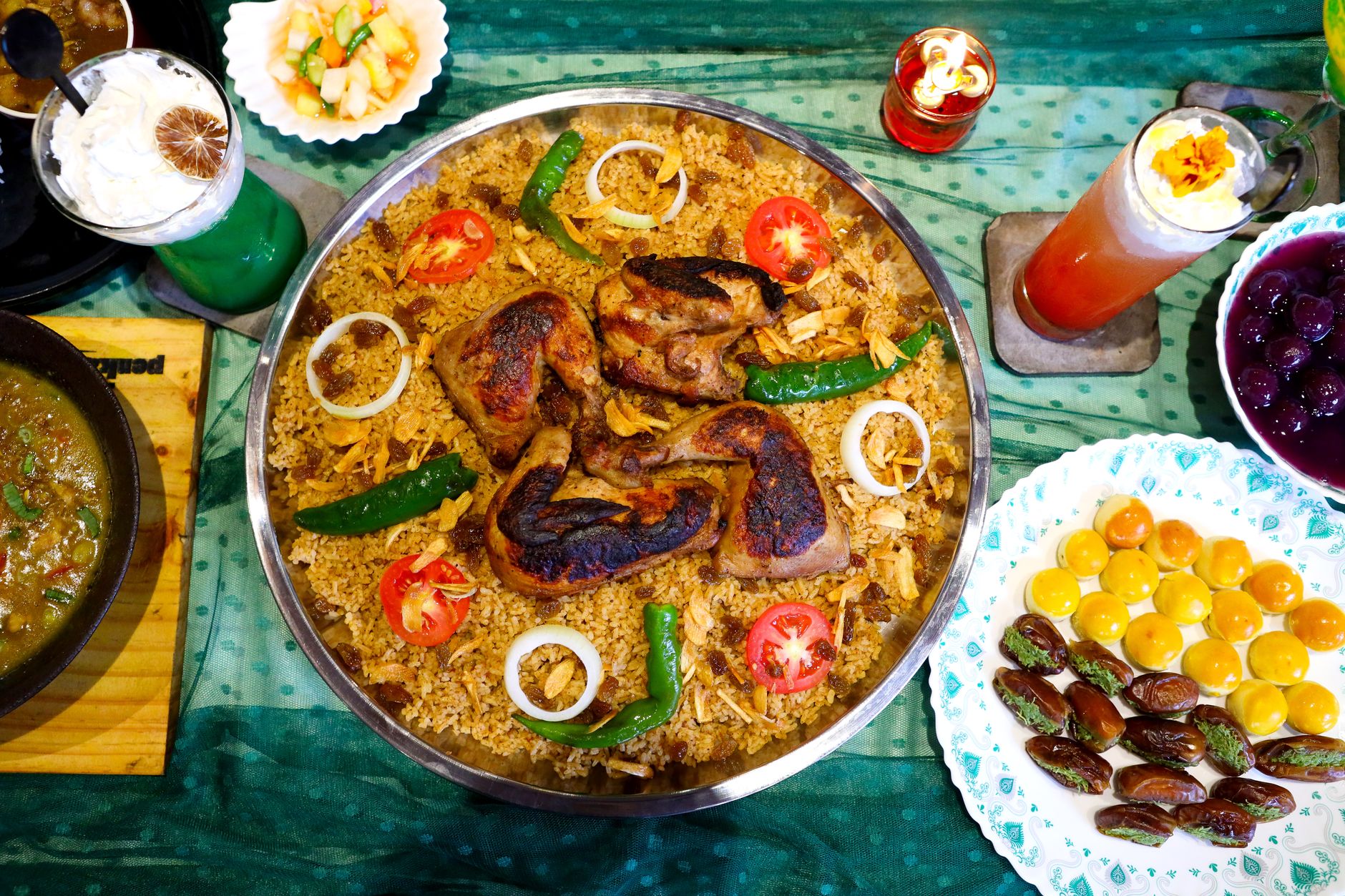
Kuwaiti cuisine is a colorful and diverse blend of flavors that showcases the rich cultural heritage of the region. Drawing from its historical maritime connections and its position on trade routes, the food reflects a unique combination of Middle Eastern, Indian, and Persian influences. Understanding what food Kuwait offers allows one to appreciate its authentic recipes, local ingredients, and traditional cooking techniques.
This guide explores the essential dishes, key ingredients, and popular serving ideas that embody the Kuwaiti culinary experience. From hearty stews to flavorful rice dishes, there’s something for everyone to discover and enjoy.
What Food Kuwait?
Food in Kuwait is characterized by its rich flavors and aromatic spices, primarily featuring ingredients such as rice, meats, seafood, and a variety of vegetables. Traditional Kuwaiti dishes often incorporate generous doses of saffron, cardamom, and other spices, creating warm and fragrant meals. Besides local ingredients, Kuwaiti cuisine reflects both Bedouin traditions and the influence of the sea.
Essential Ingredients in Kuwaiti Cuisine
A comprehensive understanding of Kuwaiti food requires knowing its staple ingredients. Below are some primary components used in Kuwaiti cooking:
- Rice: Long-grain basmati rice is the most used variety, forming the base of many dishes.
- Meat: Lamb, chicken, and beef are commonly used, often marinated and slow-cooked for tenderness.
- Seafood: Fresh fish and shrimp are frequent in coastal areas, especially in dishes like machboos.
- Spices: Key spices include cumin, coriander, turmeric, cinnamon, and cardamom, which add depth to the flavor of various dishes.
- Lentils: Used in soups and salads, lentils are a source of protein and are integral to several traditional meals.
- Nuts and Dried Fruits: Almonds, cashews, and dates are often used in desserts and as accompaniments in various meals.
- Herbs: Fresh herbs such as parsley, mint, and coriander are used for garnishing and enhancing flavors.
Common Cooking Techniques
Cooking methods in Kuwaiti cuisine often reflect intricate techniques aimed at achieving richly flavored meals. Some common methods include:
- Slow Cooking: Stews and rice dishes like machboos benefit from slow cooking to meld flavors and tenderize ingredients.
- Grilling: Marinated meats are often grilled or skewered, presenting robust flavors that are smoky and rich.
- Steaming: Seafood is often steamed to maintain its natural flavors, accompanied by herb and spice rubs.
- Frying: Snacks such as samosas and finger foods are fried for a crispy texture that complements their fillings.
Traditional Kuwaiti Dishes
Exploring the vibrant cuisine of Kuwait is best accomplished by diving into some iconic dishes. Here are several must-try meals to consider:
Machboos
Machboos, often considered the national dish of Kuwait, is a flavorful rice dish made with spices, onions, tomatoes, and chicken or lamb. Its savoriness, coupled with the fragrant spices, makes it a delightful comfort food.
Ingredients for Machboos
- 4 cups basmati rice
- 1 kg chicken or lamb, cut into pieces
- 4 onions, finely chopped
- 4 tomatoes, chopped
- 4 cloves garlic, minced
- 3 tbsp machboos spices (cumin, cardamom, coriander, cinnamon)
- 4 cups chicken or beef stock
- Salt to taste
- 3 tbsp vegetable oil
Cooking Method
- In a large pot, heat the vegetable oil over medium heat.
- Add the chopped onions and sauté until golden brown.
- Stir in the minced garlic and cook for an additional minute.
- Add the chicken or lamb pieces and cook until browned.
- Mix in the chopped tomatoes and machboos spices, letting it cook until the tomatoes soften.
- Pour in the stock and bring the mixture to a boil; add salt to taste.
- Add the rice to the pot, stir well, and reduce the heat. Cover and simmer for about 30 minutes or until the rice and meat are cooked through.
- Allow resting for 10 minutes before serving.
Shawarma
This popular street food option is made from thinly sliced marinated meat, often being chicken or lamb, grilled and served in flatbread with fresh vegetables and sauces. Shawarma offers a mix of flavors and is typically enjoyed as a quick lunch or dinner option.
Ingredients for Shawarma
- 500g chicken or lamb, thinly sliced
- 2 cloves garlic, minced
- 2 tbsp yogurt
- 1 tsp cumin
- 1 tsp paprika
- Salt and pepper to taste
- Flatbreads or pita bread for serving
- Fresh vegetables (cucumbers, tomatoes, lettuce)
- Garlic sauce or tahini for dressing
Cooking Method
- In a bowl, combine garlic, yogurt, cumin, paprika, salt, and pepper.
- Marinate the sliced meat in this mix for about 1 hour.
- Grill the marinated meat on high heat until charred and cooked through.
- Assemble the grilled meat in flatbreads with fresh vegetables and sauces.
Harees
Harees is a traditional dish made from ground wheat and meat, slow-cooked to create a creamy and thick consistency. It is particularly popular during Ramadan and special occasions.
Ingredients for Harees
- 1 cup wheat grains (or wheat flour)
- 500g lamb or chicken
- 4 cups water
- Salt to taste
- 1 tsp cinnamon
- 3 tbsp ghee or clarified butter
Cooking Method
- Soak wheat grains in water overnight, then drain.
- In a pot, combine drained wheat, meat, water, and salt. Bring to a boil.
- Reduce heat to low, cover, and let it simmer for about 3 hours, or until the wheat is soft.
- Stir in ghee and cinnamon, mixing until well combined.
Popular Snacks and Street Food
Kuwaiti snacks often carry a bold flavor profile, with many available from street vendors. Here are a few popular choices:
Samboosas
These savory pastries filled with meat, lentils, or vegetables are usually deep-fried and serve as a popular snack or appetizer, especially during festive occasions.
Ingredients for Samboosas
- 1 cup all-purpose flour
- 1 cup filling (ground meat, spiced vegetables, or lentils)
- Salt and pepper to taste
- Oil for frying
Cooking Method
- Prepare the filling and allow it to cool.
- Roll out the dough and cut circles; place filling in the center of each circle.
- Fold over to form a triangle and seal the edges.
- Heat oil in a deep pan and fry until golden brown.
Traditional Kuwaiti Desserts
Naturally sweet and aromatic, Kuwaiti desserts often highlight the use of dates, nuts, and aromatic spices.
Basbousa
Basbousa, also known as hareeseh, is a moist semolina cake soaked in sugar syrup, often garnished with almonds.
Ingredients for Basbousa
- 2 cups semolina
- 1 cup sugar
- 1 cup yogurt
- 1 cup milk
- 1 tsp baking powder
- 1/2 cup melted butter
- Sugar syrup for drizzling
Cooking Method
- In a bowl, mix semolina, sugar, yogurt, milk, baking powder, and melted butter.
- Pour into a greased cake pan and smooth the top.
- Bake at 180°C (350°F) for about 30 minutes or until golden brown.
- Once cooled, drizzle sugar syrup over the cake.
Dates Stuffed with Nuts
A simple yet popular dessert, these are often served alongside coffee and symbolize hospitality. Fresh dates are filled with almonds or walnuts, offering a delightful sweetness.
Ingredients for Stuffed Dates
- 12 fresh dates
- 1/2 cup nuts (almonds or walnuts)
Preparation Method
- Cut a slit in each date and remove the pit.
- Fill each date with a nut of choice and press gently to secure.
Drinks and Beverages
To complement Kuwaiti meals, various traditional beverages are enjoyed, including tea and coffee, spiced with cardamom or saffron. Here are the main beverages:
Kuwaiti Qamar al-Din
This refreshing apricot juice is especially popular during Ramadan and hot summery days.
Preparation Method
- Soak dried apricot strips in water overnight.
- Blend the soaked apricots with water until smooth and strain if necessary.
- Serve chilled or over ice.
Karak Tea
A popular tea infused with spices, karak tea combines black tea, milk, and cardamom for a rich and aromatic experience.
Ingredients for Karak Tea
- 2 cups water
- 2 tbsp black tea leaves
- 1 cup milk
- 2 cardamom pods
- Sugar to taste
Preparation Method
- Boil water and add tea leaves and cardamom. Simmer for about 5 minutes.
- Strain the tea into another pot, add milk, and sugar, then bring it back to a simmer.
- Serve hot.
Conclusion
Kuwaiti cuisine is a delightful exploration of flavors and traditions worth experiencing. Incorporating spices, rice, and aromatic herbs, these dishes represent the country’s rich culinary heritage. Whether you choose to attempt purring together a traditional meal at home, or savor a plate of machboos or samboosas from a local vendor, exploring what food Kuwait has to offer will broaden your palate and enrich your culinary skills.
For more insights on different regional cooking styles and delicious recipes, feel free to explore additional resources for enriching your culinary adventure.