
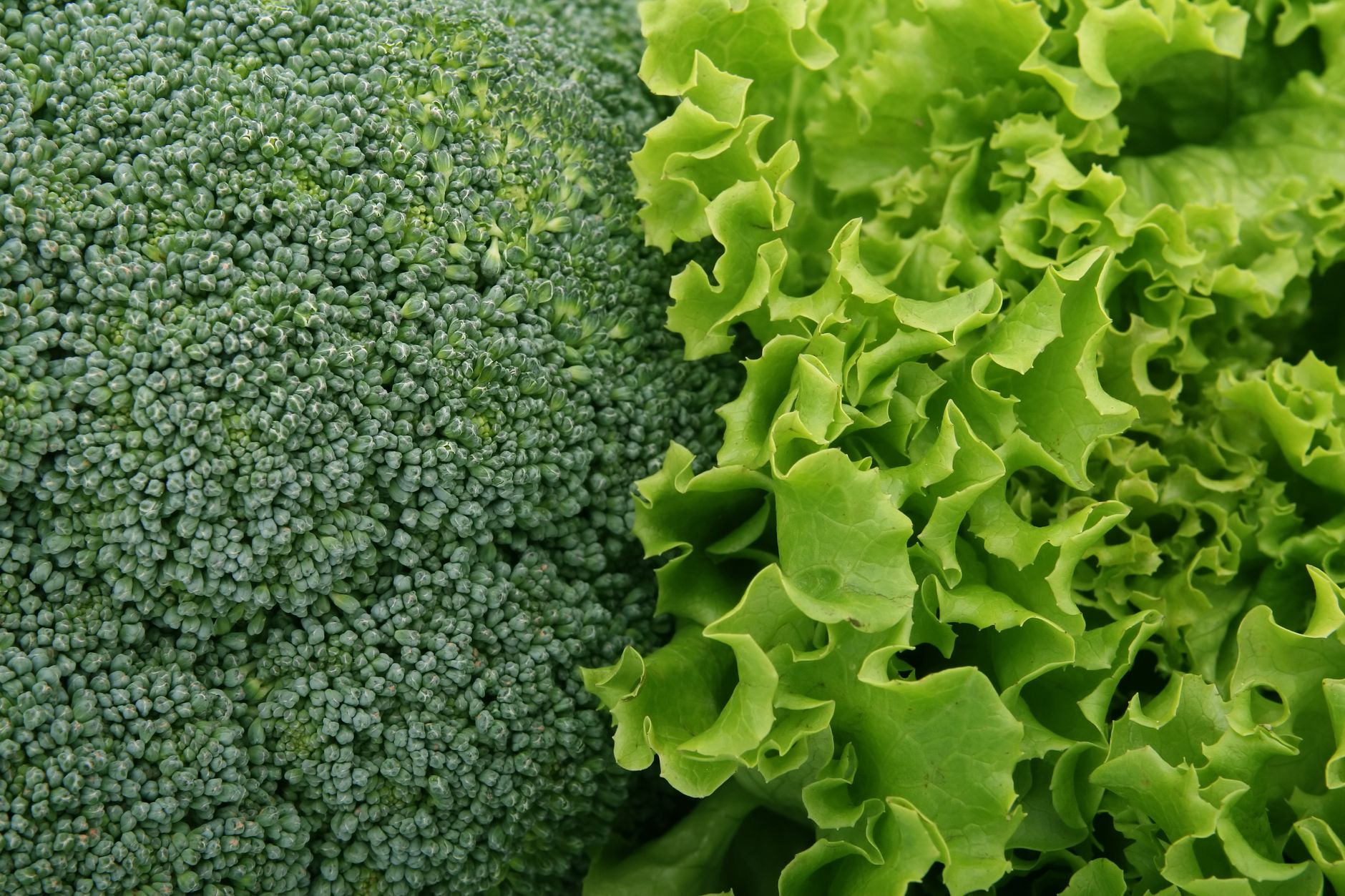
Folate, also known as vitamin B9, is a crucial nutrient that promotes healthy cell growth and metabolism. It plays an essential role, especially during pregnancy, as it helps in the formation of the neural tube in developing embryos. Knowing what foods are rich in folate can help you maintain a balanced diet and support overall health.
This article will explore various foods that are good sources of folate. You’ll find an ingredient guide detailing nutritious options, practical uses, and creative serving ideas to incorporate folate-rich foods into your meals.
What Food Has Folate?
Folate is found in a variety of foods, primarily in leafy greens, legumes, fruits, nuts, seeds, and fortified products. Consuming a diverse diet that includes these foods can easily meet the daily recommended intake of folate, making it easier to support your health.
Key Sources of Folate
Here are some categories of foods that are excellent sources of folate.
1. Leafy Greens
- Spinach: Raw spinach contains about 58 mcg of folate per 100 grams. Incorporate it into salads, smoothies, or sauté it with garlic for a tasty side dish.
- Kale: With approximately 141 mcg of folate per 100 grams, kale is a powerhouse vegetable. Use it in soups, salads, or even as a base for kale chips.
- Swiss Chard: This colorful green provides around 214 mcg of folate per 100 grams. Cook it with olive oil, garlic, and lemon for a delicious vegetable dish.
2. Legumes
- Lentils: Cooked lentils offer up to 181 mcg of folate per cup. They’re versatile in soups, salads, and veggie burgers.
- Black-eyed Peas: Containing about 160 mcg of folate per cup, black-eyed peas can elevate salads or be served as a hearty side dish.
- Chickpeas: With 70 mcg of folate per cup, chickpeas are ideal in hummus, stews, or roasted as a crunchy snack.
3. Fruits
- Avocado: This creamy fruit contains roughly 81 mcg of folate per fruit. Great in salads, spreads, or smoothies, avocados add a luscious texture.
- Oranges: One medium orange provides about 40 mcg of folate. Enjoy it fresh, in juices or salads.
- Bananas: A medium banana has about 24 mcg of folate. They’re a perfect snack on the go or added to breakfast cereals.
4. Nuts and Seeds
- Sunflower Seeds: With approximately 66 mcg of folate per 100 grams, sunflower seeds are a crunchy addition to salads or yogurt.
- Peanuts: These legumes offer around 168 mcg of folate per 100 grams and can be eaten as a snack or included in trail mixes.
- Almonds: About 60 mcg of folate per 100 grams, almonds can be incorporated into nut butter, snacks, or desserts.
5. Fortified Foods
- Cereals: Many breakfast cereals are fortified with folate, providing up to 400 mcg of folate per serving. Check the labels to ensure you’re getting enough.
- Breads: Certain breads, especially whole-grain varieties, are enriched with folate, offering a good source for your daily intake.
Benefits of Folate
Folate is essential for various bodily functions beyond just its role in cellular reproduction. Here are some notable benefits:
- Prevention of Neural Tube Defects: Adequate folate intake before and during pregnancy significantly reduces the risk of defects in the neural tube, which develops into the baby’s spine, brain, and surrounding tissue.
- Support for Red Blood Cell Formation: Folate is vital in producing red blood cells, helping to prevent anemia and ensuring proper oxygen transport in the body.
- Heart Health: Folate may help lower homocysteine levels, an amino acid linked to heart disease. Maintaining healthy homocysteine levels may support cardiovascular health.
- Psychological Wellbeing: Some studies suggest that folate plays a role in mood regulation, potentially reducing the risk of depression.
How to Incorporate Folate-Rich Foods Into Your Diet
Integrating folate-rich foods into your daily meals can be simple. Here are some creative serving ideas:
Breakfast
- Start your day with a smoothie packed with spinach, bananas, and almond milk. Add a tablespoon of sunflower seeds for a crunchy texture.
- Top a slice of whole-grain bread with smashed avocado and a sprinkle of peanuts or sunflower seeds for a nutritious breakfast toast.
Lunch
- Create a refreshing salad mixing kale, orange segments, chickpeas, and a light vinaigrette dressing.
- Prepare a lentil soup using garlic, onions, and Swiss chard to enjoy a savory and fulfilling meal.
Dinner
- Make a stir-fry with broccoli, bell peppers, and black-eyed peas, seasoning it with your favorite soy sauce for added flavor.
- Roast vegetables such as Brussels sprouts and carrots, tossing them with olive oil and garlic, and serve as a side to grilled chicken or fish.
Snacks
- Mix together raw nuts, dark chocolate chips, and dried fruits for a trail mix that includes folate-rich elements.
- Prepare a dip of hummus made from chickpeas, lemon juice, and garlic, served with assorted crunchy veggies.
Storing Folate-Rich Foods
Proper storage of folate-rich foods helps maintain their nutritional value. Here are some tips:
- Leafy Greens: Store in a moisture-controlled environment. Use a breathable bag and keep them in the crisper drawer of the refrigerator.
- Legumes: Keep dried legumes in a cool, dry place. Cooked legumes should be stored in an airtight container in the refrigerator.
- Nuts and Seeds: Store in airtight containers, preferably in the refrigerator to prevent them from going rancid.
- Fruits: Store whole fruits like oranges and avocados at room temperature until they ripen, then transfer to the refrigerator for longevity.
Common Mistakes and Troubleshooting
When incorporating folate-rich foods into your diet, avoid these common pitfalls:
- Relying solely on supplements: While supplements can help bridge gaps, prioritize getting nutrients from whole foods for better absorption.
- Overcooking vegetables: Cooking greens excessively can reduce their folate content. Opt for steaming or quick sautéing to retain more nutrients.
Conclusion
A diet rich in folate is essential for overall health. By incorporating a variety of folate-rich foods into your daily meals, you can enjoy their numerous health benefits while maintaining a well-rounded diet. Start exploring and experimenting with these ingredients today to support your health.
For some delightful recipes, consider trying our chia pudding with coconut milk or a hearty lima bean dish that celebrate nutritious ingredients.