
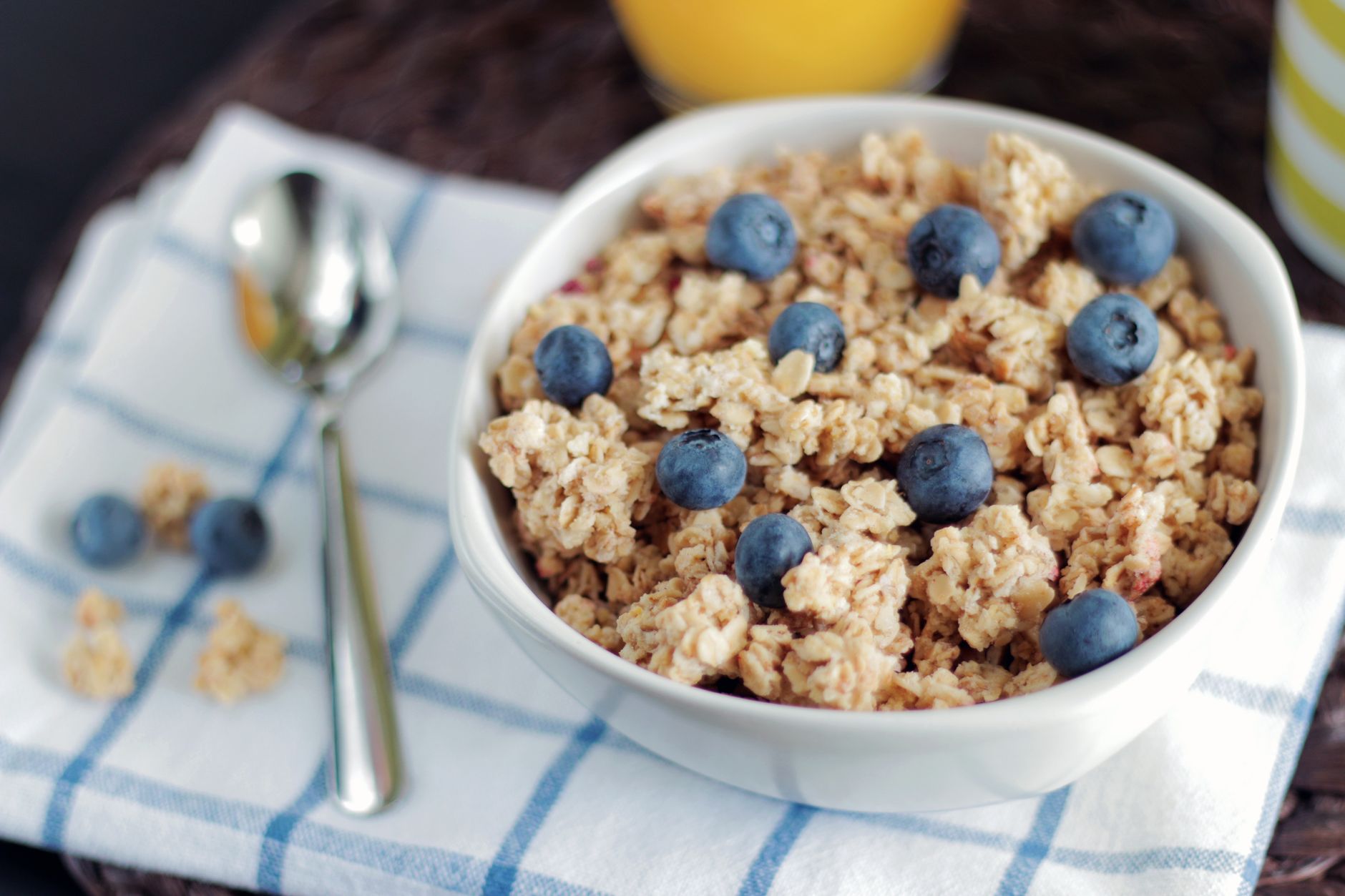
Fiber is an essential nutrient that plays a crucial role in maintaining a healthy digestive system and supporting overall health. However, many people are unsure about which foods are high in fiber and how they can incorporate them into their daily diet. This guide will dive into various fiber-rich foods, their nutrition facts, serving sizes, and practical tips for including fiber in your meals.
The importance of dietary fiber cannot be overstated. It helps regulate blood sugar levels, lowers cholesterol, aids in weight management, and promotes a healthy gut microbiome. Understanding what fiber food options are available and how to enjoy them will empower you to make better dietary choices.
What Fiber Food?
Fiber foods can be classified into two main categories: soluble and insoluble. Soluble fiber dissolves in water and can help lower blood cholesterol and glucose levels, while insoluble fiber adds bulk to stool and promotes regular bowel movements. Both types are essential for a balanced diet and should be included regularly for optimum health.
High-Fiber Foods to Include in Your Diet
Here’s a list of some common high-fiber foods, their approximate serving sizes, and key nutrition facts:
- Legumes:
- Black beans (1 cup cooked): 15 grams of fiber
- Lentils (1 cup cooked): 16 grams of fiber
- Chickpeas (1 cup cooked): 12 grams of fiber
- Whole Grains:
- Quinoa (1 cup cooked): 5 grams of fiber
- Barley (1 cup cooked): 6 grams of fiber
- Oats (1 cup cooked): 4 grams of fiber
- Fruits:
- Avocado (1 medium): 10 grams of fiber
- Raspberries (1 cup): 8 grams of fiber
- Pear (1 medium, with skin): 5 grams of fiber
- Vegetables:
- Artichoke (1 medium): 10 grams of fiber
- Broccoli (1 cup cooked): 5 grams of fiber
- Carrots (1 cup raw): 3.5 grams of fiber
- Nuts and Seeds:
- Chia seeds (1 ounce): 10 grams of fiber
- Almonds (1 ounce): 3.5 grams of fiber
- Flaxseeds (1 ounce): 7 grams of fiber
Daily Fiber Recommendations
The recommended daily fiber intake varies by age and gender. Here’s a general guideline:
- Women: 25 grams per day
- Men: 38 grams per day
- Children (ages 1-3): 19 grams per day
- Children (ages 4-8): 25 grams per day
- Children (ages 9-13): 26 (girls) / 31 (boys) grams per day
- Teens (ages 14-18): 26 (girls) / 38 (boys) grams per day
How to Incorporate More Fiber-Rich Foods in Your Diet
Adding fiber-rich foods to your meals can be simple and enjoyable. Here are some practical tips to increase your fiber intake:
Breakfast
- Start your day with oatmeal topped with chia seeds and fresh berries for an extra fiber boost.
- Opt for whole-grain bread for toast and add avocado and sliced tomatoes.
- Blend a fiber-rich smoothie using spinach, banana, and flaxseeds.
Lunch
- Choose whole-grain wraps or pita pockets filled with hummus, mixed greens, and assorted vegetables.
- Include a side of bean salad or a quinoa salad packed with horn-shaped lentils and vegetables.
- Snack on raw carrots or celery sticks with nut butter for a satisfying crunch.
Dinner
- Add legumes like black beans or lentils to soups and stews for added nutrition.
- Serve a hearty vegetable stir-fry over brown rice or quinoa.
- Utilize whole-grain pasta with tomato sauce and roasted veggies to boost fiber content.
Snacks
- Snack on fresh fruit, such as apples or pears with the skin on, as they are rich in fiber.
- Keep a mix of nuts and dried fruits on hand for portable, high-fiber snacking.
- Popcorn is a great whole grain snack; opt for air-popped to avoid excess fats.
Practical Tips for Increasing Fiber Gradually
Introducing high-fiber foods into your diet should be done gradually to avoid gastrointestinal discomfort. Here are some strategies to help:
- Increase fiber intake slowly over a few days or weeks.
- Drink plenty of water to help with fiber digestion.
- Combine high-fiber foods with lower-fiber options to ease the transition.
- Monitor how your body responds and adjust your intake as needed.
Common Mistakes to Avoid When Increasing Fiber
While including more fiber into your diet is beneficial, there are certain pitfalls to watch out for:
- Not drinking enough water, which can lead to bloating and digestive discomfort.
- Making abrupt changes to your diet, which may overwhelm your digestive system.
- Over-relying on processed foods labeled as “high fiber,” which can be high in sugars or unhealthy fats.
- Neglecting to diversify fiber sources; incorporating both soluble and insoluble fiber is key.
Fiber-Rich Food Substitutions
Understanding fiber-rich food substitutions can also help you achieve your fiber intake goals:
- Substitute white rice with brown rice, quinoa, or barley for more fiber in grain dishes.
- Use whole-wheat flour instead of all-purpose flour in baking recipes for added fiber.
- Replace sugary cereals with whole-grain cereal options packed with fiber.
- Swap out regular pasta for whole grain or legume-based pasta varieties.
Delicious High-Fiber Recipes
Including high-fiber foods in your meals can also be tasty! Here are a couple of recipe ideas that focus on fiber-rich ingredients.
Chickpea Salad
This refreshing salad is not only high in fiber but also offers a range of flavors and textures.
- Yield: 4 servings
- Preparation time: 15 minutes
- Total time: 15 minutes
Ingredients
- 1 can (15 ounces) chickpeas, rinsed and drained
- 1 cup cherry tomatoes, halved
- 1 cucumber, diced
- 1/4 red onion, finely chopped
- 1/4 cup parsley, chopped
- 3 tablespoons olive oil
- 2 tablespoons lemon juice
- Salt and pepper to taste
Method
- In a large bowl, combine chickpeas, cherry tomatoes, cucumber, red onion, and parsley.
- In a separate small bowl, whisk together olive oil, lemon juice, salt, and pepper.
- Pour dressing over salad and toss to combine. Serve chilled or at room temperature.
Oatmeal with Nuts and Berries
This nutritious breakfast bowl is packed with fiber and the energy needed to start the day right.
- Yield: 2 servings
- Preparation time: 5 minutes
- Cooking time: 10 minutes
- Total time: 15 minutes
Ingredients
- 1 cup old-fashioned rolled oats
- 2 cups water or milk
- 1/4 cup almonds, chopped
- 1/2 cup blueberries or raspberries
- 1 tablespoon honey or maple syrup (optional)
- Pinch of salt
Method
- In a medium saucepan, bring water or milk to a boil and add a pinch of salt.
- Stir in the rolled oats and reduce heat to low. Simmer for 5-10 minutes, stirring occasionally until desired consistency is reached.
- Remove from heat and stir in chopped almonds and berries. Drizzle with honey if desired. Serve warm.
Storing High-Fiber Foods
Proper storage of fiber-rich foods extends their shelf life and ensures freshness, making it easier to include them in your meals.
- Store dried legumes like lentils and beans in a cool, dry place in airtight containers.
- Refrigerate fresh fruits and vegetables to preserve their fiber content and prevent spoilage.
- Keep nuts and seeds refrigerated to maintain their quality and flavor.
- Whole grains should be stored in a cool, dark area or refrigerated to avoid becoming rancid.
Integrating more fiber into your diet can be straightforward with the right knowledge and preparation. By focusing on these high-fiber foods and recipes, you can help improve your digestive health and overall well-being.
For more information on fiber content in various foods, check out our detailed articles on fiber in bananas and fiber content in kale. Embrace these fiber-rich options and make them part of your daily meals for a healthier lifestyle.