
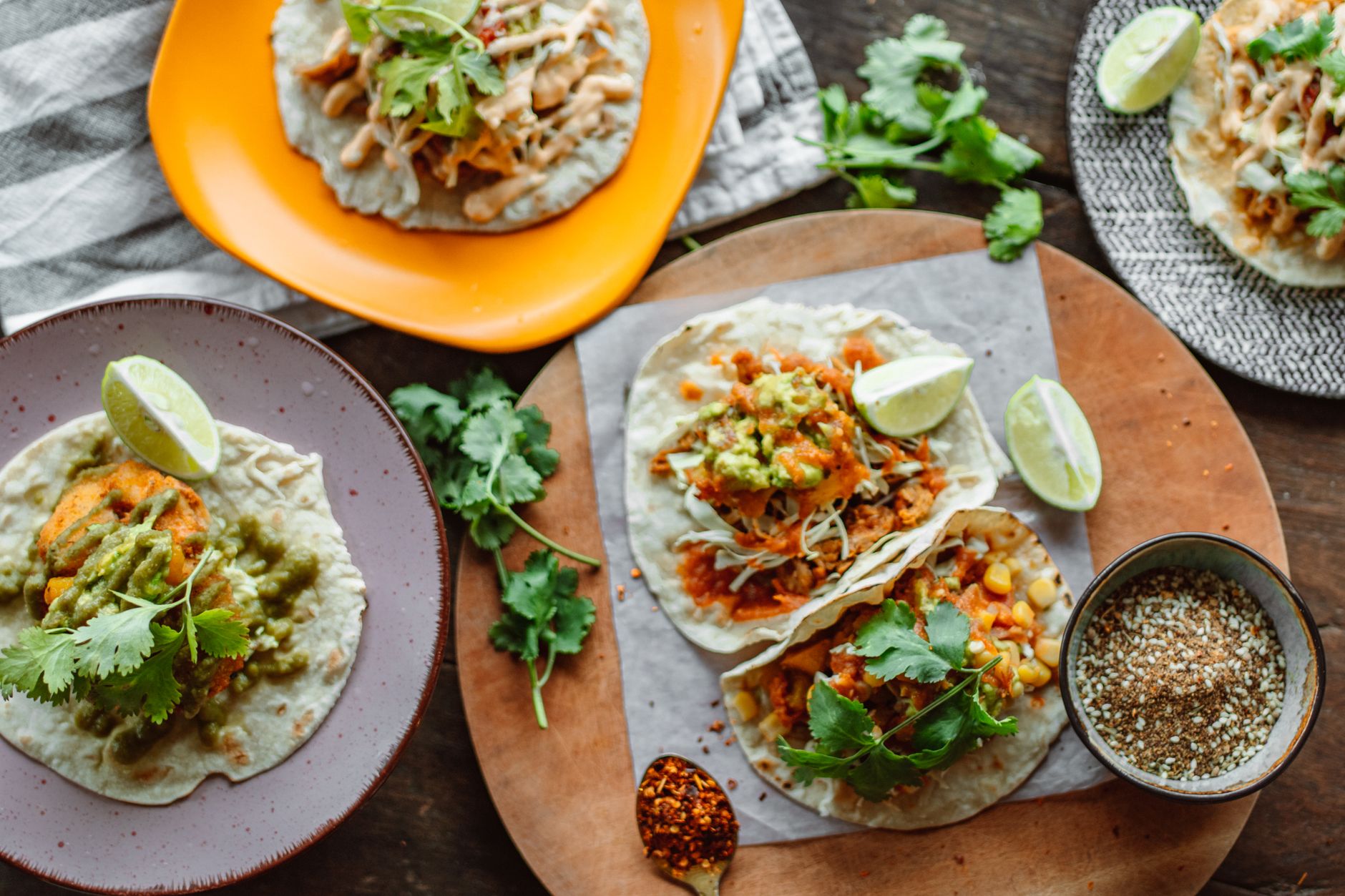
The taco is more than just a food item; it represents a rich cultural tradition and a plethora of flavors that can delight the taste buds. Understanding what taco means goes beyond its definition as a folded or rolled tortilla filled with various ingredients. This article delves into the origins, food history, and traditions surrounding tacos, highlighting how they became an integral dish across various cuisines.
In this exploration, we will uncover the meaning of taco, its historical significance, and the diverse ways it is enjoyed today. From the ingredients that typically fill these delicious creations to the ritual of enjoying them, this article serves as a comprehensive guide for taco enthusiasts and newcomers alike.
What Does Taco Mean?
The term “taco” refers to a traditional Mexican dish consisting of a tortilla filled with a variety of ingredients, including meats, beans, vegetables, cheese, and salsas. The word itself is derived from the Spanish language, with “taco” potentially tracing its roots to the Nahuatl language spoken by the Aztecs, where “tlahco” means “half” or “in the middle.” This definition aligns with the structure of a taco, where the filling is nestled within or between tortillas.
Origins of the Taco
The taco has deep historical roots in Mexico, dating back to at least the 18th century. Though there are various theories regarding its creation, one popular belief is that tacos were originally created by miners in the 1700s. They would use tortilla to scoop up fillings, much like we do today. Over time, tacos evolved, incorporating diverse ingredients based on regional preferences.
With its origins tied to Mexican culture, the taco has become a symbol of national pride. Indigenous ingredients such as corn, beans, and chiles were combined with proteins introduced during the Spanish colonization in the 1500s, leading to the formation of various regional taco styles.
Types of Tacos
Understanding tacos goes beyond the basic definition; there is a wide variety of taco styles, each reflecting regional specialties and ingredient availability. Here are some of the most popular types:
- Taco al Pastor: Originating in central Mexico, this taco features marinated pork cooked on a vertical spit and served with pineapple, onions, and cilantro.
- Tacos de Asada: Grilled beef is the star of these tacos, often accompanied by onions, cilantro, and salsa, making it a favorite at barbecues.
- Tacos de Pescado: These fish tacos, especially popular in coastal regions, typically feature grilled or battered fish topped with cabbage, salsa, and creamy sauces.
- Tacos de Carnitas: Slow-cooked pork is shredded and served with cilantro, onions, and lime on soft corn tortillas.
- Tacos de Barbacoa: Often made from slow-cooked beef or lamb, these tacos are rich and flavorful, usually garnished with onions and cilantro.
- Veggie Tacos: A modern twist, these tacos might include a mix of seasonal vegetables, beans, or tofu, appealing to vegetarians and vegans.
The Ingredients of Tacos
Every good taco starts with quality ingredients. Below is a breakdown of the key components that make tacos truly special:
Tortilla
The foundation of any taco is the tortilla. Traditionally, corn tortillas are used, offering a slightly nutty flavor that complements the fillings. Flour tortillas, which are more pliable, are also popular, especially in northern Mexico and Tex-Mex cuisine. When choosing tortillas, opt for fresh ones for the best flavor and texture.
Fillings
Fillings can range from savory meats to fresh vegetables:
- Meats: Common options include beef, pork, chicken, fish, and even vegetarian protein sources such as beans and lentils.
- Vegetables: Ingredients such as grilled bell peppers, onions, and corn add flavor and texture.
- Salsas: Salsas add a punch of flavor; they can be fresh, cooked, or roasted, and offer various levels of heat.
- Cheese: Traditional cheese options for tacos include crumbled queso fresco, cotija, or shredded Chihuahua cheese.
- Herbs: Fresh herbs like cilantro enhance the taco’s flavor profile and add freshness.
Cooking Techniques for Tacos
Preparation methods significantly influence the flavor and texture of tacos. Here are common cooking techniques used to prepare taco fillings:
Grilling
Grilling is a popular method for cooking meats like steak and chicken. It gives the proteins a smoky flavor while sealing in juices. Grilled vegetables also work well in tacos, adding a charred dimension that enhances overall taste.
Slow Cooking
For meats like carnitas or barbacoa, slow cooking allows flavors to meld and the meat to become tender. This method is particularly effective for tougher cuts of meat, resulting in a rich, savory filling.
Frying
Frying is common for fish or batter-dipped fillings. This method creates a crispy texture that contrasts beautifully with the softness of the tortilla.
Servings and Presentation
Tacos can be served in various ways, reflecting personal or regional preferences:
Serving Size
Typically, tacos are small and can be eaten in one or two bites. It’s common to serve multiple tacos per person, as they tend to be light and satisfying without being overly filling.
Garnishing
Garnishes make tacos visually appealing and enhance their flavor. Simple touches like extra lime wedges, chopped cilantro, or thinly sliced radishes can elevate the dish’s presentation and taste.
Common Mistakes When Making Tacos
While making tacos can seem straightforward, several pitfalls can occur. Here are common mistakes to avoid:
- Using Low-Quality Tortillas: Fresh, high-quality tortillas make a noticeable difference in flavor and texture.
- Overstuffing: While it’s tempting to fill tacos to the brim, overstuffing makes them difficult to eat and can lead to messiness.
- Lack of Balance: Ensure that your taco has a balance of protein, texture, and flavor. Tacos should have a variety of elements for a harmonious experience.
Traditions Surrounding Tacos
Tacos invite more than just deliciousness; they come with several traditions, especially in Mexican culture. Here are a few notable customs:
Taco Tuesday
The modern taco celebration known as “Taco Tuesday” has become a popular weekly tradition in many households and restaurants, often celebrated with discounts on tacos.
Street Tacos
In Mexico, street vendors serve tacos with various fillings, allowing locals and visitors alike to enjoy fresh, authentic food on the go. Eating street tacos is almost a rite of passage for anyone visiting Mexican cities.
Family Gatherings
Tacos are often served during family gatherings, holidays, and celebrations, bringing people together to share delicious meals.
Storage and Reheating Tips
Leftover tacos can be stored in the refrigerator for later enjoyment. Here’s how to do it properly:
Storage
To store tacos:
- Disassemble the tacos to keep the tortilla and fillings separate. This helps prevent the tortilla from becoming soggy.
- Place the fillings in an airtight container, and cover the tortillas with foil or plastic wrap to keep them fresh.
Reheating
When reheating, use the following methods:
- Microwave: Heat the fillings in the microwave until warmed through, then quickly toast the tortilla in a dry pan for a few minutes.
- Skillet: Heat a skillet over medium heat, warm the fillings and tortilla separately, and then assemble again before serving.
Special Taco Recipes to Try
The versatility of tacos means there are endless recipes to explore. Here are two popular taco recipes to inspire your cooking:
Taco Bell Seasoning Recipe
A great way to replicate that iconic fast-food flavor at home, light and flavorful seasons can turn any dish into a taco delight. You can find the recipe at Taco Bell Seasoning Recipe.
Taco Bell Meat Recipe
For those who enjoy the signature beef used in Taco Bell’s offerings, this recipe will guide you through creating your own taco meat at home. Check it out at Taco Bell Meat Recipe.
Tacos are more than just a meal; they are rich in history, flavor, and tradition. Understanding what taco means involves appreciating their origins, ingredients, and the sense of community they evoke. Armed with this knowledge, you can enjoy making, serving, and celebrating tacos in your own kitchen!
Explore more related recipes, cooking tips, and food guides, including delicious taco seasoning and meaty preparations.