
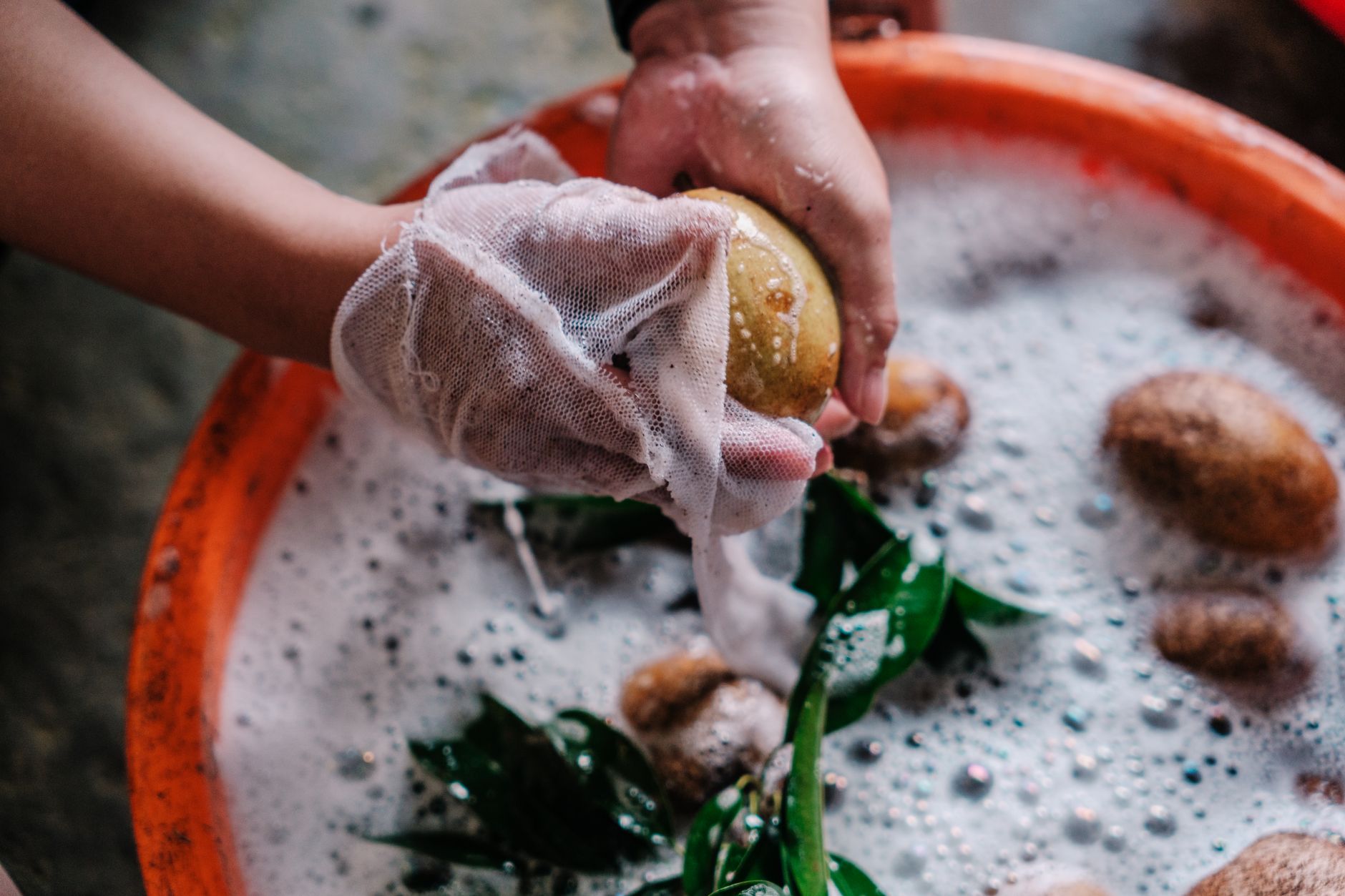
Soaking potatoes in water is a common culinary practice, but many cooks may wonder what benefits this technique brings. While it may seem like a simple step, soaking potatoes offers several advantages that can greatly enhance your cooking experience.
Understanding the role of soaking can help you achieve optimal flavors and textures in your dishes. From crispy fries to fluffy mashed potatoes, let’s delve into the details of what soaking potatoes in water does and how to effectively implement this technique.
What Does Soaking Potatoes In Water Do?
Soaking potatoes in water serves multiple purposes: it removes excess starch, helps to maintain their structure, and can even enhance their texture and flavor during cooking. By hydrating the potatoes before cooking, you can achieve better results whether you’re frying, roasting, or boiling.
The Science Behind Soaking Potatoes
Potatoes are starchy tubers that contain amylose and amylopectin. When soaked, the water penetrates the potato’s cells, dissolving excess starch and reducing its overall starch content. Here are some scientific insights into why soaking matters:
- Starch Removal: Excess starch can lead to gummy textures when boiling or frying. Removing it through soaking results in a crispier exterior when frying or a fluffier interior when baking.
- Hydration: Soaking allows potatoes to absorb moisture, which helps them cook more evenly. Well-hydrated potatoes can better withstand extended cooking and maintain their shape.
- Flavor Enhancement: Soaking in brine or flavored water can impart additional taste, especially if you’re frying or roasting potatoes that will absorb seasoning better.
How Long Should You Soak Potatoes?
The duration for soaking potatoes can vary based on their size and your preparation goals. Here are some general guidelines:
- Short Soak (30 minutes to 1 hour): Ideal for quick-preparation methods like frying or stir-frying. This regular soaking helps in achieving crispiness.
- Medium Soak (1 to 3 hours): Recommended for dishes like crispy roasted potatoes. This duration will remove more starch and allow for an even texture.
- Long Soak (4 hours to overnight): Best for preparing potatoes for dishes where maximum moisture absorption and starch removal are desired, like making fries or starch-heavy dishes.
Practical Uses for Soaking Potatoes
Here are some practical applications for soaking potatoes in water:
1. Preparing French Fries
Soaking cut potato sticks in cold water for at least 30 minutes before frying helps to remove surface starch, allowing the fries to become crispier. For the best results, soak for a few hours or even overnight, then drain and dry thoroughly before frying.
2. Making Mashed Potatoes
For creamier mashed potatoes, soak peeled and chopped potatoes in water for an hour before cooking. This method allows the potatoes to cook evenly and absorb the milk or cream better, resulting in a fluffy texture.
3. Chip Preparation
When making homemade chips, soaking thinly sliced potatoes in water for 30 minutes removes excess starch, helping them crisp up nicely during frying.
4. Potato Salads
If you’re preparing a potato salad, soaking cubed potatoes for a short time helps to prevent them from becoming mushy during boiling and allows for a better hold of dressings.
Steps to Soak Potatoes
Here’s how to soak your potatoes properly:
- Wash: Thoroughly wash the potatoes under running water to remove any dirt or pesticides.
- Peel (if necessary): Depending on your recipe, decide whether you want to peel the potatoes or leave their skins on.
- Cut: Dice, slice, or cut the potatoes into uniform pieces for even soaking and cooking.
- Soak: Place the cut potatoes in a bowl and cover with cold water. If desired, add salt or any seasoning to the water.
- Timing: Let the potatoes soak for the recommended time based on your cooking needs.
- Drain and Rinse: After soaking, drain the water and rinse the potatoes under cold water to remove excess starch.
- Dry: Pat the potatoes dry with a clean towel before proceeding with your cooking method.
Common Mistakes When Soaking Potatoes
Even with a seemingly simple process, mistakes can happen when soaking potatoes. Here are some common pitfalls and how to avoid them:
- Using Warm Water: Always use cold water for soaking. Warm water can start cooking the potatoes and alter their texture.
- Soaking for Too Long: While soaking can be beneficial, over-soaking can lead to overly watery potatoes that lose flavor.
- Skipping the Drying Step: Not drying the potatoes sufficiently may lead to oil splattering and soggy fries when frying, as excess moisture can hinder crispiness.
Variations of Soaked Potatoes
There are various ways to enhance the flavor and texture of soaked potatoes:
Salty Water
Soaking potatoes in a salty brine can enhance their flavor and help the potatoes absorb moisture, which leads to more flavor throughout the cooking process. This method is particularly effective for making french fries.
Vinegar Water
Adding a splash of vinegar to the soaking water can help to keep the potatoes firm during cooking and contribute a slight tang to the final dish.
Herb-Infused Water
Soaking potatoes in water infused with herbs or garlic can allow those flavors to penetrate the potatoes, resulting in a richer taste. Use herbs like rosemary, thyme, or garlic for a fragrant surprise.
What to Do After Soaking Potatoes
After soaking, the next steps will vary depending on your dish:
For Frying
Drain the potatoes and pat them dry thoroughly to avoid oil splatter. Heat your oil in a deep-fryer or heavy pot, and cook until golden brown and crispy. For extra crispiness, consider a double fry method.
For Boiling
Add the soaked potatoes to boiling salted water. Boil until tender but still firm. Drain and let them cool slightly before mashing or combining with other ingredients.
For Roasting
After soaking, ensure the potatoes are dry, then coat them in oil and seasonings. Roast in a preheated oven for the desired texture, aiming for crispy, golden outsides and fluffy insides.
Food Safety Considerations
While soaking potatoes is relatively straightforward, it’s always essential to prioritize food safety:
- Temperature Control: Always soak potatoes in cold water; avoid letting them sit in warm water, which can promote bacterial growth.
- Use Clean Utensils: Ensure that your cutting boards, knives, and containers are sanitized to prevent cross-contamination.
- Keep an Eye on Time: Don’t soak potatoes for too long. Proper timing prevents texture issues and maintains their taste quality.
Storage Recommendations
If you’re soaking potatoes for later use, it’s important to store them properly:
- Refrigerate: If soaking potatoes overnight, store them in the refrigerator with enough water to cover them. Drain and rinse before using.
- Avoid Soaking in Advance: If you plan to prepare potatoes in advance, consider peeling and cutting them without soaking them until ready to cook to maintain freshness.
Conclusion
Soaking potatoes in water can significantly enhance your cooking results, from achieving crispy fries to light and fluffy mashed potatoes. By removing excess starch and hydrating the potatoes, you set the stage for better flavor and texture. Don’t overlook this simple yet effective technique as you strive to improve your culinary skills.
To explore more delicious ways to prepare potatoes, check out our recipes for salt potatoes and loaded mashed potatoes, which will provide you with additional inspiration for your next meal.