
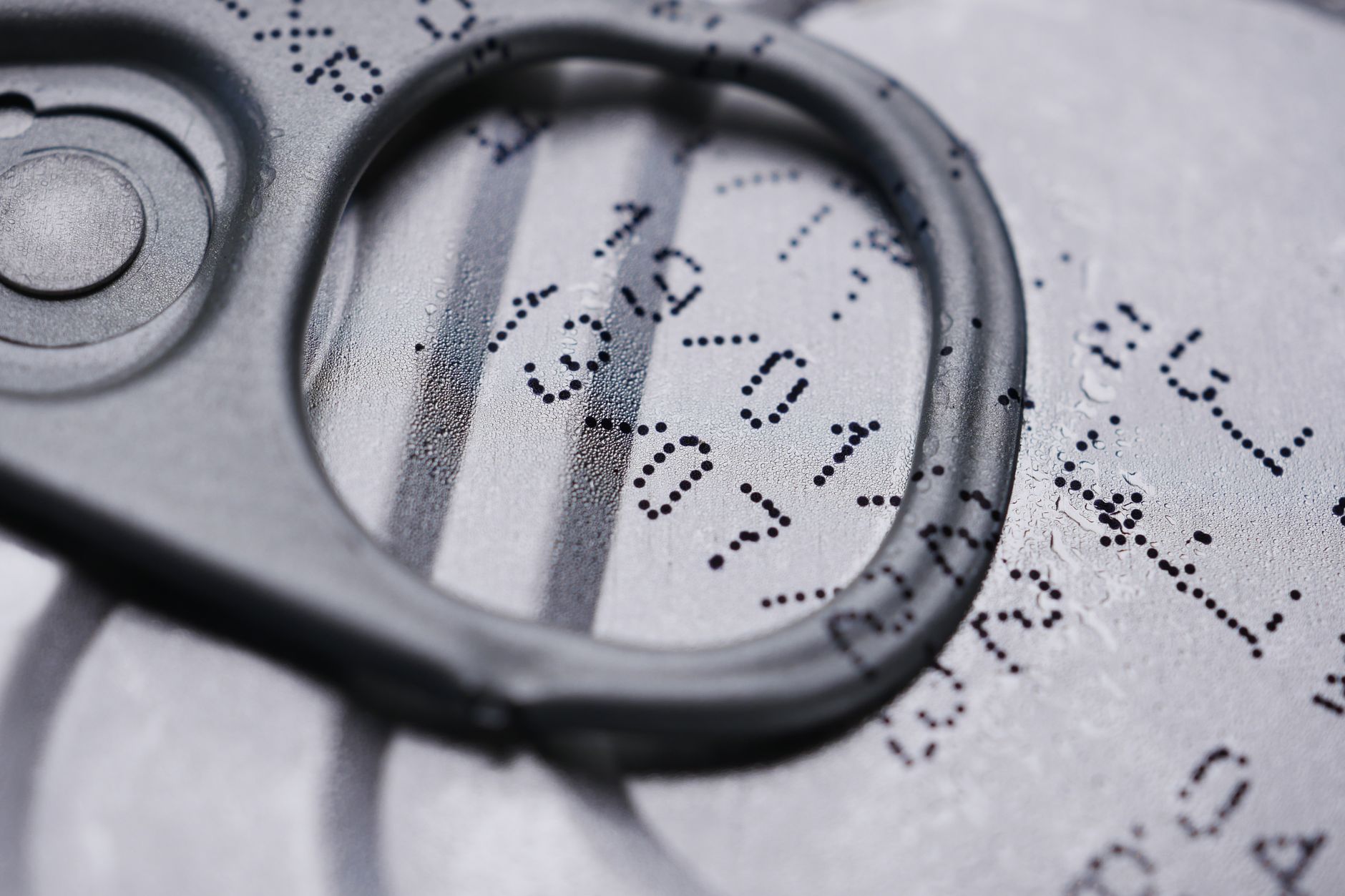
The sell by date is a common term found on food packaging, often confusing consumers about its meaning and implications for food safety. Understanding what sell by dates entail can help you make informed decisions when purchasing and storing food, ultimately reducing food waste and ensuring meals are fresh.
This article will explore what sell by dates mean, how they differ from expiration and use by dates, and provide practical tips for managing your food purchases and storage effectively.
What Does Sell By Date Mean?
The sell by date, also known as the “sell by” label, indicates the last day a store should keep a product on its shelves for sale. This is a guideline established by manufacturers to ensure that products are sold at their peak freshness and quality. While it’s crucial for retailers, consumers can still use the product safely beyond this date if properly stored.
It’s important to note that the sell by date is not an indicator of food safety in the same way an expiration date might be. Instead, it reflects the manufacturer’s recommendation for when the product is typically best used, often leading to some confusion among shoppers.
How Does Sell By Date Differ From Other Dates?
Food labeling can be confusing given the various terms used to indicate freshness and safety. Here are key terms to understand:
- Sell By Date: A guideline for retailers on how long to display the product for sale.
- Use By Date: This is the last date recommended for the consumption of the product while at its best quality. It is more related to food safety and is used mainly for perishable items.
- Best By Date: Indicates the time frame in which the product will retain its best flavor and quality. This date is primarily about quality rather than safety.
- Expiration Date: Mostly used for perishable items, it indicates the last day the product can be consumed because it may not be safe after that date.
Understanding Food Safety
Understanding food safety is essential for making the best use of your groceries. While sell by dates help retailers ensure product turnover, the way food is stored and handled is key to maintaining safety and quality.
Here are some critical food safety tips:
- Store Products Properly: Always follow storage instructions on the packaging. This may include refrigeration or freezing to extend the shelf life of items.
- Check Sensory Indicators: Aside from dates, use your senses. Look for changes in color, texture, or odor—these can be indicators of spoilage.
- Monitor Temperature: Keep refrigeration and freezing temperatures at optimal levels to slow down spoilage (below 40°F for refrigeration and below 0°F for freezing).
- Practice FIFO (First In, First Out): Organize your pantry so that older items are used before newer ones to minimize waste.
What Happens After the Sell By Date?
Many consumers may wonder what to do once the sell by date has passed. It is generally safe to consume products that have passed their sell by date, provided they show no signs of spoilage.
For example, dairy products like milk or yogurt may still be good for a week or more after the sell by date if stored properly. However, this can vary, so checking for signs like sour smells or changes in texture is essential.
Common Food Items and Their Safety After Sell By Dates
The safety and quality of food items after the sell by date can vary significantly. Here’s a breakdown of some common foods and their usual durability beyond the sell by date:
Dairy Products
- Milk: Can usually last up to a week past the sell by date if refrigerated correctly.
- Cheese: Hard cheeses can last several weeks or even months when properly stored. Soft cheeses should be consumed within a week after the sell by date.
- Yogurt: Often remains good for one to three weeks past the sell by date if sealed properly.
Meats and Poultry
- Beef: Fresh beef can last up to three to five days after the sell by date if stored in the refrigerator. It can be frozen to prolong its life.
- Poultry: Whole chicken or turkey may last one to two days past the sell by date in the refrigerator, while ground poultry should be consumed sooner—ideally by the sell by date.
- Pork: Similar to beef, fresh pork can last up to three to five days after the sell by date when refrigerated.
Fruits and Vegetables
Fruits and vegetables can usually last beyond their sell by dates as long as they show no signs of rot. Here are some examples:
- Berries: Should be consumed within a few days after their sell by date but may be salvageable for a few extra days.
- Leafy Greens: Usually, will last a few days after the sell by date if there are no signs of spoilage.
- Apples: Can last several weeks even after passing their sell by date if stored in a cool, dry place.
How to Extend the Life of Your Food
To minimize waste and make the most out of your grocery budget, here are some effective strategies:
Proper Storage Techniques
- Seal Tightly: Use airtight containers, especially for items like grains or leftovers. This helps prevent spoilage and extends their lifespan.
- Temperature Control: Keep the refrigerator at or below 40°F and the freezer at 0°F. Avoid opening the fridge frequently to maintain its internal climate.
- Moisture Reduction: For bread, store it in a cool, dry place rather than the fridge to avoid becoming stale. Alternatively, freezing can keep bread fresh for months.
Batch Cooking and Meal Prep
Meal prepping can help manage food use effectively. Cook larger portions and store them in the fridge or freezer. This method ensures you use food before it spoils and allows for quick meal access on busy days.
Some tips include:
- Use Clear Containers: This allows you to see what you have, helping to prevent forgotten items at the back of the fridge.
- Label Containers: Date your containers when you store leftovers or prepped meals. This helps you keep track of freshness.
- Plan Your Meals: Create a menu for the week that incorporates items nearing their sell by dates. This encourages you to make the most out of your ingredients.
Common Mistakes to Avoid with Sell By Dates
Here are some frequent pitfalls consumers make regarding sell by dates:
- Ignoring Storage Guidelines: Most packages will indicate how to best store the product. Ignoring these can lead to premature spoilage.
- Trusting Only the Date: Always check for visual or olfactory indicators of spoilage. Dates are guidelines, not definitive answers on safety.
- Freezing Items After the Sell By Date: While freezing can extend the shelf life, it’s best to freeze items before the sell by date to ensure maximum freshness and safety.
Conclusion
Understanding sell by dates is crucial for food safety and waste prevention. By recognizing that these dates signal optimal quality rather than safety, you can better utilize your groceries. Always check for signs of spoilage and implement effective storage and meal-planning strategies to maximize the lifespan of your food.
To further enhance your food handling knowledge, consider reading about how long chicken lasts after its sell by date or how long cottage cheese lasts after opening.