
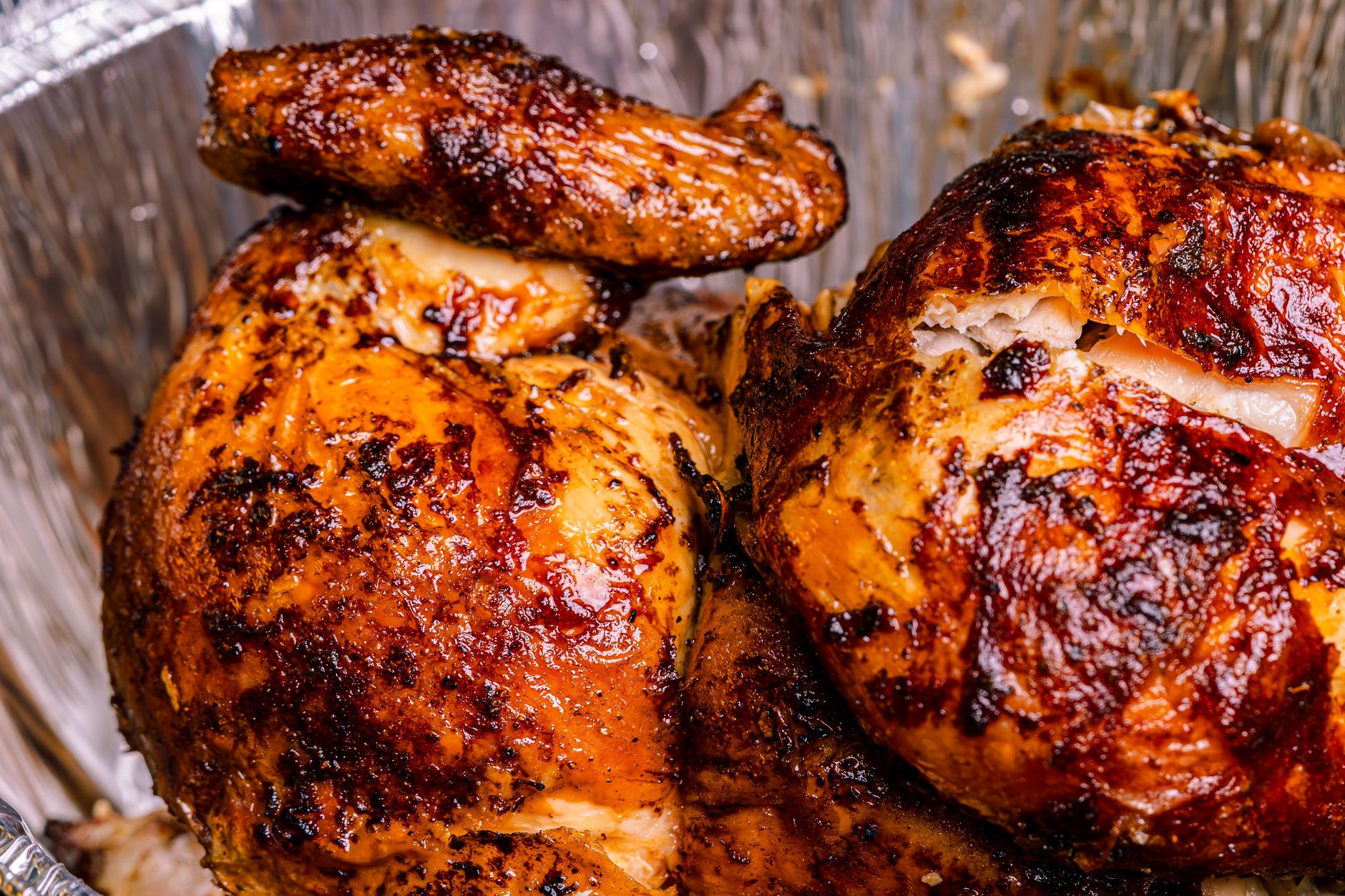
Savory is one of the five basic tastes, often described as a rich, hearty flavor that brings depth to various dishes. Known scientifically as umami, savoriness can enhance the overall taste profile of meals, making them more satisfying and enjoyable.
This article delves into what savory truly tastes like, exploring its characteristics, the textures associated with it, popular pairings, and how to incorporate this flavor into your cooking.
What Does Savory Taste Like?
Savory is often characterized by a deep, rich flavor that is not sweet, sour, or salty. It comes from amino acids and nucleotides, typically found in protein-rich foods. The taste can evoke feelings of warmth and comfort, making it prominent in comfort food and hearty dishes.
The taste of savory can range from mild, as found in foods like mushrooms and ripe tomatoes, to robust, as in aged cheeses or well-cooked meats. Furthermore, savory flavors are often complemented by herbs, spices, and other flavor profiles, enhancing a dish’s overall complexity.
The Flavor Profile of Savory
At its core, savory flavors can be divided into several characteristics:
- Richness: Savory tastes are often deep and rich, adding a satisfying quality to food.
- Umami: This Japanese term describes the fifth taste associated with savory flavors, found in foods high in glutamates.
- Complexity: Savory flavors often involve a combination of tastes, enhancing the whole experience of a dish.
The distinct savory quality can often make foods more appealing due to their ability to enhance other flavors rather than overpower them. Foods such as mushrooms, soy sauce, and aged cheese exemplify classic savory sources.
Common Sources of Savory Flavor
Several foods are known for their savory characteristics. Here are some examples:
- Meats: Foods like beef, pork, and chicken often carry rich umami flavors, especially when roasted or grilled.
- Fish and Seafood: Rich in umami, many fish varieties, along with shellfish, deliver savory depth.
- Fermented Foods: Items like soy sauce, miso, and kimchi are packed with savory flavors due to the fermentation process.
- Vegetables: Certain vegetables, particularly mushrooms, tomatoes, and asparagus, have natural savory qualities.
- Cheeses: Aged cheeses like Parmesan or blue cheese have pronounced savory flavors, enhancing any dish.
Exploring Textures Associated with Savory
The fulfilling taste of savory is often complemented by its texture. Here are some common textures that pair well with savory flavors:
- Creamy: Creams, sauces, and cheeses add a rich mouthfeel that enhances the savory taste.
- Crispy: Foods with a crispy texture, such as crispy onions or fried chicken skin, provide a delightful contrast.
- Tender: Slow-cooked meats that are tender and juicy offer an enjoyable savory experience.
Combining various textures in a dish can amplify its savoriness, ensuring a more dynamic and pleasurable eating experience.
How to Incorporate Savory Flavor into Your Cooking
Adding savory notes to your meals can elevate ordinary dishes to extraordinary ones. Here’s how you can incorporate umami flavors into your cooking:
Using Ingredients
Incorporating umami-rich ingredients is the easiest way to enhance the savory quality of your dishes:
- Meat Reduction: Use meat stocks as a base for soups and sauces.
- Mushrooms: Sauté fresh or dried mushrooms to add a deep umami flavor to risottos or sauces.
- Soy Sauce: A dash of soy sauce in marinades or stir-fries can boost the savory profile of vegetables and proteins.
- Parmesan: Grated Parmesan cheese can be sprinkled over dishes for an added punch of flavor.
Cooking Techniques
Cooking methods can also influence the level of savory flavor in your meals. Here are a few techniques!
- Roasting: This method caramelizes the natural sugars in vegetables and meats, enhancing savoriness.
- Fermenting: Fermenting vegetables or proteins can develop complex umami flavors beneficial for taste.
- Deglazing: After sautéing proteins, deglaze the pan with wine or broth to create a rich base for sauces.
Herbs and Spices for Enhancing Savory Flavors
Certain herbs and spices can elevate savory flavors in your dishes. Consider:
- Thyme: Its earthy flavor pairs well with meats and vegetables.
- Rosemary: Adds a robust, aromatic quality to various savory dishes.
- Bay Leaves: Infusing broths or stews with bay leaves can enhance their depth.
Savory Pairings: What Works Well Together?
Pairing foods effectively can amplify savory tastes and create pleasing combinations. Here are some excellent savory pairings to consider:
Cheese and Meats
Combining cheese and cured meats makes for an indulgent savory experience. The saltiness of cured meats like prosciutto pairs well with the richness of cheese such as Brie or aged gouda. Delve into charcuterie boards filled with various specialties to explore these flavors.
Vegetables and Grains
Mix sautéed or roasted vegetables like mushrooms and kale with grains like quinoa or barley for a balanced meal filled with savory satisfaction. The nuttiness of the grains contrasts beautifully with the umami taste of the vegetables.
Sauces and Condiments
Savory sauces, such as barbecue, soy sauce, or teriyaki, can heighten the flavor of marinades and dips. Use these condiments judiciously to bring out natural savory elements in grilled meats and vegetables.
Common Savory Dishes Around the World
Savory flavors are found in various traditional cuisines globally. Here are some dishes that embody the essence of savories:
- French Onion Soup: A deliciously rich broth made from caramelized onions, topped with melted cheese.
- Italian Risotto: Creamy rice dish that often incorporates broth, cheese, and earthy mushrooms.
- Japanese Miso Soup: A comforting soup filled with umami-rich miso paste, seaweed, and tofu.
- Mexican Mole: A complex sauce made with chili peppers, nuts, and spices that adds a savory punch to meats.
Common Mistakes When Trying to Achieve a Savory Flavor
Understanding how to create and enhance savory flavors is crucial for any cook. Here are common pitfalls to avoid:
- Overseasoning: Using too much salt can drown out the natural savory flavors and make a dish overly salty.
- Neglecting Technique: Cooking methods like roasting or sautéing can bring out savory notes. Avoid boiling if you want to preserve these flavors.
- Ignoring Acid: Failing to balance savory flavors with acidity can result in dull-tasting dishes. Use vinegar or citrus to brighten flavors.
Tips for Enhancing Savory Flavor in Meals
Make the most of savory ingredients and enhance the overall flavor of your meals using these helpful tips:
- Use Broths: Base soups and sauces on savory broths made from bones or vegetables.
- Invest in Quality Ingredients: High-quality cheeses, meats, and vegetables often have better umami profiles.
- Experiment with Fermentation: Try incorporating fermented ingredients for additional depth.
Storage Tips for Savory Ingredients
Proper storage can help maintain the flavor and freshness of savory ingredients:
- Herbs: Store fresh herbs like thyme and rosemary in the fridge, wrapped in a damp paper towel, to prolong freshness.
- Cheese: Keep cheese wrapped in wax paper or cheese cloth for breathability, preventing spoilage.
- Meat: Store proteins in the coldest part of the refrigerator or freeze for longer preservation.
Exploring savory flavors can significantly enhance your cooking experience and allow for creative freedom in the kitchen. Understanding the role of umami, playing with textures, and knowing the right pairings can lead to delightful culinary adventures.
To delve deeper into savory cooking, check out our savory crepe recipe or learn about the flavor of thyme, both of which can greatly enhance your savory cooking repertoire.
If you’re interested in recipes, cooking techniques, and ingredient guides, explore related content for more inspiration and practical tips.