
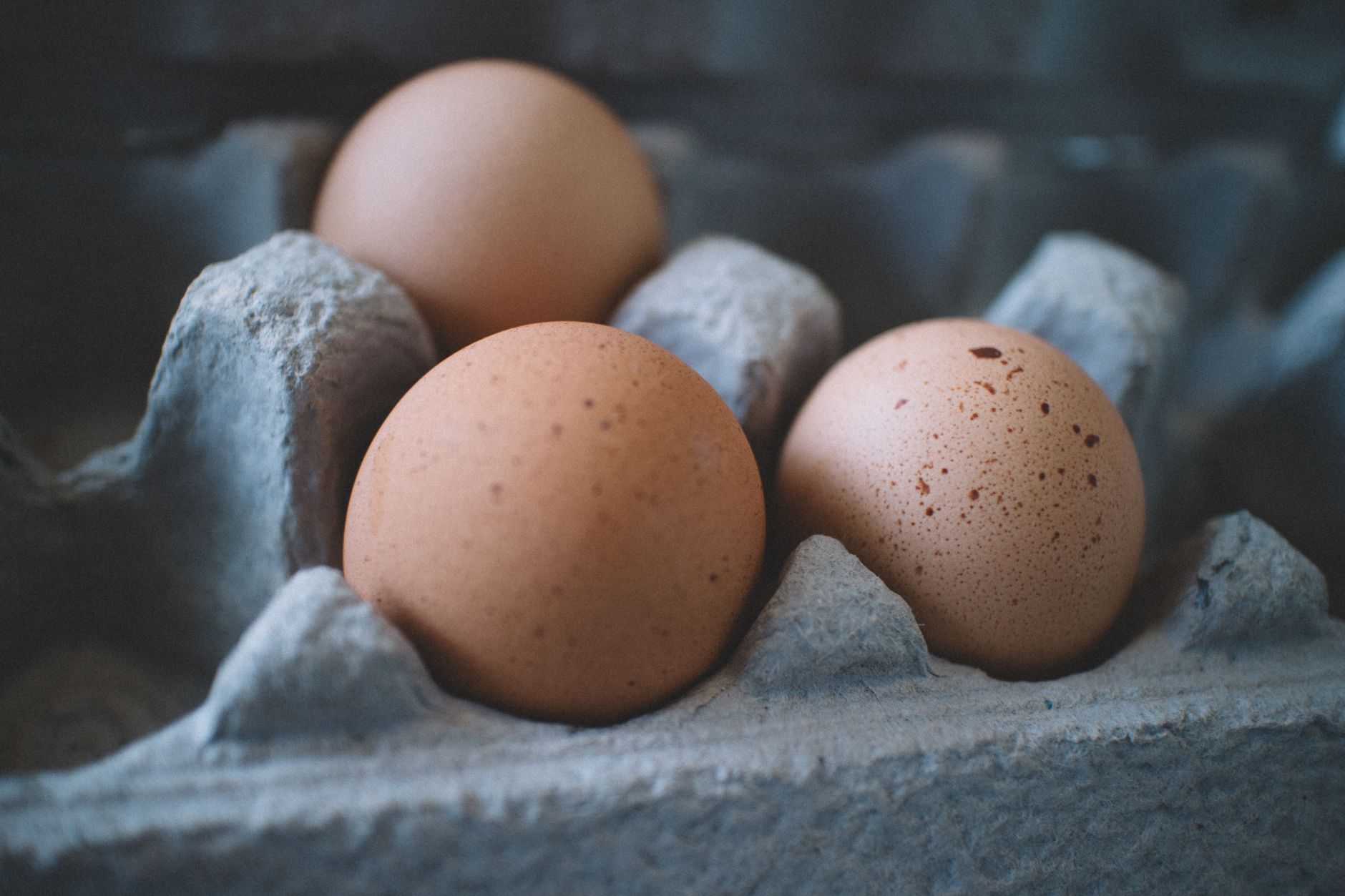
Understanding what organic eggs mean is essential for making informed choices about your food. With growing interest in sustainable and ethical eating, many people are asking whether these eggs are worth the premium price and how they differ from conventional options.
This article explores the food history and origins of organic eggs, the standards that define them, and how to choose, use, and store them effectively. Armed with this knowledge, you can better navigate the egg aisle on your next grocery trip.
What Does Organic Eggs Mean?
Organic eggs come from hens that are raised according to specific agricultural practices that maintain and enhance the health of the environment and animals. This includes feeding them organic feed, allowing them access to outdoor space, and prohibiting the use of certain chemicals and antibiotics.
In essence, organic eggs not only offer a distinct quality but also reflect a broader commitment to sustainable farming practices.
The History of Organic Farming
Organic farming has roots that trace back to the early 20th century when scientists and farmers began to recognize the adverse effects of synthetic fertilizers and pesticides. The organic movement gained momentum post-World War II, highlighting the need for healthier lands and food production methods.
The concept of raising chickens organically aligns with these principles. By avoiding synthetic chemicals and focusing on animal welfare, organic egg production builds on traditional agricultural practices that promote ecological balance.
Standards for Organic Eggs
In the United States, organic eggs must meet specific criteria set by the United States Department of Agriculture (USDA). Here’s a closer look at these standards:
- Organic Feed: Hens must be fed a diet that contains 100% organic feed, which must be free of synthetic pesticides and genetically modified organisms (GMOs).
- Access to Outdoors: Hens must have outdoor access, ideally for a minimum of 120 square feet per bird, enabling them to roam, forage, and engage in natural behaviors.
- No Antibiotics or Hormones: The use of antibiotics or growth hormones is strictly prohibited. Hens may receive veterinary care, but only if necessary.
- Animal Welfare: Organic egg production prioritizes practices that ensure the well-being of the hens, including adequate space and a comfortable living environment.
Selecting Organic Eggs
When shopping for organic eggs, it’s essential to know how to select the best options. Here are some tips:
- Check Labels: Look for eggs that are certified organic by the USDA seal. This guarantees they meet all organic farming standards.
- Inspect the Shells: Choose eggs with uncracked, clean shells. Irregularities might indicate poor treatment or storage.
- Seek Freshness: Check the sell-by or expiration date on the carton to ensure freshness. Generally, fresher eggs have a deeper yolk color and firmer whites.
- Local Options: Consider purchasing from local farms, where you can often find organic eggs that are fresher and support community agriculture.
Cooking with Organic Eggs
Organic eggs are versatile ingredients used in various culinary applications. Here are some popular methods to use them:
Boiling
To boil organic eggs, bring water to a rolling boil, gently add the eggs, and boil for about 9-12 minutes depending on your desired level of doneness. Immediately transfer them to an ice water bath to stop the cooking process.
Scrambling
For scrambled organic eggs, beat the eggs with a splash of milk or cream and seasoning. Pour them into a non-stick skillet over medium heat. Stir frequently until they are just set and creamy.
Baking
Organic eggs work wonderfully in baking, providing structure and moisture. They are key in recipes ranging from cakes and cookies to quiches and frittatas. Always ensure they are at room temperature for optimal blending.
Common Mistakes when Cooking with Eggs
When using organic eggs, some common errors can impact your outcomes:
- Cooking at High Heat: Cooking eggs at too high a temperature can lead to rubbery textures. Always use medium to low heat.
- Not Prepping the Pan: Skipping a non-stick pan or adequate lubrication can result in sticking, so always ensure your surface is well prepared.
- Overcooking: Eggs can become dry and unappealing if overcooked, so always keep monitoring your cooking time.
Organic Eggs in Baking
In baking, organic eggs play a crucial role in various recipes, affecting flavor, texture, and nutritional value. Here are a few insights into their function:
Binding Agent
Eggs act as binders in baked goods, holding ingredients together and providing structure. In recipes such as cakes or meatloaf, they help achieve the desired consistency.
Leavening Agent
Organic eggs trap air when whipped, helping baked products rise during cooking. This is vital in recipes like soufflés and meringues where lightness and airiness are desired.
Moisture Provider
Eggs also contribute moisture, enriching the flavor and texture of baked goods. They are particularly beneficial in cookies, muffins, and cakes, yielding a tender, soft crumb.
Storing Organic Eggs
Proper storage is crucial for maintaining the freshness and quality of organic eggs. Here are some recommended practices:
- Refrigeration: Always store organic eggs in the refrigerator, ideally in their original carton to protect them from odors and moisture.
- Keep Shells Intact: Avoid washing eggs before storing them as they may remove the protective bloom on the shell that helps prevent bacteria.
- Monitor Expiration: Use eggs within the specified date, but they can often remain fresh for several weeks beyond that date if stored correctly.
What to Do with Leftover Organic Eggs
If you find yourself with leftover organic eggs, here are some great ideas to make use of them:
- Egg Muffins: Whisk together eggs and a mix of vegetables, cheese, or meats, pour into muffin tins, and bake for a quick breakfast option.
- Homemade Mayonnaise: Use organic eggs to make fresh mayonnaise, which adds flavor to sandwiches and salads.
- Rich Sauces: Transform leftover eggs into hollandaise or aioli, enhancing everything from steamed vegetables to grilled seafood.
Health Benefits of Organic Eggs
While the nutritional profile can vary depending on the hen’s diet and living conditions, organic eggs are often considered healthier than conventional eggs for several reasons:
- Higher Omega-3 Fatty Acids: Hens fed organic flaxseed may produce eggs with higher omega-3 content, beneficial for heart health.
- Better Vitamin Profile: Organic eggs often contain higher levels of certain vitamins, particularly vitamin D and E, as well as antioxidants.
- Lower Chemical Residues: By avoiding synthetic pesticides and antibiotics, organic eggs generally have lower levels of chemical residues.
Common Questions About Organic Eggs
Are Organic Eggs Nutritionally Superior?
While organic eggs can offer some nutritional advantages, the differences are often subtle, such as higher omega-3s and vitamins. Ultimately, they may be preferable for those seeking to avoid synthetic additives.
Are Organic Eggs More Expensive?
Yes, organic eggs are generally more expensive than conventional eggs due to the cost of organic feed, regulations compliance, and the associated sustainable farming practices.
How Long Can You Keep Eggs in the Refrigerator?
Eggs can typically be kept in the refrigerator for about 3 to 5 weeks past the sell-by date, maintaining best quality but still ensuring food safety.
How Long Do Eggs Last After Sell-By Date?
While often still safe to consume, eggs past their sell-by date should be tested for freshness. Placing an egg in a bowl of water is a simple way to check: if it sinks, it’s fresh; if it floats, it’s best to discard it.
Conclusion
Organic eggs are a sustainable, nutritious option that supports animal welfare and environmentally friendly practices. With their versatility in cooking and baking, they present a myriad of delicious opportunities for your meals. Next time you’re in the grocery store, consider choosing organic eggs for their quality and benefits.
If you are interested in further exploring egg storage, check out how long can you keep eggs in the refrigerator or understand how long do eggs last after the sell-by date for more practical tips.