
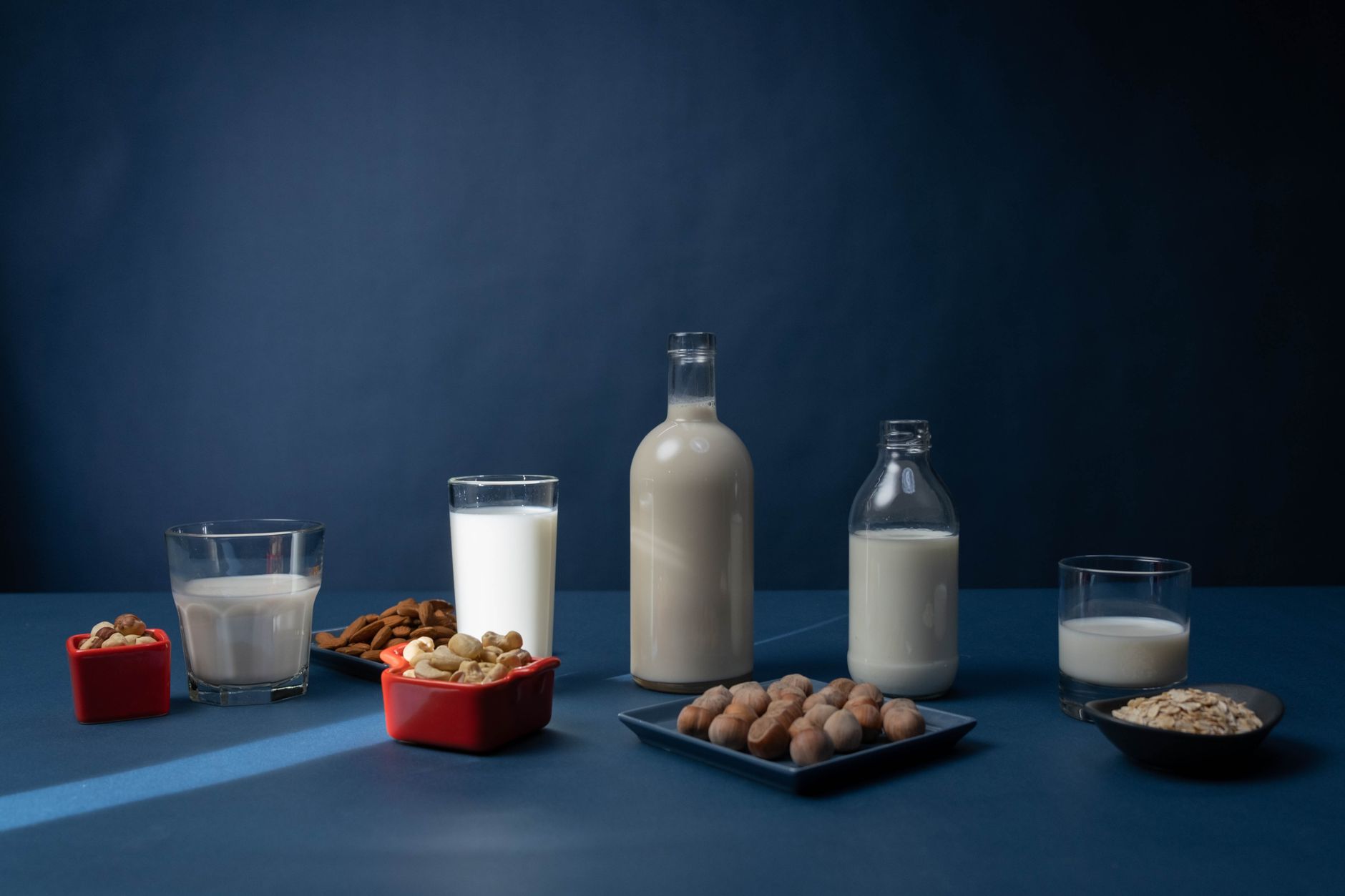
Oat milk has gained immense popularity as a dairy alternative due to its creamy texture and mild flavor. But what does oat milk taste like, and how does it compare to other non-dairy alternatives? This article will explore the flavor profiles, textures, pairings, and culinary uses of oat milk, helping you decide if it’s the right option for your lifestyle.
With the surge in plant-based diets, many are curious about oat milk’s distinctiveness. This guide will cover everything you need to know about oat milk, from how it’s made to its best uses in cooking and baking.
What Does Oat Milk Taste Like?
Oat milk offers a mild, slightly sweet taste with a hint of earthiness. Its creamy texture closely resembles that of whole milk, making it a popular choice for those seeking a smooth dairy alternative. Compared to other plant-based milks, such as almond or soy, oat milk holds a unique flavor profile that can complement various dishes.
Flavor Profile of Oat Milk
The flavor of oat milk is generally mild, which means it can blend well with a range of ingredients. Key characteristics include:
- Slightly Sweet: Oat milk has a natural sweetness that comes from the oats used in its production. This subtle sweetness can enhance the flavors of drinks and foods.
- Earthy Notes: The oats contribute earthy undertones, giving oat milk a more robust flavor compared to lighter plant-based milks.
- Nutty Undertones: Depending on the brand, some oat milks may have a hint of nuttiness that can add depth, particularly in baked goods.
Texture of Oat Milk
One of the standout features of oat milk is its creamy texture, making it an excellent alternative to regular milk. Here are some aspects of its texture:
- Creamy Consistency: Oat milk is thicker than many other plant-based milks, similar to whole milk, which can enhance the mouthfeel in beverages or recipes.
- Good Foamability: Oat milk tends to froth well, making it a popular choice for baristas and coffee enthusiasts looking for a creamy, foamy addition to their drinks.
- Stability: Oat milk emulsifies well, preventing separation in both hot and cold preparations, unlike some other non-dairy alternatives.
Comparing Oat Milk to Other Non-Dairy Milks
Understanding how oat milk compares to other non-dairy milks can help you determine which milk fits your needs, especially in various applications:
Oat Milk vs. Almond Milk
Almond milk is known for its lightness and subtle flavor. In contrast, oat milk is creamier and has a more pronounced taste. While almond milk is lower in calories, oat milk provides a thicker texture that many find more satisfying.
Oat Milk vs. Soy Milk
Soy milk contains more protein and has a slightly bean-like taste. Oat milk, on the other hand, is free from soy and boasts a neutral flavor profile, making it more versatile for sweet and savory dishes.
Oat Milk vs. Coconut Milk
Coconut milk offers a distinct tropical flavor that can overwhelm some recipes. In comparison, oat milk’s mildness allows it to better blend with varied cuisines, while also providing a rich texture.
How to Use Oat Milk in Cooking and Baking
Oat milk is adaptable and can be used in many applications. Here are some recommendations:
In Beverages
Oat milk is commonly used in:
- Coffee and Lattes: Its creaminess and ability to froth well make it an excellent substitute for dairy in coffee drinks.
- Milkshakes and Smoothies: The rich texture provides a satisfying base for milkshakes and enhances the creaminess of smoothies.
- Hot Chocolate: Incorporating oat milk in hot chocolate creates a comforting, creamy drink perfect for colder months.
In Cooking
In savory dishes, oat milk can add depth and creaminess. Use it in the following ways:
- Soups: Substitute oat milk for cream in creamy soups for a velvety texture without the dairy.
- Casseroles: Use it in casseroles where a creamy consistency is desired.
- Mashed Potatoes: Incorporate oat milk in mashed potatoes for added creaminess and a hint of sweetness.
In Baking
When baking, oat milk can replace dairy milk in most recipes. Consider the following:
- Cakes and Muffins: Use oat milk for a moist, tender crumb in baked goods.
- Pancakes and Waffles: Substitute oat milk for regular milk in pancake or waffle batter for a fluffy texture.
- Cookies: Oat milk can add richness to cookie recipes, enhancing flavors without overpowering them.
Pairing Oat Milk with Flavors
Choosing the right flavors can elevate your dishes when using oat milk. Here are some suggestions:
- Vanilla: Vanilla complements the natural sweetness of oat milk, making it ideal for desserts or baked goods.
- Chocolate: Oat milk’s creaminess pairs exceptionally well with chocolate, perfect for desserts like brownies and mousse.
- Cinnamon and Nutmeg: These spices can enhance oatmeal or coffee, pairing seamlessly with oat milk.
Practical Substitutions
If you don’t have oat milk on hand, here are some reliable alternatives:
- Almond Milk: Works well in most instances, although the flavor will be lighter and nuttier.
- Coconut Milk: This can replace oat milk in baking, although it will add a coconut flavor.
- Cashew Milk: Similar in texture to oat milk, with a creaminess that works well in both cooking and baking.
Common Mistakes and Troubleshooting
Here are common mistakes to avoid when working with oat milk:
- Not Shaking the Carton: Oat milk can separate in the carton, so always shake it well before using.
- Using for High-Heat Cooking: While oat milk can withstand moderate heat, it may curdle in very high-heat applications.
- Ignoring Expiration Dates: Always check the expiration date, as using expired oat milk can affect flavors and quality.
Storage of Oat Milk
Proper storage of oat milk is crucial for maintaining its flavor and freshness:
- Refrigerated Oat Milk: Store opened oat milk in the refrigerator and consume it within 7–10 days.
- Unopened Oat Milk: Unopened cartons can be stored in a cool, dark place until the expiration date listed.
- Freezing Oat Milk: Freezing can alter the texture but can be done for extended storage. Just thaw and use in cooked recipes.
Conclusion
Oat milk is not only delicious but also versatile, making it an excellent substitute for dairy in a variety of dishes. Its natural sweetness and creamy texture can enhance beverages, baked goods, and savory meals alike. Whether you’re using it in your morning coffee or whipping it into your favorite desserts, oat milk offers a delightful twist on traditional flavors.
For more delicious recipes and cooking tips, explore our guides on coconut milk chia pudding or dairy-free pancake recipes to discover new favorites.