
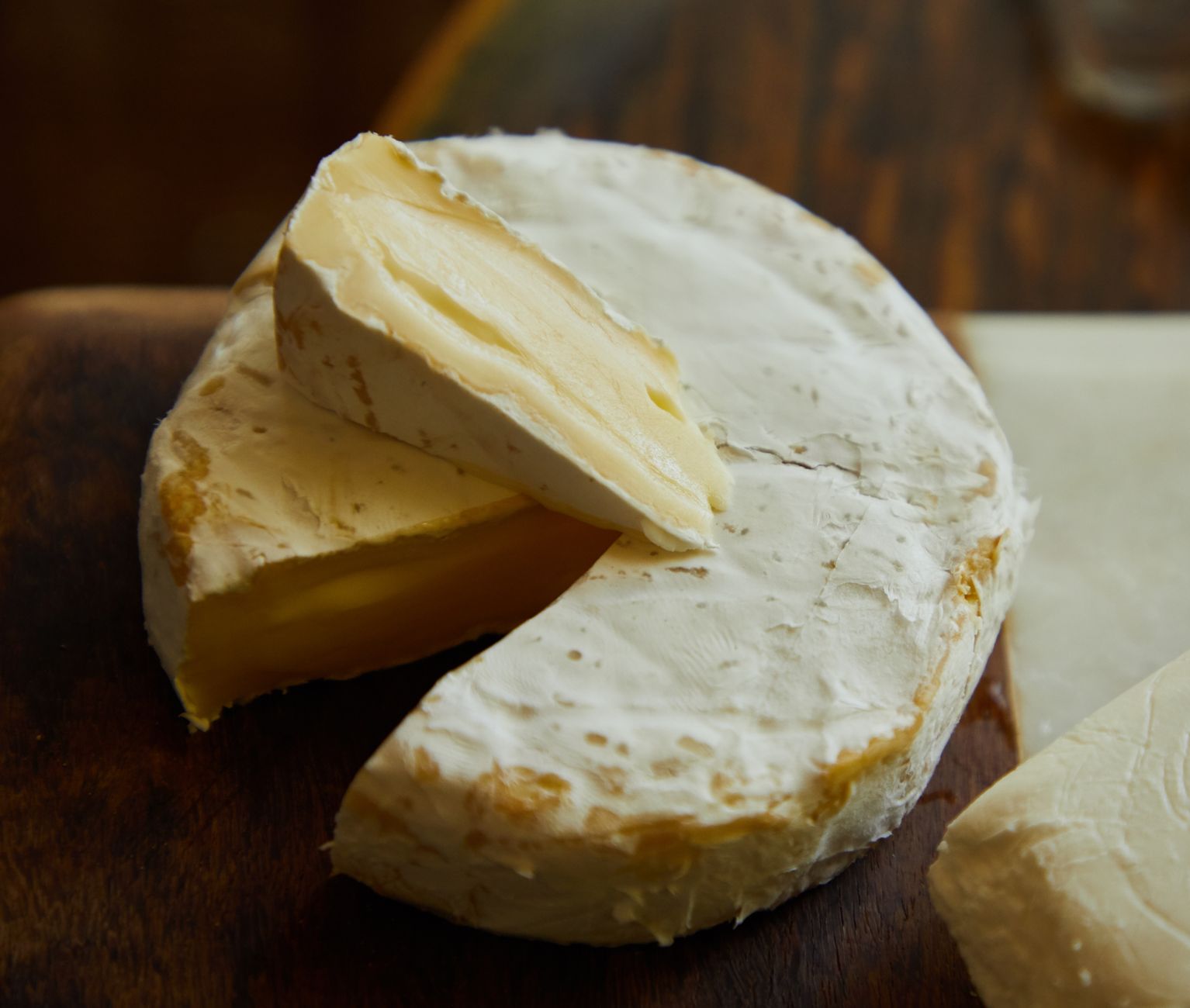
Munster cheese is a semi-soft, washed-rind cheese that originates from the Alsace region of France and has also gained popularity in the United States. This artisanal cheese is distinct for its strong aroma and robust flavor, making it a favorite among cheese enthusiasts. Understanding what Munster cheese tastes like can enhance your culinary experiences, whether you are pairing it with wine, incorporating it into dishes, or simply enjoying it on its own.
In this article, we will delve into the flavor profile, texture, ideal pairings, and practical uses of Munster cheese, helping you appreciate this unique dairy product to its fullest.
What Does Munster Cheese Taste Like?
Munster cheese is characterized by a mild yet rich flavor. It possesses a subtle tanginess, which can deepen in intensity as it ripens. The washed rind contributes to its earthy and somewhat pungent aroma while adding a nuanced depth to its flavor. Fresh Munster cheese offers a creaminess that balances its savory notes, making it versatile for various culinary applications.
Flavor Profile of Munster Cheese
The flavor of Munster cheese can vary based on its age and the methods used in its production. Here are some key notes about its flavor profile:
- Mild to Moderate Flavor: Fresh Munster typically has a light flavor with mild notes of butteriness that grows more savory as it ages.
- Tangy and Salty: The tangy element can be attributed to the microbial cultures used in its production, while the salt content enhances the overall richness.
- Earthiness: The washed rind creates an earthy quality that can be quite pronounced, especially in aged varieties.
- Hints of Sweetness: Older varieties sometimes showcase a pleasant sweetness that balances their savory aspects.
- Complex Depths: As it matures, Munster can develop a more complex flavor, introducing nutty or even fruity undertones.
Texture of Munster Cheese
Texture plays a crucial role in how cheese is experienced. Munster cheese primarily boasts a creamy yet firm texture. Here’s a closer look at the characteristics of Munster’s texture:
- Semisoft: The cheese has a smooth, pliable texture that lends itself well to slicing and melting.
- Moisture Content: It has a higher moisture content than many hard cheeses, giving it a refreshing quality.
- Creamy Mouthfeel: A well-aged Munster cheese offers a rich, buttery mouthfeel that coats the palate.
- Crumble Ability: While primarily creamy, certain aged variants can develop a crumbly texture, especially along the rind.
How Munster Cheese is Made
Understanding how Munster cheese is made can provide insight into its unique taste and texture. The following outlines the key steps in its production:
- Milk Selection: Munster is typically made from cow’s milk, which contributes to its creaminess.
- Curd Formation: After pasteurization, the milk is inoculated with starter cultures and rennet to form curds.
- Cutting and Cooking: The curds are cut and gently heated to release whey, enhancing texture.
- Shaping: The curds are then molded into round shapes, known as wheels, and may be pressed to further remove moisture.
- Salting and Washing: The cheese is salted after shaping and typically washed every few days to develop its rind.
- Aging: Munster is aged in a controlled environment where its flavor develops due to the growth of bacteria on the rind.
Ideal Pairings with Munster Cheese
Pairing Munster cheese with the right accompaniments can elevate its flavors. Here are some excellent pairing suggestions:
- Wines: Munster cheese pairs well with fruity red wines, such as Pinot Noir or Beaujolais, which complement its earthy notes.
- Fruits: Apples, pears, and grapes create a refreshing contrast with the cheese’s richness.
- Spicy Condiments: Picante salsas or spicy chutneys can enhance the cheese’s flavors, balancing its creaminess.
- Charcuterie: Cured meats, like prosciutto or salami, complement the savory aspects of Munster.
- Fresh Bread: Crusty baguettes or artisanal breads work wonderfully for creating cheese platters.
Common Culinary Uses for Munster Cheese
Munster cheese’s unique flavor and texture make it a versatile ingredient in various dishes. Here are some popular culinary uses:
- Melting: Due to its excellent meltability, Munster cheese is an ideal choice for fondues, sandwiches, or topping baked dishes.
- Salads: Incorporate chopped Munster into salads for added creaminess and flavor contrast.
- Pizza: Use Munster as part of a cheese blend to provide a rich, creamy texture that pairs well with toppings.
- Appetizers: Serve cheese and charcuterie boards featuring Munster to highlight its flavors alongside complementary items.
- Grilled Cheese: A classic grilled cheese sandwich made with Munster creates a comfort food favorite.
Substitutions for Munster Cheese
If you find yourself without Munster cheese, consider these alternative cheeses that can serve as substitutes. While they may not replicate Munster’s flavor precisely, they offer similar characteristics:
- Havarti: This Danish cheese has a similar softness and buttery flavor, making it an excellent alternative.
- Gruyère: While firmer and nuttier, Gruyère can bring out a depth of flavor akin to Munster in baked dishes.
- Fontina: Known for its melting quality and creamy consistency, Fontina can be used in similar recipes.
- Raclette: Another semi-soft cheese with good melting properties, it offers a savory richness that pairs well with many dishes.
Common Mistakes with Munster Cheese
Here are some mistakes to avoid when working with Munster cheese to ensure you maximize its flavor and texture:
- Improper Storage: Always store Munster cheese in cheese paper or wax paper, and avoid plastic wrap to allow it to breathe.
- Overheating: When melting, use low to medium heat to avoid breaking the cheese, which can separate fats from the proteins.
- Neglecting Temperature: Allow Munster to come to room temperature before serving to enhance its flavor and soften its texture.
- Forgetting Portions: When serving on cheese boards, cut Munster into equal portions to showcase its creamy center effectively.
Serving Suggestions for Munster Cheese
When planning to serve Munster cheese, consider these suggestions to enhance its presentation and flavor:
- Cheese Platter: Create a cheese platter featuring a mix of textures and tastes, pairing Munster with contrasting cheeses like tangy blue cheese or a sharp cheddar.
- Canapes: Use small toasts as a base and top them with slices of Munster, fresh herbs, and tomato or radish for an attractive appetizer.
- Pairing with Nuts: Roasted nuts, such as walnuts or almonds, can create a delightful crunch that complements Munster’s creaminess.
- Cooking: Incorporate Munster into fillings for pastries or crepes, where its melting properties can shine.
How to Store Munster Cheese
Proper storage is crucial in maintaining the quality of Munster cheese. Follow these guidelines to ensure its freshness:
- Refrigerate: Store Munster cheese in the refrigerator, ideally in a section that’s not too cold to enhance flavor development.
- Wrap Properly: Wrap cheese in cheese paper or wax paper, followed by loosely placing it in a resealable plastic bag, keeping it dry and able to breathe.
- Avoid Contamination: Do not store Munster near strong-smelling foods, as it can absorb other flavors.
- Check Regularly: Inspect stored cheese regularly for mold or changes in texture, and trim away any edges that look unappealing.
Cooking Techniques to Enhance Munster Cheese
To make the most of Munster cheese in your cooking, consider these techniques:
- Baking: Melting Munster in casseroles or baked dishes can enhance the dish’s overall creaminess and flavor.
- Grilling: For grilled cheese sandwiches or toppings on burgers, allow the cheese to melt sufficiently without overcooking.
- Broiling: Broil Munster on dishes to create a gooey, bubbly crust while enhancing its flavor.
- Cooking into Sauces: Incorporating Munster into sauces for pasta or meats provides a rich, savory flavor element.
Conclusion
Munster cheese offers a unique flavor and texture that can enhance a wide variety of dishes and pairings. Whether enjoyed on a cheese board or as part of a recipe, its creamy richness and distinct tang make it a beloved choice for many cheese lovers. By understanding its taste, texture, and culinary applications, you can fully appreciate Munster cheese’s role in your kitchen. Consider exploring marinated cheese or whipped ricotta recipes to complement your Munster cheese experiences.
For more culinary inspiration, explore our marinated cheese recipe and our whipped ricotta recipe to discover different ways to enjoy delicious cheeses.