
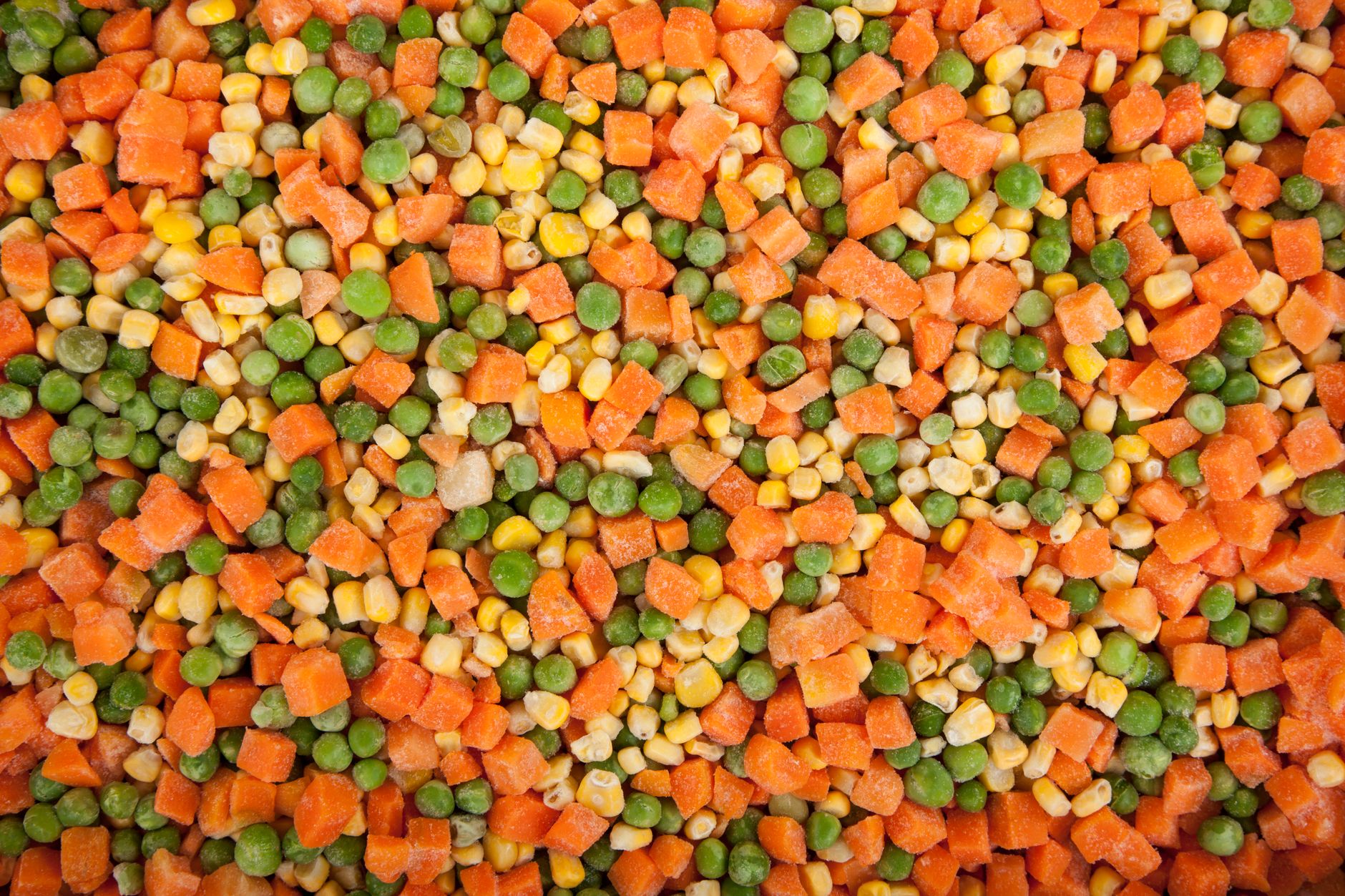
IQF, an acronym for Individually Quick Frozen, is a food preservation technique widely utilized across the food industry. This freezing method allows food products to maintain flavor, texture, and nutritional value while extending their shelf life. Understanding IQF is essential for both professionals in the food sector and home cooks who want to make informed choices about their frozen food purchases.
This article will explore the origins and history of the IQF method, its advantages, applications in various food traditions, and best practices for using IQF products in your kitchen. We will delve into how IQF foods can provide convenience without compromising quality.
What Does IQF Stand For?
IQF stands for Individually Quick Frozen. This freezing process involves rapidly cooling food items, typically using blast freezers, which allows each item to freeze quickly as an individual piece rather than in bulk. The rapid freezing process minimizes ice crystal formation, helping preserve the food’s cellular structure, resulting in better texture and taste when thawed.
Origins and History of the IQF Method
The concept of freezing food dates back centuries, but the specific IQF technology emerged in the mid-20th century. The process was developed to meet the growing demand for frozen foods in the post-World War II era. As global economies shifted and food distribution systems advanced, the need for longer-lasting food storage grew.
In the late 1950s, food scientists and technologists began experimenting with new freezing methods that would allow food items to retain their freshness and quality for extended periods. Traditional freezing methods often resulted in food items freezing together in clumps, which caused changes in texture and flavor during thawing. The development of blast freezing technology led to the IQF method, which became rapidly adopted by food processors, particularly for fruits, vegetables, and seafood.
Advantages of IQF Foods
IQF foods offer numerous advantages that have increased their popularity among consumers and food industry professionals alike.
- Quality Preservation: IQF foods tend to retain their original texture, flavor, and nutritional value much better than traditionally frozen products.
- Shelf Life: Individually frozen items have a longer shelf life compared to fresh products, making them a convenient option for home cooks.
- Portion Control: Since each food item is frozen separately, consumers can easily cook one serving or multiple servings without defrosting an entire package.
- Reduced Waste: The ability to take out only what is needed prevents food spoilage, leading to less waste.
- Convenience: IQF products are often pre-washed, pre-cut, and ready to cook, saving preparation time in the kitchen.
Common Applications of IQF Foods
IQF technology is commonly applied to a wide variety of food products, ensuring that convenience and quality can coexist. Here are several common applications:
Fruits and Vegetables
IQF fruits and vegetables are popular for their vibrant flavors and excellent texture. Berries, peas, corn, and sliced onions are just a few examples of how IQF can help preserve seasonal produce. Frozen berries, for example, can be tossed into smoothies, oatmeal, or desserts without losing their bright color or juicy taste.
Seafood
IQF seafood products, including shrimp, fish fillets, and scallops, retain their freshness and flavor, making them a favorite among seafood lovers. The rapid freezing process of fish helps prevent the formation of ice crystals that can cause a mushy texture when thawed.
Meat and Poultry
While less common than seafood, IQF meat and poultry products are also available. Individually frozen chicken breasts or beef steaks can be a practical solution for portion control and meal prep.
Ready-to-Eat Meals
Many frozen meal manufacturers utilize IQF technology to create convenient single-serving meals that retain quality. Dishes with vegetables, proteins, and grains can be easily popped in the microwave or oven for a quick and nutritious meal.
How to Cook with IQF Foods
Using IQF foods in your cooking is simple and offers a world of opportunity for delicious meals. Here’s how to get started:
Thawing IQF Foods
While some IQF items can be cooked directly from frozen, others benefit from proper thawing. Here are the best practices:
- Refrigerator: Thaw in the refrigerator overnight for best results.
- Cold Water: Submerge in cold water for quick thawing.
- Microwave: Use the defrost setting on your microwave if needed, but avoid partially cooking the food.
Cooking Methods
When cooking IQF foods, several methods are effective. Choose based on your recipe and preference:
- Sauté: For vegetables, sautéing can enhance flavor while quickly cooking them.
- Steaming: This method keeps vegetables crisp and retains their nutritional value.
- Baking: Baking IQF seafood or poultry allows for delicious seasoning and easy cooking.
- Boiling: Often effective for pasta and grains, just add IQF items to boiling water as needed.
Utilizing IQF Ingredients in Recipes
Many recipes can be adapted using IQF foods. Here’s how to approach meal creation:
- Choose IQF ingredients: Decide on the main components—frozen vegetables, proteins, or grains.
- Calculate cooking time: IQF foods may require slightly different cooking times than fresh, so adjust accordingly.
- Flavor enhancements: IQF products can be elevated with fresh herbs, spices, and sauces to enrich their taste.
Recipe Ideas Featuring IQF Ingredients
Incorporating IQF foods into your cooking can lead to several simple yet delicious recipes. Below are a few ideas to inspire your meal planning:
IQF Vegetable Stir-Fry
This quick and healthy dish highlights IQF vegetables for a flavorful meal. Use a mix of your favorite IQF veggies, such as broccoli, bell peppers, and snap peas.
- Yield: 4 servings
- Preparation Time: 10 minutes
- Cooking Time: 10 minutes
- Total Time: 20 minutes
Ingredients:
- 4 cups mixed IQF vegetables
- 1 tablespoon olive oil
- 2 cloves garlic, minced
- 2 tablespoons soy sauce
- 1 teaspoon fresh ginger, grated
- Salt and pepper to taste
Method:
- Heat olive oil in a large skillet or wok over medium-high heat.
- Add minced garlic and grated ginger, sautéing for about 1 minute until fragrant.
- Add the IQF vegetables, cooking for 8-10 minutes until heated through and tender-crisp.
- Stir in the soy sauce, salt, and pepper. Cook for another 2 minutes, then serve hot.
IQF Berry Smoothie
A quick and refreshing smoothie that takes advantage of frozen berries, offering sweetness and nutrients.
- Yield: 2 servings
- Preparation Time: 5 minutes
- Total Time: 5 minutes
Ingredients:
- 2 cups IQF mixed berries
- 1 banana
- 1 cup yogurt (or non-dairy alternative)
- 1 cup almond milk (or milk of choice)
- 1 tablespoon honey (optional)
Method:
- In a blender, combine IQF mixed berries, banana, yogurt, and almond milk.
- Blend until smooth, adding honey if desired for extra sweetness.
- Pour into glasses and enjoy immediately.
Common Mistakes When Using IQF Foods
While IQF foods provide convenience, there are common mistakes that can hinder their potential. Below are some pitfalls to avoid:
- Overcooking: IQF foods often cook more quickly than fresh items, so be mindful to check doneness sooner.
- Using heavy sauces: IQF foods can become soggy if doused in thick sauces before cooking. Opt for light seasonings.
- Ignoring cooking instructions: Be aware of specific cooking times for IQF items to ensure the best results.
Storage and Reheating IQF Foods
Proper storage and handling of IQF foods will ensure their quality is maintained. Here are some essential tips:
- Freezing: Keep IQF items in an airtight container or sealed bag to prevent freezer burn.
- Thawing: Always thaw in the refrigerator or cold water. Avoid leaving them at room temperature.
- Reheating: When reheating, do so gently to prevent overcooking and retain texture.
Incorporating IQF foods into your culinary practices allows for delicious, easy meals while minimizing waste. Whether using them for quick weeknight dinners, smoothies, or cozy casseroles, IQF products can elevate your cooking experience.
As you explore the possibilities, remember to check out tips on freezing cooked chicken or learning if you can safely put frozen chicken in a crockpot. Utilizing IQF ingredients can streamline your meal prep and provide you with healthy options, all while celebrating fresh flavors.