
Understanding the process of flash freezing is essential for anyone looking to preserve food while maintaining its flavor, texture, and nutritional value. This article explores what flash frozen means and provides practical freezing and thawing tips to help you get the most out of your ingredients.
Whether you are buying flash-frozen fruits and vegetables or plan to freeze meals for later, knowing how to properly handle these items can ensure that your food retains its quality. Let’s dive into the details of flash freezing and how it can benefit your kitchen.
What Does Flash Frozen Mean?
Flash frozen refers to the quick freezing of food to preserve its quality. This process typically involves lowering the temperature of the food rapidly to below freezing, usually at temperatures of -18°C (0°F) or lower. This immediate freezing minimizes the formation of ice crystals, which can harm the cellular structure of the food, thereby retaining its natural flavor, texture, and nutritional value.
Unlike traditional freezing methods, which can take hours and lead to larger ice crystals, flash freezing locks in freshness almost instantaneously. This technique is commonly used in commercial food processing but can also be applied in home kitchens.
Why Choose Flash Frozen Foods?
- Retained Nutrients: Flash freezing preserves the majority of the vitamins and minerals in fruits and vegetables.
- Enhanced Flavor: The flavor is locked in at the peak of freshness, leading to tastier meals.
- Convenience: Flash frozen foods are often ready to use straight from the freezer, reducing preparation time.
- Reduced Waste: By freezing foods you cannot use immediately, you can extend their shelf life and reduce waste.
Types of Foods That Benefit from Flash Freezing
Various types of foods can benefit from the flash-freezing process, including:
- Fruits: Strawberries, blueberries, and bananas can be frozen without losing their flavor or nutritional content.
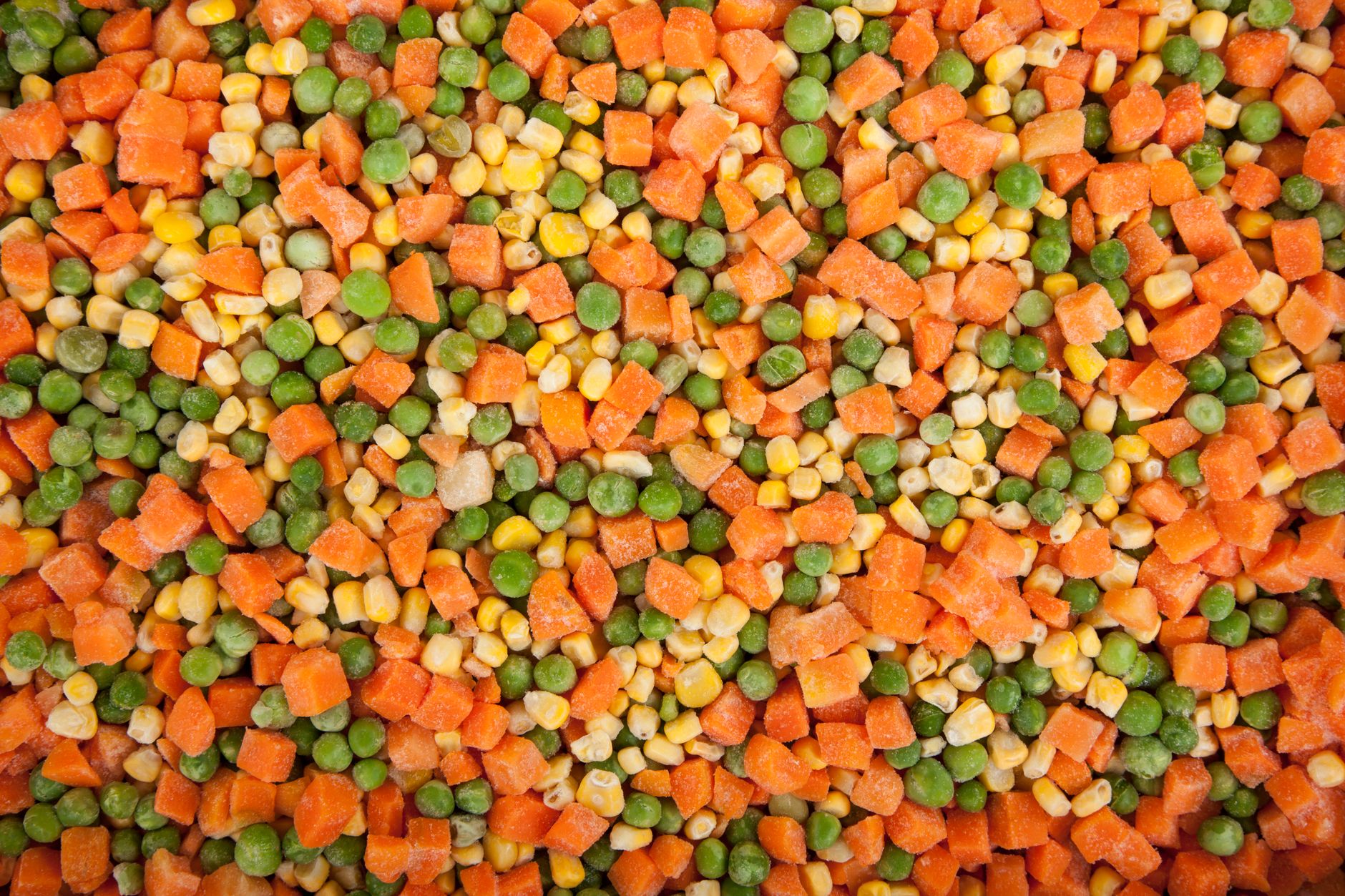
- Vegetables: Peas, carrots, and broccoli are often flash frozen to maintain their crunch and color.
- Seafood: Flash freezing is crucial for maintaining freshness in delicate fish and shellfish.
- Meats: Flash freezing can preserve the quality of cuts like chicken, beef, or pork.
How to Flash Freeze Foods at Home
While the industrial process of flash freezing involves specialized machinery, you can still achieve similar results at home with the following steps:
- Select Quality Produce: Start with fresh, ripe, and unblemished food to ensure the best final results.
- Wash and Prepare: Clean fruits and vegetables thoroughly. Cut them into uniform pieces for even freezing.
- Blanch Vegetables: For vegetables, blanching in boiling water for a few minutes, followed by an ice bath, helps preserve color and texture.
- Spread on a Baking Sheet: Arrange the prepared food in a single layer on a baking sheet. This prevents pieces from sticking together.
- Freeze Quickly: Place the baking sheet in the coldest part of your freezer for 1-2 hours, or until the food is solid.
- Store Properly: Transfer the frozen items into airtight containers or freezer bags. Label them with the date and type of food.
Thawing Flash Frozen Foods
Proper thawing is just as critical as freezing to ensure the best quality and safety of your food. Here are several effective thawing methods:
- In the Refrigerator: The safest method is to thaw food in the refrigerator overnight. This method keeps the food at a safe temperature.
- Cold Water Bath: For faster thawing, seal the food in a waterproof bag and submerge it in cold water, changing the water every 30 minutes.
- Microwave Thawing: Use your microwave’s defrost setting, but be cautious as it can start cooking some areas while others are still frozen.
- Cooking from Frozen: Some foods, like vegetables, can be cooked directly from frozen without thawing.
Common Mistakes to Avoid When Using Flash Frozen Foods
While flash frozen foods have many benefits, there are common pitfalls to watch out for:
- Not Blanching Vegetables: Failing to blanch vegetables can lead to an undesirable texture and flavor after thawing.
- Not Storing Properly: Using non-airtight containers can lead to freezer burn, affecting the taste and texture of your food.
- Long-Term Storage: Although flash-frozen items can last longer than fresh, it is still important to use them within a reasonable timeframe, typically 4-12 months, depending on the food type.
Flavor and Texture of Flash Frozen Foods
Flash freezing helps maintain the natural flavor and texture of foods. Fruits retain their sweetness and juiciness, while vegetables maintain their crispness and bright colors. When you cook flash-frozen foods properly, you should experience flavors comparable to fresh produce.
Practical Tips for Working with Flash Frozen Foods
- Use Immediately After Thawing: For best results, use thawed foods right away to enjoy their peak freshness.
- Incorporate into Recipes: Flash frozen fruits are great for smoothies, desserts, or baking, while vegetables can easily be added to stir-fries and soups.
- Monitor for Flavor: Occasionally taste a small sample after thawing to assess flavor and texture, ensuring it meets your standards.
- Freeze in Portions: Split items into smaller portions before freezing to make it easier to use only what you need.
Storage Guidelines for Flash Frozen Foods
Proper storage is crucial after flash freezing. Here are some guidelines:
- Container Selection: Use freezer-safe bags or containers to minimize air exposure.
- Labeling: Always label your containers with the date and content to keep track of freshness.
- Temperature Monitoring: Ensure your freezer operates at 0°F (-18°C) to keep items safe for consumption.
Frequently Asked Questions About Flash Freezing
Can I freeze any food?
Most foods can be frozen, but some may not fare well. Foods like cucumbers and lettuce may lose their texture upon thawing, while cooked foods generally freeze well.
Is it safe to refreeze thawed food?
Generally, it’s safe to refreeze foods that have been thawed in the refrigerator. However, if food has been thawed using the cold water or microwave methods, it should be cooked before being refrozen.
How long can flash frozen foods be stored?
Flash frozen foods can last anywhere from 4 months to a year, depending on the type of food and how well they are packaged. For optimal flavor and texture, aim to use them within 6 months.
Using Flash Frozen Ingredients in Recipes
Flash frozen foods can be incredibly versatile in both everyday meals and special dishes. Here are some ways to incorporate them:
- Flash Frozen Fruits: Create a delightful smoothie or fruit compote for desserts.
- Flash Frozen Vegetables: Add to casseroles, stir-fries, or soups for added nutrition and flavor without extended preparation times.
- Flash Frozen Seafood: Use in pasta dishes or seafood stews, ensuring even cooking temperature throughout.
Final Thoughts on Flash Freezing
Knowing what flash frozen means and understanding its process can transform how you handle ingredients in your kitchen. By freezing foods properly and thawing them mindfully, you can enjoy fresh flavors and textures all year round.
Next time you’re at the grocery store or local market, consider trying out flash frozen fruits and vegetables for convenient cooking and meal prep. For more tips on freezing cooked chicken or freezing watermelon, check out our guides.