
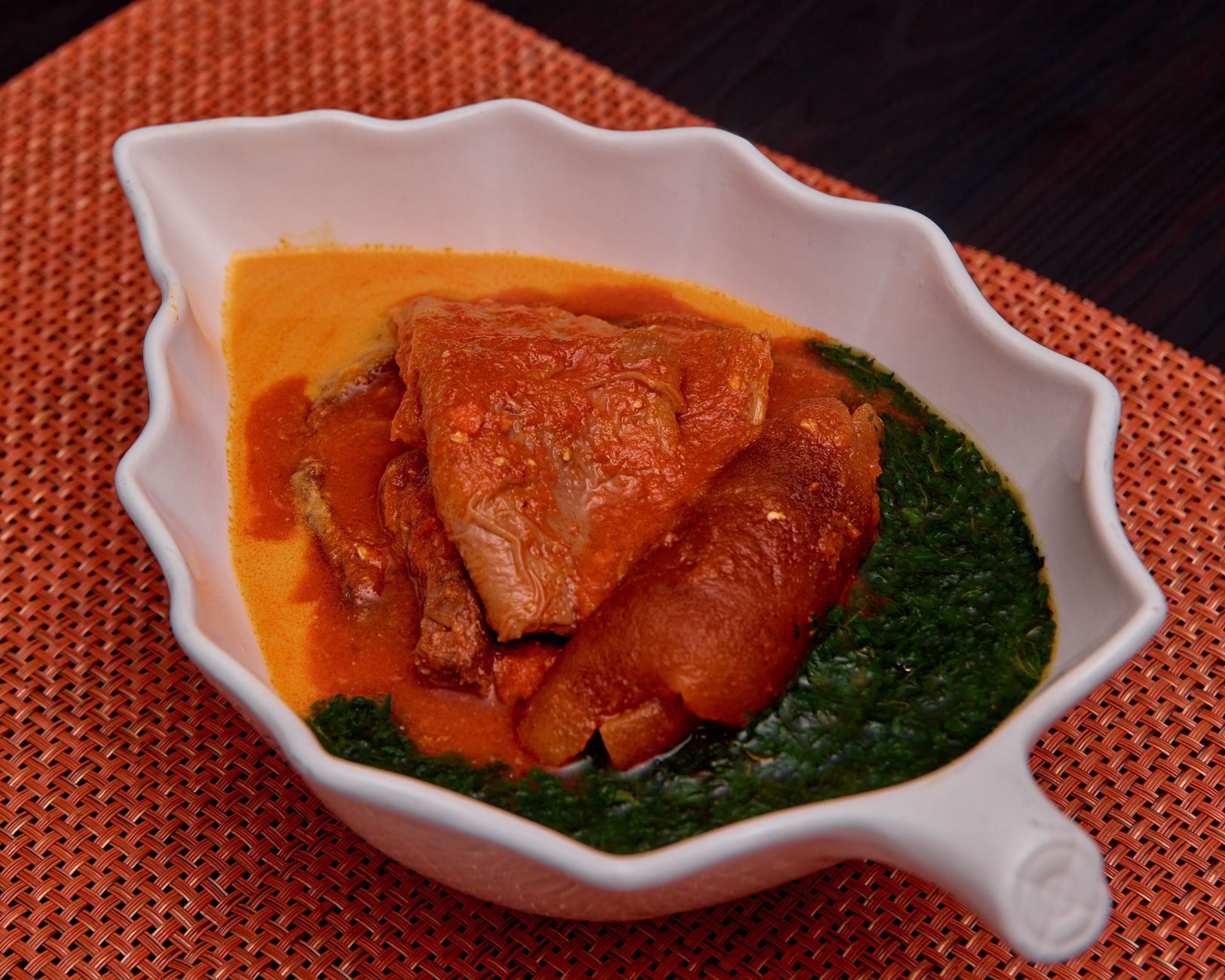
Egusi, also known as melon seeds, is a staple ingredient in West African cuisine, particularly revered in countries like Nigeria, Ghana, and Cameroon. This ingredient, derived from the seeds of the egusi melon, is not only celebrated for its nutritional benefits but also for its unique flavor profile and versatility in cooking.
The taste of egusi is often described as mild yet nutty, with a slight sweetness that complements a variety of dishes. In this article, we will explore the taste of egusi, its texture, culinary uses, pairing options, and tips for incorporating it into your meals.
What Does Egusi Taste Like?
The taste of egusi is characterized by its rich, nutty flavor reminiscent of pumpkin seeds or sunflower seeds. It has a subtle sweetness that makes it an excellent addition to savory dishes, providing depth without overpowering other flavors. Additionally, the seeds have a slightly earthy undertone that enhances their overall appeal.
When roasted, egusi seeds develop a more profound, toasted flavor, which intensifies their nuttiness. The texture of egusi can vary depending on how it is prepared; when ground into a flour or paste, it adds creamy richness to dishes. When left whole, they offer a satisfying crunch that contrasts beautifully with softer components in recipes.
Texture of Egusi
Egusi seeds are relatively hard when raw, but they can be processed into different forms, altering their texture. Here are the primary forms of egusi and their textures:
- Whole Seeds: Firm and crunchy, whole egusi seeds can provide a great textural contrast in dishes. They can be roasted to enhance their flavor and crunchiness.
- Ground Flour: When the seeds are ground into flour, they take on a gritty yet creamy consistency, suitable for thickening soups and stews.
- Paste: A mixture of ground egusi with water can create a paste that is smooth and creamy, often used in African soups.
Culinary Uses of Egusi
Egusi is a versatile ingredient found in various traditional dishes throughout West Africa. Some common culinary uses include:
- Egusi Soup: A popular dish made with ground egusi seeds, vegetables, and sometimes meat or fish. It is often served with a starchy side like pounded yam or fufu.
- Stews: Egusi can thicken stews and provide a hearty base for various meat and vegetable combinations.
- Fried Snacks: Ground egusi can be used to make fritters or cakes, which are often fried until golden brown.
- Porridge: In some cultures, egusi flour can be cooked with water or milk to create a creamy porridge breakfast option.
Flavor Pairings with Egusi
When cooking with egusi, it is essential to consider which flavors will enhance its natural taste. Here are some ingredients that pair well with egusi:
- Vegetables: Leafy greens such as spinach, kale, or bitter leaf often complement the nuttiness of egusi in soups and stews.
- Spices: Seasonings like paprika, cayenne pepper, and traditional spices such as suya spice or ground locust beans can enhance the flavor profile of dishes featuring egusi.
- Meats: Chicken, goat, beef, and fish all work well with egusi, as their flavors meld perfectly in soups and stews.
- Condiments: Serving egusi soup with a dollop of hot pepper sauce or a tangy relish can balance its richness.
How to Prepare and Cook with Egusi
Preparing egusi may seem challenging, but with the right method, it can be straightforward and rewarding. Here’s a guide on how to prepare and cook with egusi seeds:
Choosing Egusi
When selecting egusi seeds, look for whole seeds that are clean and free of debris. Fresh seeds should feel heavy and firm. Ground egusi flour can also be found in African grocery stores or online. Always check the expiration date, as fresh flour has the best flavor and nutritional value.
Roasting Egusi Seeds
- Preheat your oven to 350°F (175°C).
- Spread the whole egusi seeds in a single layer on a baking sheet.
- Roast for about 10-15 minutes, stirring occasionally until they are golden brown and fragrant.
- Let them cool before using them in your recipes.
Making Egusi Soup
To illustrate how egusi can be prepared, here’s a simple recipe for egusi soup:
- Yield: 4 servings
- Preparation Time: 15 minutes
- Cooking Time: 30 minutes
- Total Time: 45 minutes
Ingredients
- 1 cup egusi seeds, ground into powder
- 2 cups water (adjust to desired consistency)
- 1 onion, chopped
- 2 cups leafy greens (spinach or kale)
- 2 cups meat (beef, chicken, or fish)
- 2 tablespoons palm oil
- 1 tablespoon ground crayfish (optional)
- Spices (salt, pepper, and any preferred spices)
Method
- In a pot, heat the palm oil over medium heat. Add the chopped onion and sauté until translucent.
- Add the meat to the pot and sauté until browned and cooked through.
- Pour in the water and bring to a simmer.
- Stir in the ground egusi, mixing well to prevent lumps.
- Add the leafy greens and any additional spices. Allow everything to simmer for about 10-15 minutes until the soup thickens.
- Serve hot with your choice of side, such as pounded yam or rice.
Practical Substitutions for Egusi
While egusi holds a unique place in West African cuisine, some substitutions can mimic its flavor and texture if unavailable:
- Pumpkin Seeds: A close alternative, they can be used ground or whole for similar nuttiness.
- Sunflower Seeds: Offers a comparable flavor profile and can be roasted for added depth.
- Ground Nuts: Peanut flour or ground peanuts can add creaminess and nuttiness.
Common Mistakes and Troubleshooting
Cooking with egusi might present some challenges. Here are some common mistakes and how to avoid them:
- Too Much Water: Adding excessive water can lead to a watery soup. Start with less and adjust to the desired consistency.
- Overcooking: Over-simmering egusi soup can lead to a loss of flavor. Allow it to cook just until thickened and the flavors meld.
- Lumps in the Mixture: To avoid lumps when adding ground egusi to liquid, mix with a little cold water first to create a slurry before adding to the pot.
Storage and Reheating of Egusi Dishes
Proper storage of egusi dishes ensures they maintain their flavor and texture:
- Cooling: Allow any cooked egusi dishes to cool to room temperature before refrigerating.
- Refrigeration: Store leftovers in an airtight container in the fridge for up to 3-4 days.
- Reheating: Gently reheat in a saucepan over low heat, adding a little water if it has thickened too much.
Exploring Egusi in Other Cuisines
Egusi may have roots in West African cultures, but its appeal is growing around the world. Here’s how you might encounter it in other dishes:
- International Fusion: Egusi can be incorporated into contemporary dishes, such as pasta sauces or grain bowls, bringing its nutty flavor to new culinary landscapes.
- Modern Vegan/Vegetarian Cuisine: Egusi can serve as a protein-rich ingredient in non-meat-based dishes, appealing to those exploring plant-based diets.
Conclusion
Egusi is a remarkable ingredient, enriching dishes with its nutty flavor and creamy texture. Its versatility makes it a worthy addition to your cooking repertoire, providing hearty meals filled with depth and nutrition. For those looking to experiment with their cooking, integrating egusi into recipes can lead to delightful results.
If you’re interested in enhancing your culinary skills, explore related recipes and cooking tips that will elevate your meals. Discover more about cultural dishes or learn meal planning strategies to simplify your cooking life.