
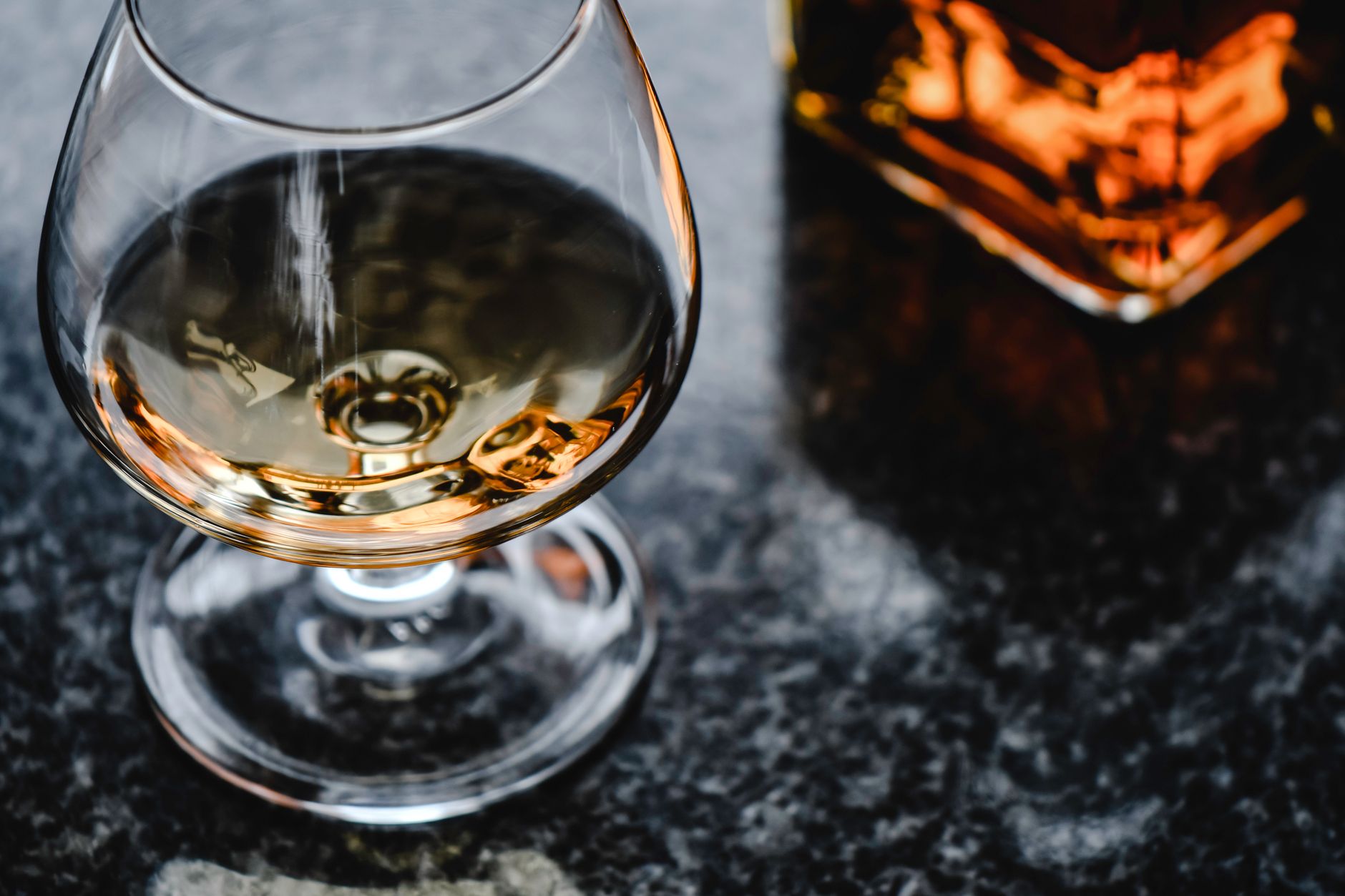
Cognac, a name that often graces the labels of sophisticated spirits, holds a rich tradition in the world of beverages. This article will delve into what cognac means, tracing its origins, exploring its unique characteristics, and highlighting its role in culinary traditions. Discover why cognac deserves a place in your kitchen and how to enjoy it beyond the glass.
Originating from the southwestern region of France, cognac is a type of brandy that is distilled from white grapes. Its refined production process and specific geographic origins contribute to its distinctive qualities. With an understanding of cognac, one can appreciate its flavor profile, food pairings, and the cultural significance it embodies.
What Does Cognac Mean?
Cognac is a type of brandy produced exclusively in the Cognac region of France. This distilled spirit must be made from specific grape varieties, primarily Ugni Blanc, and should undergo double distillation in copper pot stills. The name “cognac” is protected by the appellation d’origine contrôlée (AOC) designation, ensuring its quality and geographic authenticity.
The Origins of Cognac
The origins of cognac can be traced back to the 17th century when Dutch merchants began distilling wine to create a more portable and longer-lasting product. They discovered that by distilling wine, they could produce a spirit that not only had a higher alcohol content but also retained the flavors of the grapes used. This innovation led to the creation of cognac as we know it today.
Cognac’s production takes place in the Charente and Charente-Maritime departments, where the unique terroir and climate foster the growth of ideal grape varieties. The region is known for its chalky soil, which contributes to that distinctive mineral character in the final spirit.
The Production Process
Cognac undergoes a meticulous production process that adheres to strict regulations. Here’s an overview of how this fine spirit is made:
- Grape Harvesting: Harvesting occurs during late summer and early fall, primarily utilizing the Ugni Blanc grape, along with Folle Blanche and Colombard.
- Fermentation: The grapes are pressed, and the juice is fermented into a low-alcohol wine, usually around 7-10% alcohol by volume.
- Distillation: The wine undergoes double distillation in traditional copper pot stills. The first distillation produces “brouillis,” after which the “heart” is retained for the second distillation to create the final spirit.
- Aging: The distillate is aged in French oak barrels, which impart flavor and color. Aging typically lasts a minimum of two years, although many cognacs are aged for much longer.
- Blending: Master blenders combine different vintages and batches to create a consistent flavor profile unique to each brand.
- Bottling: Finally, the cognac is filtered and bottled, ready for consumers to enjoy.
Tasting Cognac
Understanding the flavor profile of cognac is essential for appreciating its complexity. The taste can vary significantly based on age, grape variety, and production methods. Here are some common flavor notes to expect in cognac:
- Fruity: Notes of dried fruits, such as apricot and raisin.
- Floral: Hints of violet and other floral undertones.
- Spicy: Warm spices like nutmeg and cinnamon commonly emerge, especially in older cognacs.
- Woody: Characteristics of oak, vanilla, and caramel from barrel aging.
- Earthy: Subtle mineral undertones reflecting the terroir.
How to Enjoy Cognac
Cognac is often enjoyed neat or on the rocks to appreciate its rich flavors. However, it can also be used in cocktails, providing depth and sophistication. Here are several popular ways to enjoy cognac:
Neat or On the Rocks
Pour cognac into a tulip-shaped glass, allowing its complex aromas to unfold. Sip slowly to appreciate the various flavors. If preferred on the rocks, add a single large ice cube to prevent dilution while chilling the cognac.
Cognac Cocktails
Cognac can elevate cocktail recipes, bringing warmth and richness. Here are a few classic cocktails:
Cognac Sidecar
This classic cocktail combines cognac, orange liqueur, and lemon juice. It’s refreshing and tart with a hint of sweetness.
Cognac Old Fashioned
A twist on the old classic, substituting whiskey with cognac. Muddle sugar with bitters and add cognac, served with ice. Garnish with an orange twist.
Cognac Sour
A delightful blend of cognac, lemon juice, and simple syrup. Shake with ice and strain into a glass for a refreshing drink.
Cognac in Culinary Traditions
Cognac is not just a beverage; it plays a vital role in culinary traditions around the world. Its complex flavors make it an excellent addition to various dishes:
Cooking with Cognac
Cognac can enhance the flavor of various dishes, particularly in French cuisine. Here are some ways to incorporate cognac into your cooking:
Deglazing
After sautéing meat or vegetables, add a splash of cognac to deglaze the pan, lifting the flavorful browned bits into the sauce.
Marinades
Add cognac to marinades for meats, lending complexity and depth to the flavor profile. The alcohol content helps tenderize the meat.
Soups and Sauces
Incorporate cognac into sauces, such as cream sauces or reductions, to enhance their richness and flavor.
Desserts
Cognac is also a superb addition to desserts, providing warmth and sweetness. Use it in chocolate sauces, fruit compotes, or even to soak cakes.
Cognac Pairings
Pairing cognac with food can enhance both the dish and the drink. Here are some excellent food pairings:
Cheese
Cognac pairs wonderfully with rich cheeses such as Camembert, Brie, or aged cheddar. The creamy texture and flavor contrast elevate both the cheese and cognac.
Chocolate Desserts
The deep flavors of cognac complement chocolate desserts incredibly well. Think of chocolate tarts, mousse, or fondants.
Meats and Game
Rich meats like duck, beef, or even game dishes are excellent companions to cognac, with its spiciness and fruitiness balancing savory flavors.
Storing Cognac
Properly storing cognac is crucial to maintaining its flavor and quality. Here are some tips:
- Temperature: Store cognac in a cool, dark place away from direct sunlight. Ideal temperatures are between 15°C-20°C (59°F-68°F).
- Bottles: Keep the bottle upright to prevent cork damage. A well-sealed bottle can last for years.
- Opened Bottles: Once opened, enjoy the cognac within a few years to appreciate its flavor before it changes.
Common Mistakes with Cognac
A few common errors can detract from the enjoyment of cognac:
- Over-Chilling: Chilling cognac too much can mask its flavors. Serve it at room temperature or gently chilled.
- Mixing Poorly: Mixing low-quality cognac in cocktails can ruin the drink. Use a high-quality cognac for the best experience.
- Improper Pairing: Avoid pairing cognac with overly harsh or spicy foods. Balance is key to enhancing the enjoyment of both.
Understanding Cognac Labels
Cognac labels can be confusing, but understanding the terminology helps ensure you choose quality spirits. Here are some common designators:
- VS (Very Special): Aged for a minimum of two years.
- VSOP (Very Superior Old Pale): Aged for at least four years, offering more complexity.
- XOX (Extra Old): Aged for a minimum of six years, known for rich flavors and smoothness.
- Napoleon: Similar to XO, but often denotes a higher quality.
- Hors d’Age: Often refers to cognacs older than the standard offerings, typically aged much longer.
Cultural Significance of Cognac
Cognac is more than just a beverage; it embodies a rich cultural heritage. It is a symbol of French craftsmanship, often enjoyed during celebrations and special occasions. Cognac also plays a role in toasting moments of significance, making it a cherished part of life’s milestones.
From refined sipping at the end of a meal to culinary enhancements, cognac holds a versatile place in both drinking and dining experiences. Understanding its production, tasting notes, and culinary applications opens up a world of enjoyment and exploration.
Integrate cognac into your culinary repertoire, whether through delightful cocktails or in exquisite dishes. This versatile spirit can elevate dining experiences and simply be enjoyed for its complex flavors.
Explore related recipes or tips for enhancing your culinary skills using options like brandy slush or try your hand at a classic whiskey sour cocktail for further inspiration.