
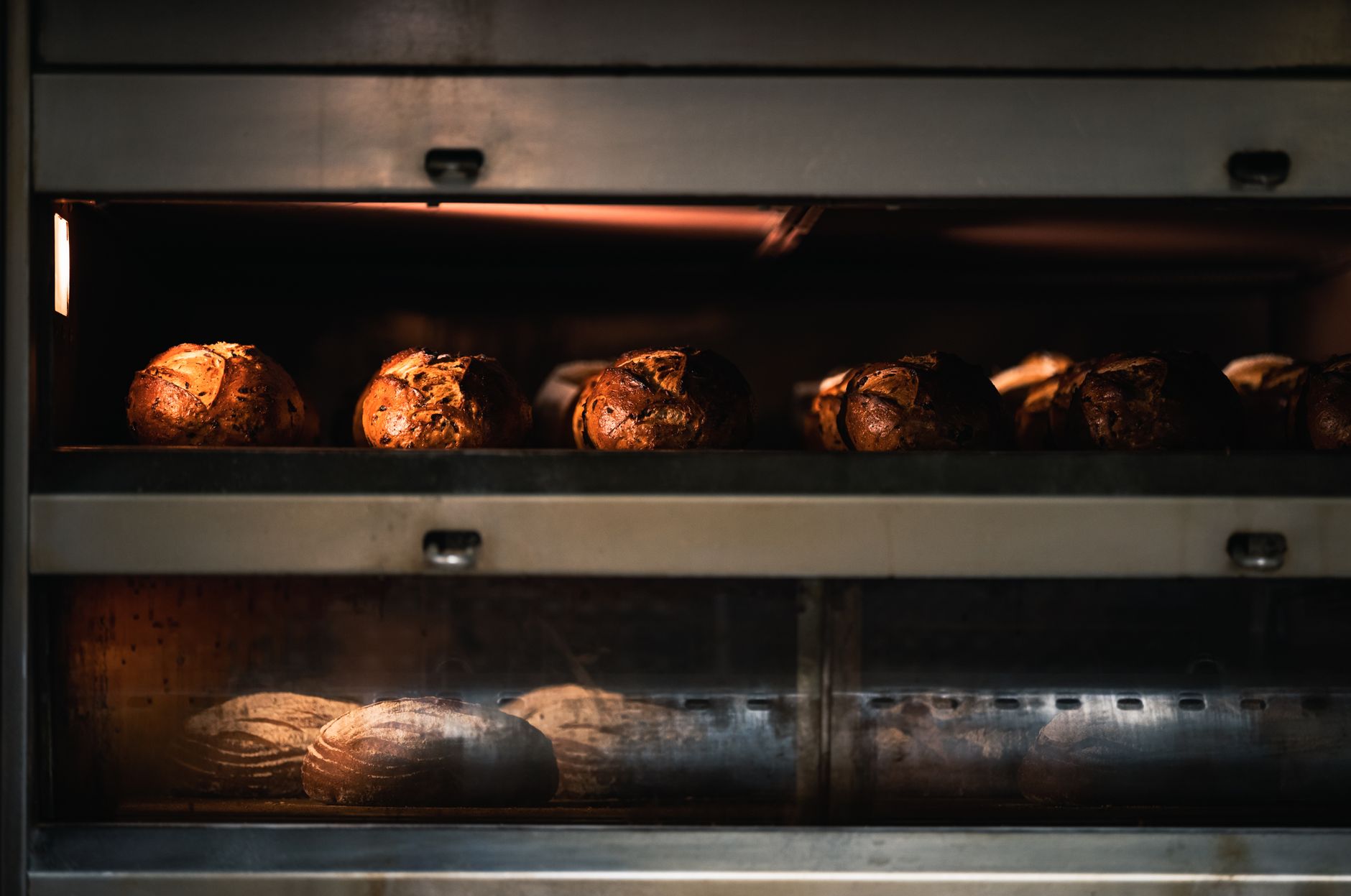
When you think of French cuisine, images of fresh bread, flaky pastries, and warm baguettes often come to mind. Central to this delightful world of baked goods is the term “boulangerie.” But what exactly does it mean and how does it shape the way we experience food today?
The term “boulangerie” refers to a type of bakery that specializes in bread and other traditional baked goods. This article will explore the definition, history, types of products found in a boulangerie, and what makes these bakeries unique in the culinary landscape.
What Does Boulangerie Mean?
The word “boulangerie” is French for “bakery,” more specifically one that focuses primarily on bread. It derives from “boulanger,” meaning “baker,” a term steeped in a rich history that reflects France’s deep-rooted traditions regarding bread-making and baked goods.
In France, boulangeries are a staple of the community, offering daily essentials that have become ingrained in the culture, such as baguettes, pain de campagne (country bread), and various sweet treats. The existence of boulangeries highlights the French people’s appreciation for high-quality, artisanal bread made with care and craftsmanship.
A Brief History of Boulangeries
To understand the significance of boulangeries in French culture, it’s essential to look back at how they have evolved over time. The practice of baking bread dates back thousands of years, but the modern concept of a boulangerie began to take shape in the medieval period.
In medieval France, bread was more than a staple; it was a cornerstone of daily life. The first known reference to bakers, or “boulanger,” can be traced back to the 15th century when regulations began to form about bread quality and pricing. The French Revolution in the 18th century further propelled the boulangerie into the social consciousness, as access to good bread became a political issue.
As industrialization took hold in the 19th century, bakeries began to incorporate machinery into their bread-making processes. However, the introduction of the “artisan” boulangerie movement in the late 20th century led a resurgence in traditional methods, emphasizing quality ingredients and time-honored techniques. Today, many boulangeries pride themselves on using sourdough starters, organic flour, and time-intensive fermentation processes to produce superior bread.
The Role of Boulangeries in French Cuisine
Boulangeries play an essential role in the daily lives of French citizens, offering not just a product but a community experience. People often stop by their local boulangerie in the morning to pick up fresh bread or pastries as part of their daily routine.
The menu at a typical boulangerie includes various breads, pastries, and sometimes even light meals. Here are some common items you’ll find:
- Baguette: A long, thin loaf with a crisp crust and soft interior, the baguette is perhaps the most iconic French bread.
- Pain de Campagne: A rustic country bread often made with a mix of white and whole wheat flour, this bread has a hearty flavor and texture.
- Viennoiseries: These include sweet pastries like croissants and pain au chocolat, which often feature buttery layers and flaky textures.
- Fougasse: A flatbread often enriched with olives, herbs, or cheese, this versatile bread is suitable for snacking or meals.
- Brioche: A soft, sweet bread enriched with eggs and butter, brioche can be used for both sweet and savory dishes.
The Art of Baking in a Boulangerie
To truly appreciate what boulangeries offer, one must understand the art of baking that takes place within their walls. This involves several critical steps and techniques that ensure high-quality products.
Choosing Ingredients
In a boulangerie, the selection of ingredients is paramount. High-quality flour, water, salt, and yeast are the foundational components of bread. Many bakeries use organic or locally-sourced ingredients to enhance flavor and ensure freshness. Here are considerations when choosing each component:
- Flour: Different types of flour yield different textures and flavors. A strong bread flour is often chosen for its high protein content, while others may incorporate whole wheat for added depth.
- Water: The quality of water used can affect the flavor of the bread. Soft, filtered water is often the best choice to avoid any unwanted tastes.
- Yeast: Fresh yeast is preferred by many artisan bakers, although instant yeast is also used for convenience.
- Salt: Salt is crucial for flavor and also regulates yeast fermentation during the bread-making process.
Techniques and Methods
Knowing the right techniques is essential to mastering boulangerie-style bread baking. Each step contributes to the final product’s flavor, texture, and shelf life.
- Mixing: Ingredients are combined carefully to achieve the right consistency of dough.
- Fermentation: Allowing the dough to rise during fermentation enhances flavors and improves texture.
- Kneading: This step develops gluten structure, which is crucial for the bread’s rise and chewy texture.
- Shaping: Properly shaping the dough affects the final appearance and texture.
- Baking: The right oven temperature and steam can create the desired crust and color.
Visiting a Boulangerie: What to Expect
When you step into a boulangerie, you’re greeted by enticing aromas and lovely displays of freshly baked goods. It’s an experience just as much as it is a transaction. Here’s what you can expect during your visit:
Ambiance
The ambiance is often warm and inviting, with displays of bread and pastries artfully arranged to tempt your palate. Many boulangeries also feature rustic décor, evoking traditional French charm.
Customer Interaction
Bakeries often pride themselves on customer service, and friendly interactions are what make the visit enjoyable. A skilled baker may be on hand to answer questions or offer suggestions based on what’s fresh that day.
Sampling and Shopping
Some boulangeries may offer samples so customers can taste before they buy. Traditional French etiquette typically includes purchasing a “baguette” by asking for “une baguette, s’il vous plaît” and enjoying it straight from the shop for the best experience.
Tips for Enjoying Boulangerie Products
Harnessing the full experience of boulangerie goods requires some understanding of how to best enjoy them. Here are several tips:
- Freshness: Aim to consume baked goods as soon as possible after purchase. Bread is best enjoyed the same day it’s baked.
- Storing: If you need to store your bread, wrap it in a cloth to avoid trapping moisture. For longer storage, consider slicing and freezing.
- Pairings: Enjoy breads with complementary items like cheeses, cured meats, or spreads to enhance flavors.
- Reheating: If you must reheat bread, do it in an oven for a short time to regain its crusty exterior rather than in a microwave.
Baking Your Own Baguette: A Guide
If the idea of a freshly baked baguette from a boulangerie fills your heart with joy, why not try making one at home? With careful attention to detail, you can create delicious bread that captures the essence of a classical boulangerie. Here’s a simple guide to making your own baguette.
Yield and Timing
This recipe yields 2 baguettes with an estimated preparation time of 30 minutes, a rest period of 2 hours, and a baking time of approximately 25 minutes.
Ingredients
- 4 cups (500 grams) bread flour
- 1 ½ teaspoons (7 grams) active dry yeast
- 1 ½ teaspoons (9 grams) salt
- 1 ⅓ cups (320 ml) lukewarm water
Essential Equipment
- Mixing bowl
- Spoon or dough whisk
- Bench scraper
- Baking sheet or pizza stone
- Sharp knife or lame for scoring
- Kitchen towel
- Oven
Method
- In a large mixing bowl, combine water and yeast, whisking gently until dissolved. Let sit for 5 to 10 minutes until foamy.
- Add flour and salt to the yeast mixture. Mix until a shaggy dough forms.
- Knead the dough on a lightly floured surface for about 10 minutes until smooth and elastic.
- Place the dough back in the bowl, cover with a kitchen towel, and let rise in a warm place for about 1 to 2 hours, or until doubled in size.
- Once risen, punch down the dough to release excess air. Divide the dough into 2 equal pieces.
- Shape each piece into a baguette by flattening it slightly, then rolling it into a long cylinder. Ensure the ends are tapered.
- Place shaped baguettes onto a baking sheet lined with parchment paper, or on a floured pizza stone. Cover again with a kitchen towel and let rise for another 30-60 minutes until puffed.
- Preheat the oven to 475°F (245°C). Place an empty pan at the bottom of the oven to create steam.
- Once risen, score the tops of the baguettes with a sharp knife at a diagonal angle.
- Carefully pour water into the empty pan to generate steam and immediately place the baguettes in the oven. Bake for 20-25 minutes or until golden brown.
- Remove the baguettes from the oven and cool on a wire rack.
Common Mistakes and Troubleshooting
Even the most seasoned bakers can encounter issues. Here are a few common mistakes and solutions:
- Dough too sticky: If your dough is overly sticky, consider adding a little extra flour during kneading.
- Flat bread: If the bread doesn’t rise sufficiently, check your yeast for freshness before use.
- Under-baked centers: Use a thermometer to check for a minimum internal bread temperature of 190°F (88°C) for proper doneness.
Exploring Beyond Boulangeries: Patisseries and More
While boulangeries are vital to French cuisine, they are only part of the larger baking story. Patisseries, which specialize in pastries and desserts, are often located nearby. Understanding this distinction can enhance your appreciation for the entirety of the bakery experience.
What is a Patisserie?
A patisserie focuses on producing sweet items like éclairs, tarts, croissants, and elaborate cakes. The term is strictly regulated in France, similar to boulangeries, indicating a level of skill and artistry in pastry-making.
During your visits to boulangeries and patisseries, don’t forget to explore these sweet options. Each item tells a story and offers a window into the rich culinary heritage of France.
Conclusion
The boulangerie is more than just a bakery; it’s a reflection of culture, tradition, and community. With deep historical roots, it holds a prime position in the hearts of the French people and food lovers around the world. Being informed about what constitutes a boulangerie enhances your appreciation as you pick up a baguette or savor a croissant.
Next time you visit a boulangerie, indulge in the flavors and textures of their fresh offerings or try your hand at baking your own baguette at home. You might just find the experience enriching and rewarding.
For more baking inspiration, check out our sourdough baguette recipe or try making some delicious snacks with our Auntie Anne’s pretzel recipe.