
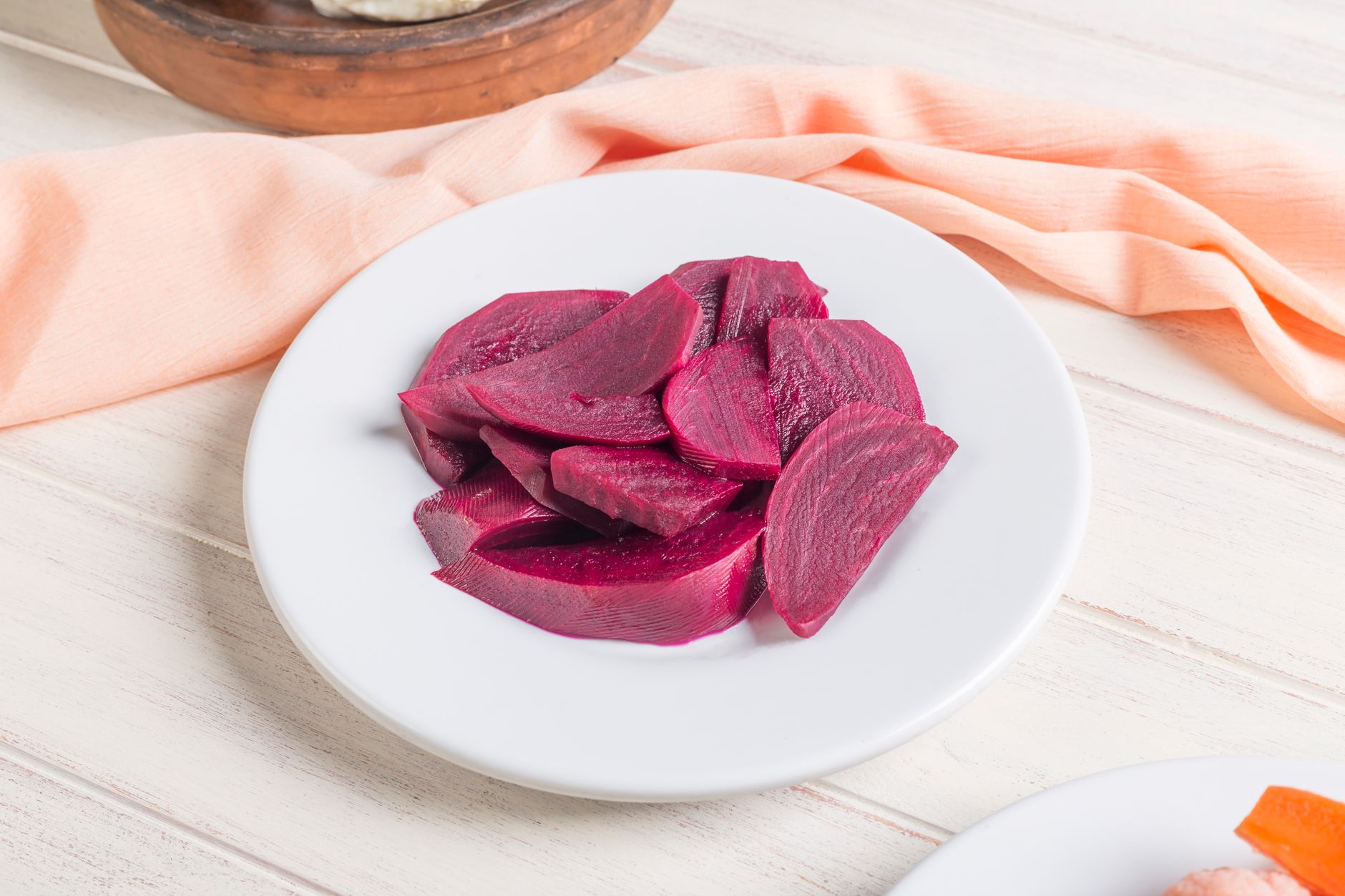
Beetroot is a vibrant, versatile root vegetable known for its deep crimson hue and earthiness. Understanding what beetroot looks like can enhance your culinary experience, whether you’re incorporating it into your daily meals or exploring its unique flavor profile. This guide will help you identify beetroot, delve into its culinary uses, and suggest various ways to incorporate it into your cooking.
Beetroot is not just a feast for the taste buds but also an eye-catching addition to any dish with its striking colors. In this article, we’ll explore its appearance, nutritional benefits, how to choose and store it, plus some delightful ways to prepare and enjoy beetroot.
What Does Beetroot Look Like?
Beetroot is a round to oval-shaped root vegetable, typically ranging from 2 to 8 inches in diameter. Its skin is smooth but can often appear rough, with a deep purple-red color being the most recognizable trait. However, beetroot also comes in different varieties, yielding colors like golden yellow and striped patterns, known as “Chioggia” beets.
When cut, beetroot reveals a dense, juicy interior that is often just as colorful as its exterior. The deep red variety boasts a bright, rich crimson flesh, while golden beets have a more yellow-orange hue that offers a milder flavor. The greens, or beet tops, are also edible and feature a green color with reddish stems, adding to the visual appeal of the plant.
Health Benefits and Nutritional Value of Beetroot
Beetroot is low in calories but high in essential nutrients, making it a valuable addition to a balanced diet. Here are some nutritional highlights:
- Low in calories: Approximately 43 calories per 100 grams.
- High in fiber: Supports digestive health and aids in maintaining a healthy weight.
- Rich in vitamins: Excellent source of vitamin C, folate, and vitamins B6 and A.
- Minerals: Contains essential minerals such as manganese, potassium, iron, and magnesium.
- Antioxidants: Beetroot is rich in betalains, which possess anti-inflammatory and antioxidant properties.
How to Choose and Store Beetroot
Choosing Beetroot
When selecting beetroot, here are some tips to ensure you choose the best quality:
- Look for firm roots: Choose beetroot that feels heavy for its size and has a smooth surface free of cracks or blemishes.
- Check the greens: Fresh beet tops should be vibrant green and crisp. If the greens are wilting or yellowing, the beetroot may not be as fresh.
- Size doesn’t matter: Smaller beetroots are more tender and sweet, while larger ones may be tougher but are still suitable for cooking.
Storing Beetroot
To prolong the freshness of beetroot, follow these storage tips:
- Remove greens: Cut off the beet greens, as they can draw moisture from the roots. Leave about 1 inch of stem attached.
- Refrigeration: Store unwashed beetroot in the crisper drawer of your refrigerator, where they can last up to 2-3 weeks.
- Cooked beetroot: If cooked, store in an airtight container in the refrigerator for up to 5 days. Ensure they are cooled before sealing the container.
Ways to Prepare and Use Beetroot
Cooking Techniques
Beetroot can be prepared in various ways, enhancing its flavor and texture. Here are some popular methods:
- Roasting: Roasting brings out the natural sweetness of beetroot. Wrap them in foil and roast in the oven at 400°F (200°C) for about 45-60 minutes until tender.
- Boiling: Boil whole beets in salted water for 30-45 minutes until fork-tender. Once cooked, the skins can be easily peeled off.
- Steaming: Steaming beetroot helps retain more nutrients compared to boiling. Steam whole beets for about 25-35 minutes.
- Grating: Raw beetroot can be grated or spiralized for salads or garnishes, offering a crunchy texture and earthy flavor.
- Juicing: Beetroot juice is rich in antioxidants and can be blended with other fruits and vegetables for a nutritious drink.
Recipe Ideas
Here are some delicious ways to enjoy beetroot:
Roasted Beetroot Salad
This dish combines roasted beetroot with arugula, goat cheese, and toasted walnuts, drizzled with balsamic vinaigrette.
Beetroot Soup (Borscht)
A classic Eastern European soup made from boiled beetroot, served hot or cold, often garnished with sour cream and dill.
Beetroot Hummus
A vibrant twist on traditional hummus, blended with roasted beetroot, tahini, garlic, lemon juice, and olive oil for a colorful dip.
Beetroot Chips
Thinly slice beetroot, toss with olive oil and seasoning, and bake in the oven until crispy for a healthy snack.
Practical Substitutions
If you don’t have beetroot on hand, consider these substitutions:
- Red cabbage: Offers a similar earthy flavor and vibrant color for salads and slaws.
- Rutabaga: A root vegetable with a slightly sweeter flavor; it works well in roasted dishes.
- Carrots: A common carrot provides sweetness and a crunch that can mimic the texture of beetroot in different recipes.
Common Mistakes and Troubleshooting
Here are a few pitfalls to avoid when working with beetroot:
- Overcooking: Be mindful not to overcook beetroot, as it can become mushy. Check for tenderness periodically.
- Staining: Beetroot juice can stain easily; consider using gloves while handling raw beets and wiping any spills immediately.
- Inaccurate cooking time: Remember that cooking time varies based on the size and method. Whole beets take longer than sliced ones.
Serving Suggestions
Beetroot can be served in numerous ways:
- As a side dish: Roasted or boiled beetroot pairs well with meats or as part of a vegetable medley.
- In salads: Add grated or roasted beetroot to salads for a pop of color and flavor.
- As a smoothie ingredient: Blend raw or cooked beetroot with other fruits for a nutritious breakfast option.
- On a charcuterie board: Slices of pickled beetroot can elevate any cheese platter.
Make-Ahead Beetroot Dishes
Many beetroot dishes can be prepared ahead of time, making meal prep easier:
- Cooked beetroot: You can roast or boil beetroot in advance and store it in the fridge for up to a week.
- Beetroot dips: Prepare beetroot hummus or dips ahead and store in airtight containers for quick snacks or appetizers.
- Beet salads: Assemble salads with cooked beetroot, greens, and cheese in advance; add dressing just before serving to keep ingredients fresh.
Storing and Reheating Beetroot
Proper storage is essential to maintain the freshness of your beetroot dishes:
- Refrigerate: Store cooked beetroot dishes in an airtight container in the refrigerator to keep them fresh. They usually last up to 5 days.
- Freezing: Beetroot can be frozen. Cook and slice them first before freezing in a single layer on a baking sheet. Once frozen, transfer them to an airtight container.
- Reheat gently: When reheating beetroot dishes, do so on low heat to prevent losing the moisture and flavor.
Exploring Beetroot Varieties
While the typical ruby-red beetroot is the most common, several interesting varieties are worth exploring:
- Golden Beetroot: A sweeter, earthier flavor compared to the standard red variety, ideal for roasting and salads.
- Chioggia Beet: Also known as candy cane beets, these have alternating rings of red and white. Their mild flavor makes them great for salads.
- Baby Beets: Young beetroots are smaller and tender, perfect for quick-cooking methods or eating raw.
Regional Beetroot Dishes
Different cultures feature beetroot in their traditional dishes:
- Borscht: A traditional Eastern European soup, primarily made from beetroot and usually accompanied by sour cream.
- Salat Olivye: A Russian salad made with boiled beetroots, potatoes, carrots, peas, and mayonnaise, often served during holidays.
- Beetroot and Feta Salad: A popular dish in Mediterranean cuisine, combining roasted beetroot with feta and nuts.
Beetroot is an incredibly versatile ingredient that can elevate countless dishes while providing health benefits. Its vibrant color and earthy flavor make it a prime candidate for both casual cooking and gourmet preparations. By understanding its appearance, benefits, and various culinary uses, you can take full advantage of this nutritious vegetable in your kitchen.
Ready to dive into new culinary adventures? Check out our recipe for delicious Harvard Beets or explore the unique flavors of Purple Sweet Potato. Discover how to incorporate these vibrant ingredients into your meals for delightful results!