
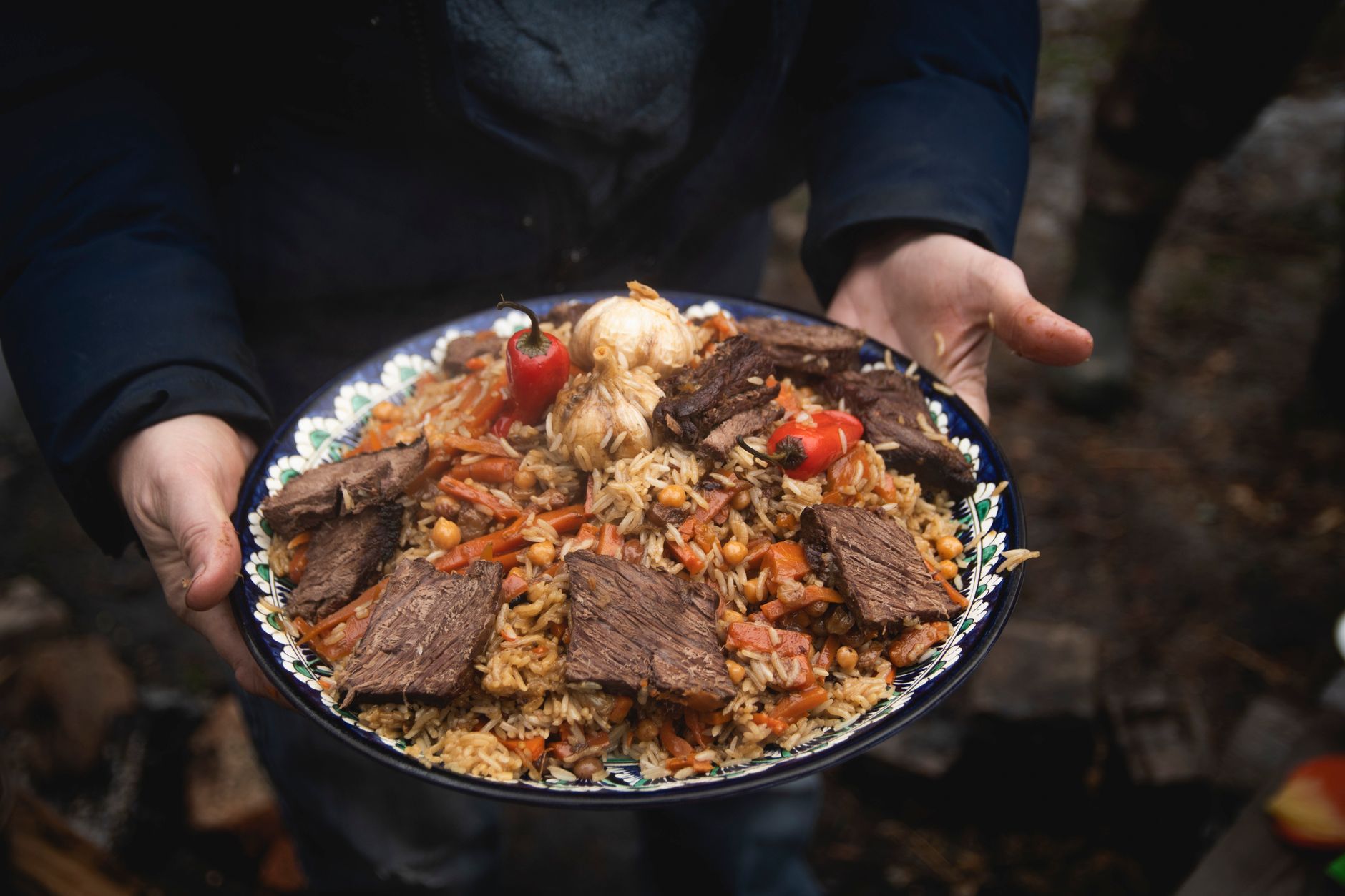
The taste of bear meat often intrigues adventurous eaters and those interested in unique protein sources. This article aims to detail what bear tastes like, how to prepare it, cooking techniques, and important considerations regarding its flavor and texture.
Bear meat is a rich, fascinating ingredient with a flavor profile that can vary widely based on the bear’s diet and the way it is prepared. While not commonly found in grocery stores, it is sometimes available from specialty butchers or local hunters.
What Does Bear Taste Like?
Bear meat is often described as having a gamey flavor, similar to beef but richer and somewhat sweeter. The taste can resemble pork due to its fat content, depending on the bear’s diet, which typically includes berries, fish, and vegetation. Younger bears tend to have a milder flavor, while mature bears can have a stronger, more robust taste.
Flavor Profile of Bear Meat
The flavor of bear meat can be classified into several characteristics:
- Gamey: The meat has a pronounced gamey flavor, which is often stronger than conventional meats.
- Rich and Fatty: Bear meat can be particularly rich, as bears carry a significant amount of fat, which contributes to its texture and flavor.
- Sweet Notes: Some bear meat has a slight sweetness reminiscent of pork.
- Variety by Species: The taste may vary depending on the bear species, with black bear meat generally being milder than that of brown bears.
Understanding Bear Meat Variations
Bear meat can vary significantly in flavor and texture based on several factors:
- Diet: Bears that feed on fish and berries tend to produce meat with a distinct taste. In contrast, those that consume plant matter can yield milder meat.
- Age: Young bears generally provide more tender and less gamey meat than older bears, which can have tougher, more intense flavors.
- Season: The time of year and the bear’s fat content, which fluctuates with the seasons, can greatly affect flavor.
Cooking Techniques for Bear Meat
Proper preparation and cooking are essential for extracting the best flavors from bear meat and ensuring safety. Here are some common techniques:
Marinating
Marinating bear meat can help to neutralize its strong flavor. It’s best to marinate for at least several hours or overnight. Use ingredients like:
- Acidic components such as vinegar or citrus juices
- Herbs and spices, such as garlic, rosemary, and thyme
- Oils that contribute flavor, like olive oil or sesame oil
Slow Cooking
Using a slow cooker or braising over low heat helps tenderize bear meat while allowing flavors to develop. Here’s how to efficiently slow cook bear meat:
- Cut the meat into manageable pieces.
- Brown the meat in a pan to create flavor.
- Add aromatic vegetables such as onions and garlic.
- Cover with broth or water, seasonings, and any desired liquids.
- Cook on low for 8 hours or until the meat is tender.
Grilling and Smoking
Grilling and smoking enhance the flavors of bear meat significantly, imparting a depth of flavor that is exceptionally appealing. Here’s a brief guide:
- Marinate the meat for additional flavor.
- Preheat your grill to a medium temperature.
- Use indirect heat to minimize flare-ups due to fat.
- Grill until the internal temperature reaches at least 160°F (71°C) for safety.
Common Mistakes When Cooking Bear Meat
Some mistakes can detract from the quality of bear dishes. Avoid these errors:
- Overcooking: This can lead to a dry and tough result. Always use a meat thermometer to check for doneness.
- Skipping proper fat trimming: Bear meat can be fatty, and without trimming, the richness may overwhelm the dish.
- Neglecting marination: Seasoning and marinating are crucial in balancing flavor.
Health Considerations
Cooking bear meat safely is paramount due to potential health risks. Due to the risk of trichinosis, it is essential to cook bear meat to an internal temperature of at least 160°F (71°C). This will kill any parasites that may be present.
Substitutions for Bear Meat
If bear meat is not available, consider these alternatives:
- Pork: A mild substitute that can mimic the sweetness of bear.
- Venison: Offers a similar gamey flavor, though it may be leaner.
- Beef: A more accessible option that offers a similar texture but less richness.
Recipe Ideas Featuring Bear Meat
Here are some recipe suggestions that highlight the rich and flavorful nature of bear meat:
Bear Stew
This hearty stew makes an excellent use of tougher cuts of bear meat, providing a warming comfort food experience.
- Servings: 6-8
- Preparation time: 20 minutes
- Cooking time: 2-3 hours
- Cut bear meat into bite-sized pieces.
- Brown meat in a heavy pot.
- Add root vegetables and aromatic herbs.
- Cover with broth and simmer until everything is tender.
Grilled Bear Burgers
For a unique twist on a classic burger, bear meat can be shaped into patties.
- Servings: 4
- Preparation time: 15 minutes
- Cooking time: 10-15 minutes
- Combine ground bear meat with breadcrumbs and seasonings.
- Shape into patties and grill over medium heat.
- Cook to an internal temperature of 160°F (71°C).
Storage and Reheating of Bear Meat
Bear meat can be stored in the following ways:
- Refrigeration: Raw bear meat should be consumed or cooked within 2 days, while cooked bear meat can last in the fridge for up to 3-4 days.
- Freezing: Bear meat freezes well when wrapped properly in plastic wrap or airtight containers, lasting for up to 6 months.
- Reheating: Ensure that previously cooked bear meat is heated to an internal temperature of 165°F (74°C) for safety.
Serving Suggestions
Bear meat pairs well with various side dishes that balance its rich flavor:
- Roasted root vegetables
- Rich, creamy mashed potatoes
- Fresh seasonal salads to provide contrast
For a touch of creativity, consider serving bear meat with traditional accompaniments like cranberry sauce, as its tartness pairs well with the meat’s richness.
Exploring the taste of bear meat offers a remarkable culinary experience and a unique alternative to more common meats. Understanding its flavor profile and employing appropriate cooking methods can enhance your dishes and create a memorable meal.
As you delve into this adventurous meat, explore other unique ingredients and cooking techniques in our other food guides. Discover ways to enhance your culinary skills and experiment with uncommon flavors.