
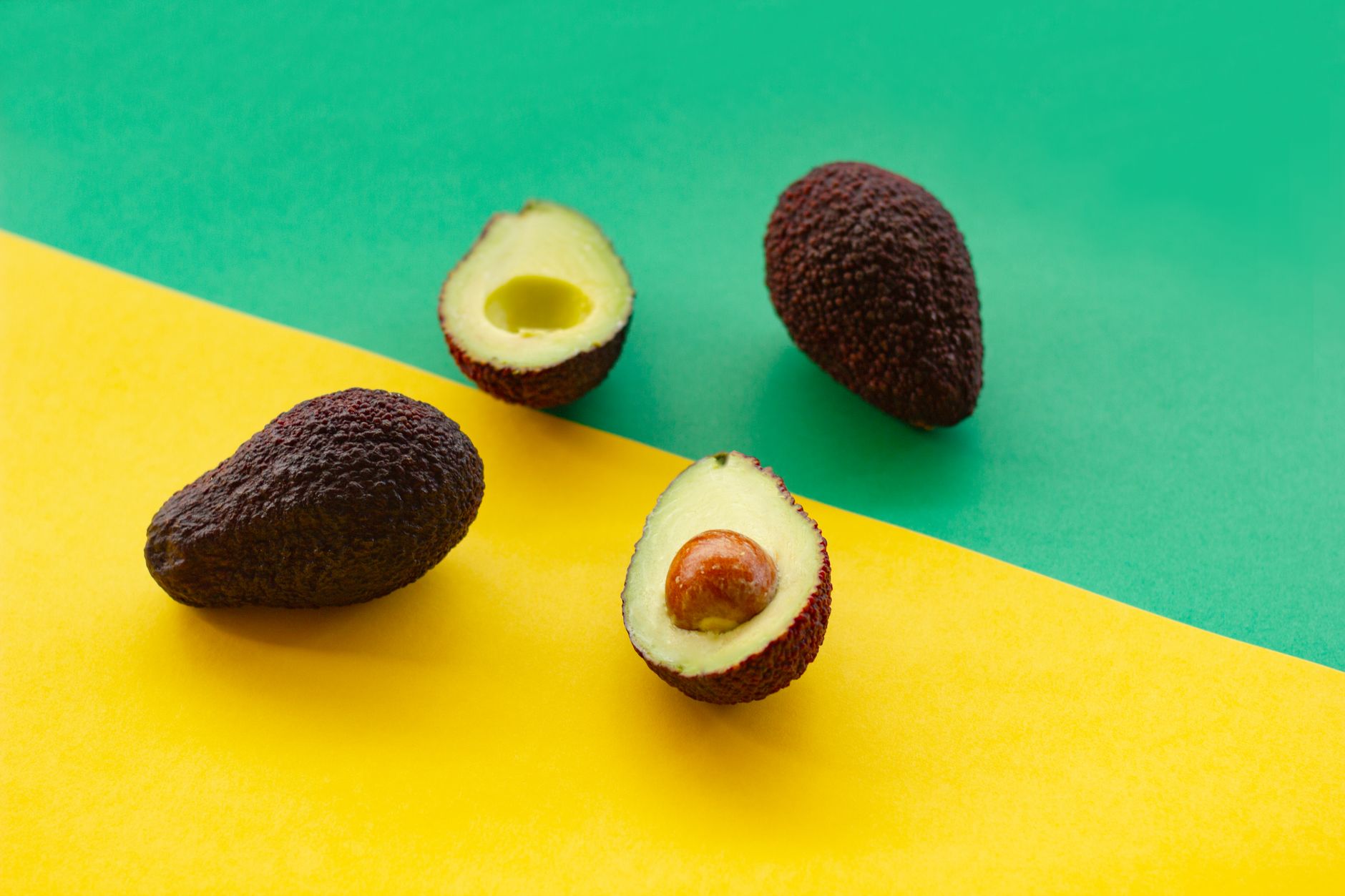
Avocado is a unique fruit that has gained popularity for its rich, creamy texture and impressive nutritional profile. Not only does it enhance the flavor and texture of dishes, but it also provides numerous health benefits due to its healthy fats, vitamins, and minerals. This article explores what avocado does for the body, its culinary uses, and key facts about this versatile fruit.
From savory dishes to desserts, avocados can be incorporated into a variety of meals. Understanding the role avocados play in our diet can help you make informed choices when planning meals or snacking. Let’s delve into how avocados benefit the body and some exciting ways to use them.
What Does Avocado Do for the Body?
Avocado offers a multitude of health benefits thanks to its nutrient-rich composition. It is high in monounsaturated fats, which are known to promote heart health by lowering bad cholesterol levels. Additionally, avocados are packed with vitamins, minerals, and fiber, contributing to overall wellness and aiding digestion.
Nutritional Profile of Avocado
A medium avocado typically contains:
- Calories: Approximately 240
- Fat: 22 grams (mostly healthy monounsaturated fats)
- Carbohydrates: 12 grams
- Fiber: 10 grams
- Protein: 3 grams
- Vitamin K: 26% of the Daily Value (DV)
- Folate: 20% of the DV
- Vitamin C: 17% of the DV
- Potassium: 14% of the DV
This nutrient density contributes significantly to its many health benefits, which include:
1. Heart Health
The monounsaturated fats in avocados are beneficial for heart health. Consuming avocados regularly can help lower levels of bad cholesterol (LDL) while raising good cholesterol (HDL). This balance can reduce the risk of heart disease and stroke.
2. Weight Management
Although avocados are calorie-dense, their high fiber content promotes satiety, which may aid in weight management. Including avocados in balanced meals can help control hunger and reduce the temptation to overeat.
3. Improved Digestion
The fiber found in avocados supports digestion by promoting regular bowel movements and enhancing gut health. A healthy digestive system is crucial for overall health as it helps in the absorption of nutrients.
4. Nutrient Absorption
Avocados can enhance the absorption of fat-soluble vitamins (A, D, E, and K) from other foods. Adding avocado to salads or other vegetable dishes can improve the nutrient profile of your meal.
5. Skin Health
The beneficial fats in avocado support skin health and may help maintain moisture and elasticity. Additionally, the antioxidants in avocados, such as vitamin E, can protect the skin against oxidative stress and damage from the sun.
6. Anti-Inflammatory Properties
Avocados contain compounds that have anti-inflammatory properties. Regular consumption may help reduce inflammation in the body, which is linked to various chronic diseases.
Culinary Uses of Avocado
Avocados are incredibly versatile in the kitchen. Here are some popular ways to incorporate them into your meals:
Guacamole
One of the most popular uses for avocados is in guacamole. This classic Mexican dip can be made with simple ingredients like lime, salt, onions, and tomatoes.
Salads and Sandwiches
Adding sliced or cubed avocado to salads increases creaminess and nutritional value. It can also be used as a spread on sandwiches or toast instead of mayonnaise or butter.
Smoothies
Avocado adds a rich texture to smoothies. Blend it with your favorite fruits for a nutritious breakfast or snack.
Desserts
Avocado can be surprisingly effective in desserts, acting as a healthier fat substitute in recipes like chocolate mousse or puddings.
How to Choose and Store Avocado
When selecting an avocado, look for one that is firm but yields slightly to gentle pressure. A darker skin doesn’t always indicate ripeness; it’s essential to check for give. If an avocado is hard, leave it at room temperature to ripen. Once ripe, it can be stored in the refrigerator to slow down the ripening process.
Common Mistakes When Using Avocados
Here are common mistakes to avoid when incorporating avocados into your cooking:
- Not using ripe avocados: Always ensure your avocados are ripe for the best flavor and texture.
- Storing cut avocados improperly: Store cut avocados with the pit still inside and brush the exposed flesh with lemon or lime juice to prevent browning.
- Overcooking avocados: Avoid exposing avocados to high heat; they are best used fresh or added to cooked dishes at the end of cooking.
Practical Substitutions for Avocado
Avocado can sometimes be substituted for other ingredients in recipes. Here are some reliable alternatives:
- Butter: Use equal parts avocado for a healthier fat option in baking.
- Mayo: Substitute avocado for mayonnaise in sandwiches and salads for a creamier, healthier spread.
- Sour cream: Blend avocado to replace sour cream in dips and pastas for a nutritious twist.
Creative Avocado Recipes to Try
Incorporating avocado into your diet can be simple and delicious. Here are a couple of recipes that highlight the versatility of avocados:
Avocado Toast
This trendy dish can be made in countless ways, but here’s a simple version:
- Ingredients:
- 1 ripe avocado
- 2 slices of whole-grain bread
- Salt and pepper to taste
- Optional toppings: red pepper flakes, poached egg, sliced radishes, or lemon juice
- Toast the bread to your desired level of crispness.
- While the bread is toasting, cut the avocado in half, remove the seed, and scoop the flesh into a bowl.
- Mash the avocado with a fork and add salt and pepper to taste.
- Spread the mashed avocado over each toast slice and add your favorite toppings.
Avocado Crema
This creamy dip is perfect for tacos, burritos, or simply as a spread.
- Ingredients:
- 1 ripe avocado
- 1/2 cup Greek yogurt
- 1 tablespoon lime juice
- 1 garlic clove
- Salt to taste
- In a blender, combine the avocado, Greek yogurt, lime juice, garlic, and salt.
- Blend until smooth and creamy.
- Adjust seasoning as needed and serve chilled.
Final Thoughts on Avocado
Avocado is not just a delicious ingredient; it also provides essential nutrients and health benefits that can enhance your diet. Whether you enjoy them in a salad, on toast, or blended into a creamy dip, avocados are a fantastic addition to any meal.
Explore the incredible versatility of avocados today! For more delicious recipes, consider trying chia pudding with coconut milk or avocado crema to incorporate this nutritious fruit into your meals in new and exciting ways.