
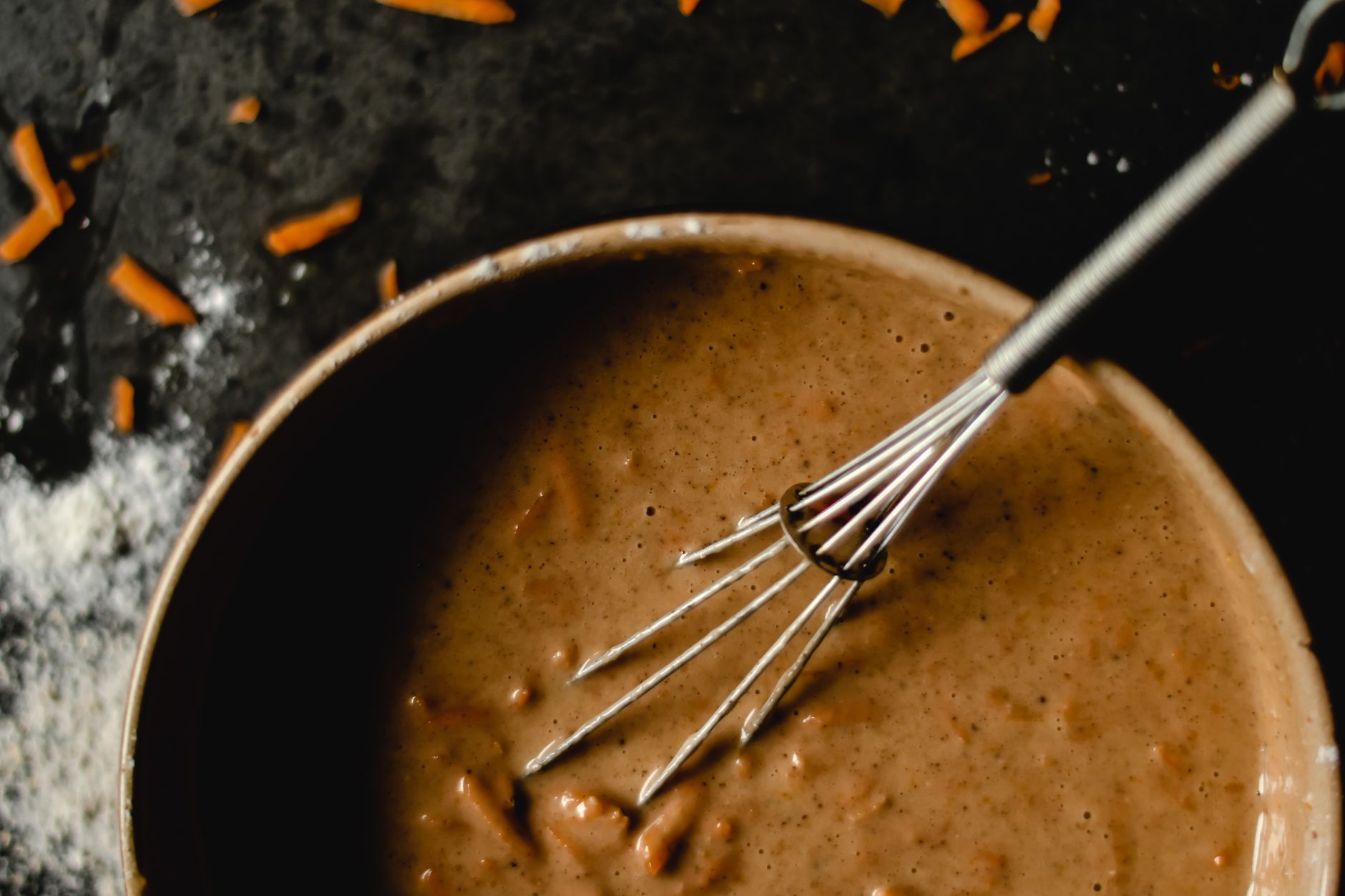
A whisk is a versatile kitchen tool often overlooked, yet it plays an essential role in many cooking and baking processes. It’s not just about beating eggs; a whisk can elevate dishes by incorporating air, achieving the perfect consistency, and creating a delightful texture.
Understanding the various types of whisks and their specific uses can help you streamline your cooking process, enhance flavors, and improve the overall experience in the kitchen. This article explores what a whisk does, different varieties available, and how it can be utilized for various culinary tasks.
What Does a Whisk Do?
A whisk is primarily used for mixing, beating, and aerating ingredients. Its unique design allows it to efficiently combine liquids and solids, create emulsion, and introduce air into mixtures, which contributes to texture and volume in dishes. Whisks can also assist in incorporating dry ingredients, breaking up lumps, and making smooth sauces.
In essence, a whisk acts as a multifunctional tool that transforms ingredients into cohesive mixtures, making it indispensable in both everyday cooking and professional kitchens.
Types of Whisks
There are several types of whisks, each designed for specific tasks:
- Balloon Whisk: This is the classic whisk shape, featuring a wide, rounded head with thick wires. It is perfect for beating air into mixtures like eggs or cream and can also be used for thick batters.
- Flat Whisk: This type has a flat head and is ideal for blending sauces, gravies, and other mixtures in shallow pans. It can effectively scrape the bottom of the pan, ensuring nothing is burnt.
- French Whisk: Similar to a balloon whisk but with a narrower head, this whisk is excellent for blending small batches of ingredients.
- Spiral Whisk: The unique spiral shape of this whisk is designed for blending small quantities of liquid or for incorporating thick mixtures like doughs.
- Electric Whisk: Also known as a hand mixer or egg beater, this electric version can save time and effort when whisking large volumes or tougher mixtures.
- Rubber Whisk: This whisk is made of rubber or silicone and is great for non-stick cookware since it won’t scratch the surface. It is best used for gentle mixing.
How to Use a Whisk Effectively
Knowing how to use a whisk properly is key to achieving the desired results when mixing ingredients. Here are some tips for effective whisking:
- Use the Right Technique: For aerating mixtures, use a light and quick back-and-forth motion, turning the whisk in circles. When mixing thicker pastes, a more vigorous motion works best.
- Angle the Whisk: Hold the whisk at a slight angle to allow maximum air to be incorporated into the mixture.
- Choose the Right Size: Pick a whisk size that suits the volume of what you’re mixing. A smaller whisk is better for small quantities, while a larger one is better for bigger batches.
- Use the Right Pressure: Apply gentle pressure when creating meringues or whipped cream to incorporate air without collapsing the mixture. For thicker batters, apply more pressure to blend effectively.
Culinary Uses of a Whisk
Whisks can be applied in numerous culinary contexts, including:
1. Beating Eggs
Whisks are commonly used for beating eggs, whether it’s for omelets, quiches, or baking. The balloon whisk is ideal for fluffing up eggs by incorporating air and achieving a light texture.
2. Whipping Cream
For whipping cream into soft or stiff peaks, a whisk helps to aerate the cream while incorporating air, which adds volume and texture. A chilled bowl and whisk can improve the process by keeping the cream cold.
3. Making Sauces and Dressings
Whether you’re preparing a vinaigrette or a bechamel sauce, a whisk is essential for emulsifying oil and vinegar or ensuring a smooth consistency in sauces. Its ability to break down clumps is invaluable here.
4. Mixing Batters
When combining dry and wet ingredients for pancakes, cakes, or muffins, a whisk ensures that the batter is well blended without over-mixing, which can lead to dense products.
5. Creating Egg Foams
For recipes like soufflés or meringues, a whisk is necessary to aerate the egg whites, creating a stable foam that will hold its structure when baked.
6. Incorporating Dry Ingredients
When adding dry ingredients like flour into wet mixtures, a whisk prevents clumping and facilitates a smoother batter or dough.
Practical Tips for Using a Whisk
Improving your whisking technique can enhance your cooking. Here are several practical tips:
- Choose the Right Bowl: Use a deep bowl to avoid splattering ingredients when whisking vigorously. A flat bowl works well for emulsifying.
- Bowl Size: Ensure your bowl is appropriately sized for the quantity of ingredients. Overfilling can lead to mess and ineffective mixing.
- Know When to Stop: Avoid over-whisking mixtures such as cream or egg whites, which can lead to separation or curdling.
- Keep it Clean: Regularly check for food particles or residue stuck in the wires of your whisk to maintain hygiene.
Common Mistakes When Using a Whisk
While whisking is a straightforward process, some common mistakes can lead to subpar results:
- Using the Wrong Whisk: Picking an unsuitable whisk type for your task can hinder effectiveness. For instance, using a flat whisk in deep bowls can make it hard to incorporate ingredients thoroughly.
- Not Incorporating Air: When whipping, failing to incorporate air can result in dense mixtures. Ensure you’re using the proper technique.
- Ignoring Temperature: Dealing with ingredients at the wrong temperature can affect outcomes, particularly when whipping egg whites or cream. Cold ingredients whip better.
- Over-Whisking: Going overboard with whisking can lead to unwanted textures, such as over-whipped cream turning into butter.
Whisking Substitutions
In some situations, you might find yourself in need of a whisk but have none available. Here are a few alternatives you could consider:
- Fork: A fork can handle light whisking tasks, such as mixing eggs or small batters, although it may not incorporate air as effectively as a whisk.
- Electric Mixer: For whipping cream or egg whites, an electric mixer can be used when a whisk isn’t available. However, be cautious not to over-beat.
- Chopsticks: In a pinch, chopsticks can be used for vigorously mixing smaller ingredients but lack the efficiency of a whisk.
- Blender or Food Processor: For emulsifying dressings or blending thicker mixtures, a blender can work, but keep in mind it may remove the airiness achieved by whisking.
Cleaning and Maintaining Your Whisk
Taking good care of your whisk ensures longevity and optimal performance. Here are some cleaning tips:
- Hand Wash: Most whisks are best cleaned by hand with warm soapy water to preserve their shape and material. Avoid using abrasive sponges that could damage the whisk.
- Material-Specific Care: Stainless steel whisks can handle the dishwasher, but silicone or rubber whisks should be hand washed to prevent melting or damage.
- Drying: Allow whisks to air dry or pat with a clean towel; avoid leaving them submerged for prolonged periods.
Conclusion
A whisk is an essential kitchen tool that offers more than meets the eye. Its ability to mix, aerate, and emulsify makes it indispensable for a variety of culinary tasks. By understanding its uses, employing the correct techniques, and avoiding common pitfalls, you can elevate your cooking and baking experiences.
Next time you find yourself reaching for a whisk, remember the multitude of ways it can enhance your dishes. Explore our related recipes and culinary guides to expand your kitchen skills. Try whipping up some whipped ricotta or icing with our easy recipes at whipped ricotta and easy icing.