
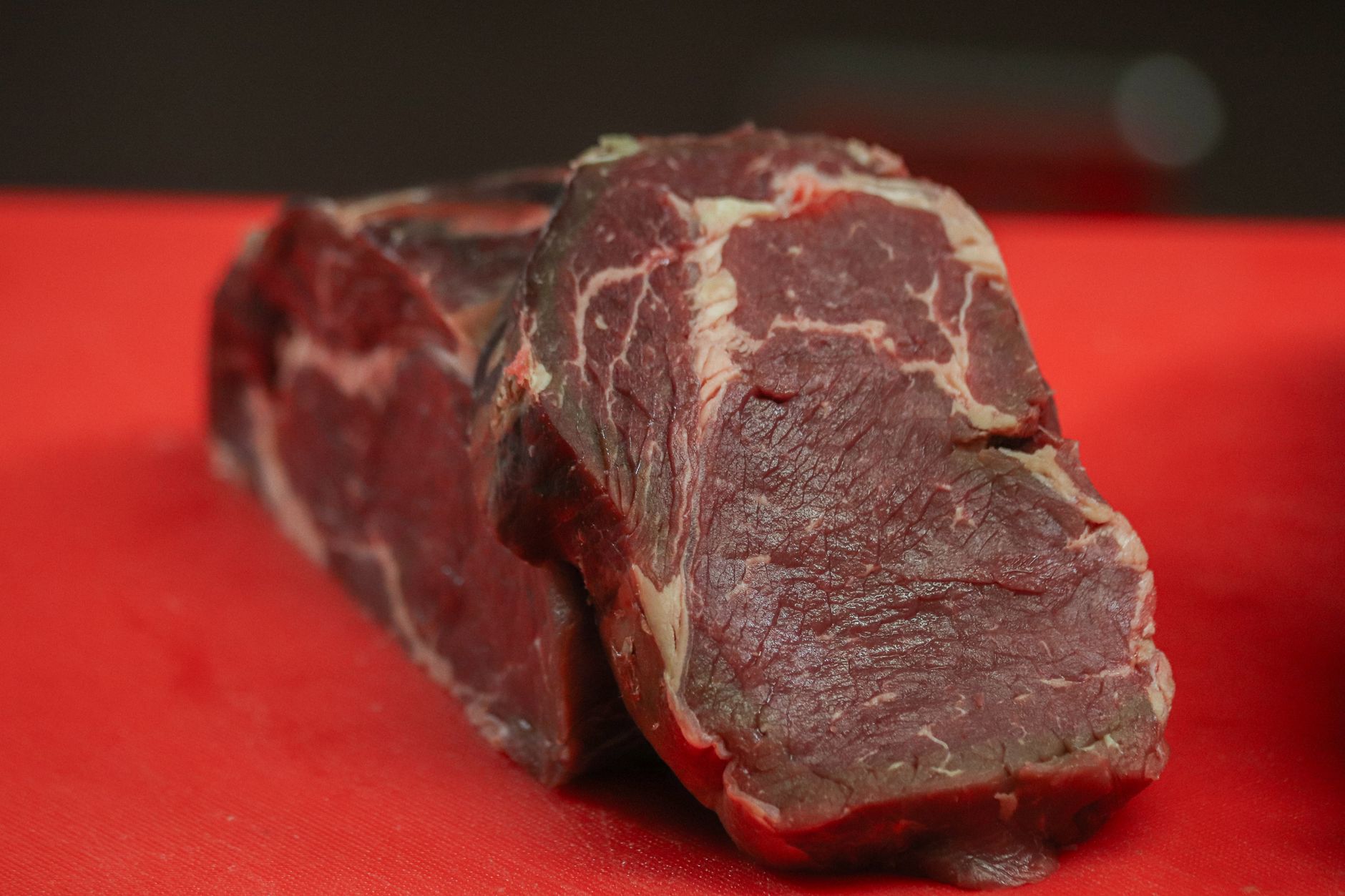
The ribeye steak is a highly regarded cut of beef known for its rich marbling, tenderness, and bold flavor. This prime cut comes from the rib section of the cow and is a favorite among steak enthusiasts. Understanding what a ribeye steak looks like can help you select the best cut for grilling, roasting, or pan-searing.
This article delves deeply into the characteristics of ribeye steak, its culinary uses, variations, and helpful tips for choosing, preparing, and cooking it to perfection. Whether you’re considering cooking a ribeye for a special occasion or want to know what to look for when buying, you will find the information here invaluable.
What Does a Ribeye Steak Look Like?
A ribeye steak typically features a well-marbled surface, meaning it has streaks of fat interspersed throughout the meat. This marbling contributes significantly to its juiciness and flavor. Ribeye steaks can be found either bone-in or boneless. The bone-in version often includes the rib bone, which adds flavor when cooking, while the boneless ribeye is easy to slice and serve.
The color of a fresh ribeye steak should be a deep red, indicating freshness, with the fat appearing white to yellowish. The thickness can vary, but a typical ribeye is around 1 to 2 inches thick. Its shape is generally round or slightly oval, with a smooth surface.
Key Characteristics of Ribeye Steak
- Texture: Ribeye steaks have a tender, juicy texture owing to the intramuscular fat.
- Flavor: The marbling and fat contribute to a rich, beefy flavor, often considered one of the best tasting among steak cuts.
- Appearance: Expect a vibrant red color with a marbled white fat throughout.
- Size: Ribeye steaks are typically larger and can weigh between 0.5 to 2 pounds depending on the cut.
Culinary Uses for Ribeye Steak
Ribeye steak is versatile and can be prepared in various cooking methods. Here are some popular ways to use ribeye:
Grilling
Grilling a ribeye steak is a popular choice due to the intense heat that helps to sear the meat and enhance its flavor. The fat content will also help keep the steak moist during the grilling process.
Pan-Seared
Pan-searing ribeye in a cast iron skillet can create a beautiful crust while keeping the inside tender and juicy. This method is excellent for thicker cuts of steak.
Roasting
Roasting a ribeye in the oven is another option, particularly for larger cuts. This method is particularly useful when preparing a ribeye roast.
Sous Vide
The sous vide method allows for precise temperature control, yielding evenly cooked ribeye steak that is tender and juicy. After sous vide cooking, a quick sear on the grill or skillet will impart flavor.
Choosing the Perfect Ribeye Steak
When selecting a ribeye steak, certain factors can help you choose the best possible cut:
Marbling
Look for ribeye steaks with good marbling. The fat should be dispersed throughout the meat rather than just on the edge. This intramuscular fat enhances flavor and tenderness.
Color
A fresh ribeye steak should have a vibrant red color. Avoid steaks that appear brown or have grayish tones, as this may indicate aging or spoilage.
Thickness
Choose steaks that are at least 1 inch thick for optimal cooking results. Thicker steaks are less likely to overcook and will yield a better sear.
Freshness and Packaging
Always check the packaging date when buying pre-packaged ribeye. If possible, buy from butcher shops or reputable sources for the freshest cuts.
Cooking Ribeye Steak: Techniques and Tips
Now that you know what to look for in a ribeye steak, understanding how to cook it properly is vital to enjoying its rich flavors and textures.
Preparation Steps
- Remove from the fridge: Take the steak out of the refrigerator about 30-60 minutes before cooking to allow it to reach room temperature.
- Season: Generously season both sides with salt and pepper. Alternatively, consider using a steak seasoning mix.
- Preheat your cooking surface: For grilling or pan-searing, make sure to preheat your grill or skillet to high heat.
Grilling Ribeye Steak
- Preheat the grill to high temperature.
- Place the steak directly over the heat source, cooking for about 4-6 minutes on one side without moving it.
- Flip the steak and cook an additional 4-6 minutes for medium-rare (130-135°F).
- Once done, remove from the grill and let it rest for 5-10 minutes before slicing.
Pan-Searing Ribeye Steak
- Heat a cast iron skillet over high heat and add a tablespoon of oil.
- Once shimmering, lay the ribeye in the skillet without touching it.
- Cook for 4-5 minutes on one side until a golden-brown crust forms.
- Flip the steak and cook for another 4-5 minutes or until it reaches the desired doneness.
- Allow it to rest for 5-10 minutes before serving.
Roasting Ribeye Steak
- Preheat the oven to 350°F (175°C).
- Season the steak and sear it in a hot skillet for 2-3 minutes on each side.
- Transfer the skillet to the oven and roast for 10-15 minutes, checking internal temperature.
- Once done, remove and let it rest before slicing for an even temperate throughout.
Common Mistakes to Avoid
- Not letting it rest: Allowing the steak to rest after cooking is essential to retain juices.
- Overcooking: Ribeye is best enjoyed at medium-rare to medium doneness. Using a meat thermometer can help avoid overcooking.
- Skipping seasoning: Don’t underestimate the power of salt and pepper; they complement the steak’s natural flavor.
- No room temperature: Cooking steak straight from the refrigerator can lead to uneven cooking.
How to Serve Ribeye Steak
Ribeye steak can shine as the centerpiece of a meal. Here are a few suggestions for sides and accompaniments:
- Roasted Vegetables: Root vegetables, asparagus, or brussels sprouts make great sides.
- Potato Dishes: Mashed potatoes, baked potatoes, or even fries pair wonderfully.
- Salads: A fresh garden salad or Caesar salad complements the richness of the steak.
- Sauces: Consider serving with a horseradish sauce, chimichurri, or a red wine reduction.
Storage and Reheating
To ensure your ribeye steak remains safe to eat after cooking, follow these storage guidelines:
- Allow any leftover steak to cool to room temperature before storing.
- Wrap it in plastic wrap or aluminum foil, or store it in an airtight container.
- Refrigerate leftovers within two hours, and consume within 3-4 days.
- When reheating, do so gently in an oven or skillet to avoid drying out the meat.
Variations and Substitutions
While ribeye is a beloved choice, you might occasionally consider alternative cuts or variations:
- New York Strip: Similar flavor, less marbled fat, and slightly firmer texture.
- Filet Mignon: Extremely tender but has a milder flavor compared to ribeye.
- Chuck Eye Steak: A more economical option with a similar flavor profile to ribeye.
Conclusion
Ribeye steak is an undeniably delicious cut of beef, recognized for its rich flavor, tenderness, and impressive marbling. By knowing what to look for and understanding cooking techniques, you can easily prepare a ribeye steak that will impress and satisfy those you serve. Whether grilled, pan-seared, or roasted, ribeye stands out as a choice cut that can elevate any dining experience.
For fantastic seasoning ideas, check out our steak seasoning recipe. If you’re interested in other cuts, consider trying out our T-bone steak recipe for another mouthwatering option!