
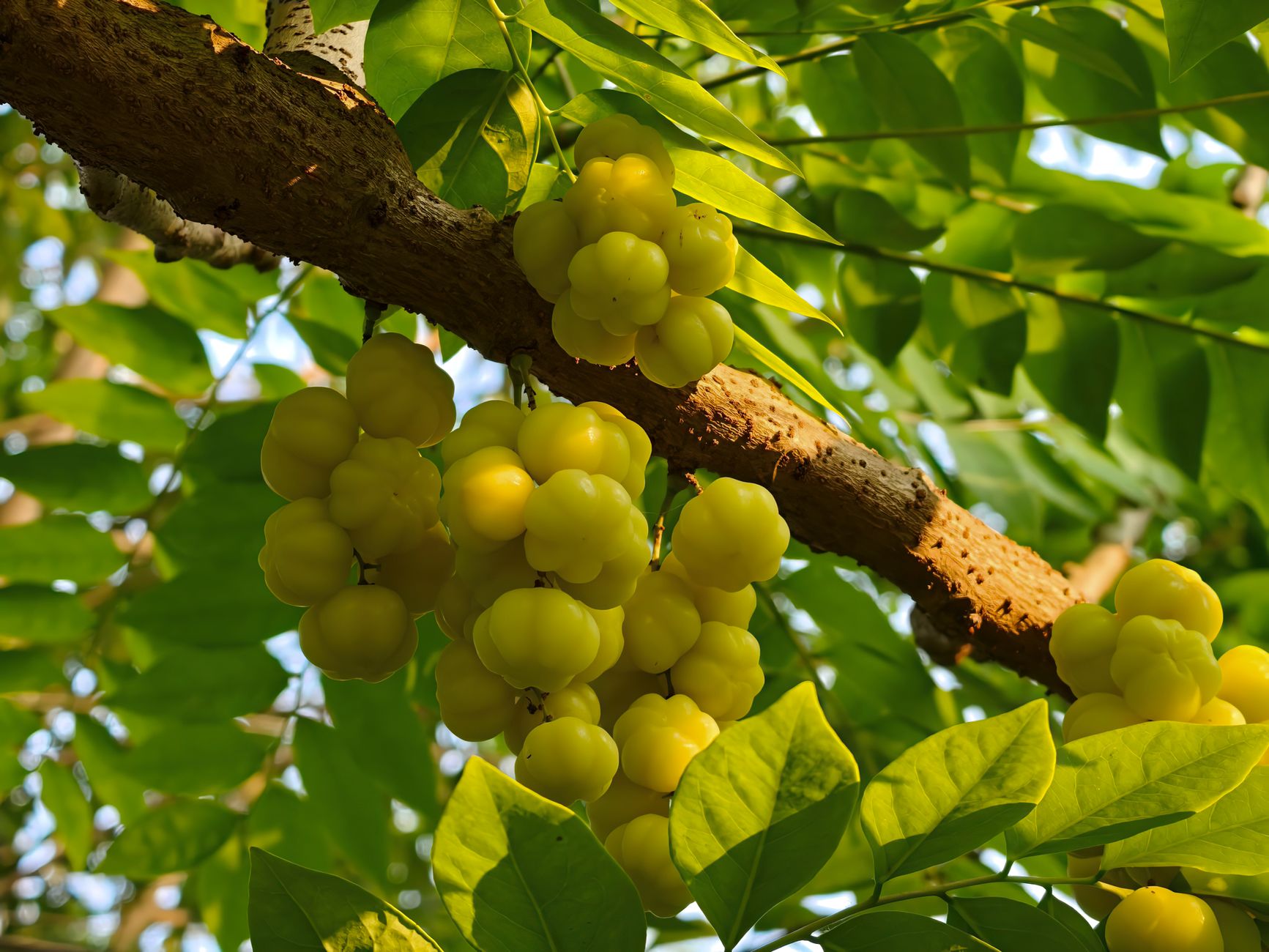
Gooseberries are a unique fruit that often pique the curiosity of many due to their distinctive flavor and culinary versatility. Understanding what a gooseberry tastes like can help you decide how to incorporate this ingredient into your cooking and baking. Beyond just taste, gooseberries have a unique texture and aroma that can elevate various dishes, from sweet desserts to savory sauces.
This article will delve into the complex taste profile of gooseberries, their various uses in the kitchen, and how to select and prepare them effectively. You will also find practical tips for cooking with gooseberries and suggestions for substitutes when they are not in season.
What Does a Gooseberry Taste Like?
Gooseberries have a taste that varies depending on their ripeness and variety. Generally, they are tart and tangy, often described as a combination of grape and green apple, with a hint of earthiness. When fully ripe, they can take on a sweeter profile, reminiscent of ripe peaches or berries, providing a delightful balance of flavors that works well in many dishes.
Culinary Uses of Gooseberries
Gooseberries are extremely versatile and can be used in a variety of culinary applications. Here are some common uses for this unique fruit:
- Preserves and Jams: Their tartness makes gooseberries an ideal candidate for preserves and jams, where sugar can be added to balance the flavor.
- Pies and Crumbles: Gooseberries can be baked into pies and crumbles, lending a tangy contrast to the sweetness of other fruits typically used in desserts.
- Savory Dishes: They can also be used in savory sauces or chutneys that pair beautifully with meats, particularly lamb and pork.
- Salads: Fresh gooseberries can add a tart crunch to salads, either raw or blanched.
- Beverages: Gooseberries can be blended into cocktails or used to flavor drinks, providing a refreshing sour note.
Flavor Profile by Variety
Gooseberries come in various varieties, each with its own distinct flavor profile. The most common types include:
- Green Gooseberries: These are usually very tart and are highly sought after for cooking and baking.
- Red Gooseberries: Riper and often sweeter than their green counterparts, red gooseberries can be enjoyed fresh or in desserts.
- Yellow Gooseberries: Their flavor falls between green and red varieties, providing a mild tartness that can be appealing in both sweet and savory applications.
Texture of Gooseberries
The texture of gooseberries is another notable feature. When raw, they are firm and have a smooth skin that might feel waxy. As you bite into them, they reveal a juicy interior that can have a slightly grainy texture, especially in less ripe varieties. Cooking gooseberries softens them considerably, making them easier to incorporate into sauces and jams.
Selecting and Storing Gooseberries
When purchasing gooseberries, look for firm berries that are vibrant in color without any signs of bruising or mold. Ideally, choose those that feel heavy for their size, indicating juiciness. For storage:
- Refrigeration: Gooseberries can be stored in the fridge for a week. Keep them in a breathable container, like a paper bag or a colander, to avoid moisture buildup.
- Freezing: If you have an abundance, gooseberries can be frozen for later use. Wash and dry them thoroughly, spread them out on a baking sheet to freeze individually, and then transfer to airtight bags.
Cooking with Gooseberries
When cooking with gooseberries, it’s essential to balance their tartness. Here are some practical tips:
- Sweetening: When making desserts, consider adding sugar or honey to enhance their natural sweetness.
- Cooking Time: Gooseberries break down quickly when heated, so add them towards the end of cooking to preserve some texture, especially in sauces and toppings.
- Pairing: Gooseberries pair well with certain herbs and spices, such as mint, rosemary, and ginger, which can complement their flavor.
Gooseberry Substitutions
If gooseberries aren’t available, there are several alternatives you can consider that mimic their flavor and acidity:
- Green Grapes: These can provide a similar tartness when used fresh, though they lack the complexity of flavor.
- Cranberries: Tart cranberries can serve well in recipes where you need a sharp flavor, particularly in sauces.
- Rhubarb: Often used in similar applications, rhubarb offers a comparable tartness and can be sweetened to mimic gooseberries.
- Black Currants: These berries add a similar tang and deep flavor, though they can be more potent.
Cooking Techniques with Gooseberries
Different cooking techniques can further enhance the flavor of gooseberries:
Cooking
Gooseberries can be cooked in various ways, including:
- Boiling: This method is great for making jams and sauces.
- Sautéing: Quickly sautéing with butter or oil can bring out their sweetness for use in savory dishes.
- Baking: Incorporating them into baked goods like pies or tarts allows their flavor to meld with other ingredients.
Blanching
A quick blanching can help remove some of the bitterness and soften the texture, making them more palatable raw.
Common Mistakes When Cooking with Gooseberries
While cooking with gooseberries, it’s easy to make mistakes that can affect the final outcome. Here are some common pitfalls and how to avoid them:
- Overcooking: Gooseberries can turn mushy if cooked too long. Monitor closely and add them towards the end of cooking to maintain texture.
- Ignoring Balance: Their tartness requires careful balancing with sweeteners. Taste as you go and adjust according to preference.
- Using Raw in Baked Goods: While fresh gooseberries can work in some recipes, they may be too tart on their own for others. Make sure to add sugar or honey for desserts.
Serving Suggestions
The right serving suggestions can enhance the overall experience of dishes containing gooseberries. Consider these:
- With Cream: Serve gooseberry desserts with whipped cream or ice cream to contrast their tartness.
- As a Sauce: A sauce made from cooked gooseberries pairs beautifully with roasted meats.
Gooseberry Recipes to Try
Incorporating gooseberries into your culinary repertoire can be fun and delicious. Here are a couple of ideas:
Gooseberry Crumble
This dessert highlights the tartness of gooseberries while adding a sweet and crispy topping.
- Ingredients:
- 4 cups fresh gooseberries, rinsed
- 1 cup granulated sugar
- 1 tablespoon cornstarch
- 1 tablespoon lemon juice
- 1 cup rolled oats
- 1 cup all-purpose flour
- 1/2 cup brown sugar
- 1/2 cup unsalted butter, melted
Total Time: 1 hour | Servings: 8
- Preheat your oven to 350°F (175°C).
- In a bowl, mix gooseberries, granulated sugar, cornstarch, and lemon juice. Pour into a greased baking dish.
- In another bowl, combine oats, flour, brown sugar, and melted butter. Mix until crumbly.
- Spread the crumble mixture over the gooseberries.
- Bake for 30-35 minutes until the topping is golden brown and the gooseberries are bubbling.
Gooseberry Chutney
This tangy chutney pairs wonderfully with meats, particularly grilled chicken or pork.
- Ingredients:
- 2 cups gooseberries, chopped
- 1 onion, finely chopped
- 1 cup apple cider vinegar
- 1 cup brown sugar
- 1 teaspoon mustard seeds
- 1 teaspoon grated ginger
- 1 teaspoon salt
Total Time: 1 hour | Yield: About 2 cups
- Combine all ingredients in a saucepan.
- Bring to a boil, then simmer uncovered for about 40 minutes, stirring occasionally until thickened.
- Cool and store in sterilized jars.
Summary
Gooseberries are an intriguing fruit that adds a wonderful burst of tartness to a multitude of dishes. Whether you enjoy them raw or cooked, by understanding their flavor, texture, and best uses in the kitchen, you can make the most of this versatile berry. Explore your creativity and experiment with gooseberries in both sweet and savory recipes to truly appreciate their unique qualities.
If you’re interested in expanding your knowledge of ingredients, you may find our articles on what saffron tastes like and what thyme tastes like to be helpful. Happy cooking!