
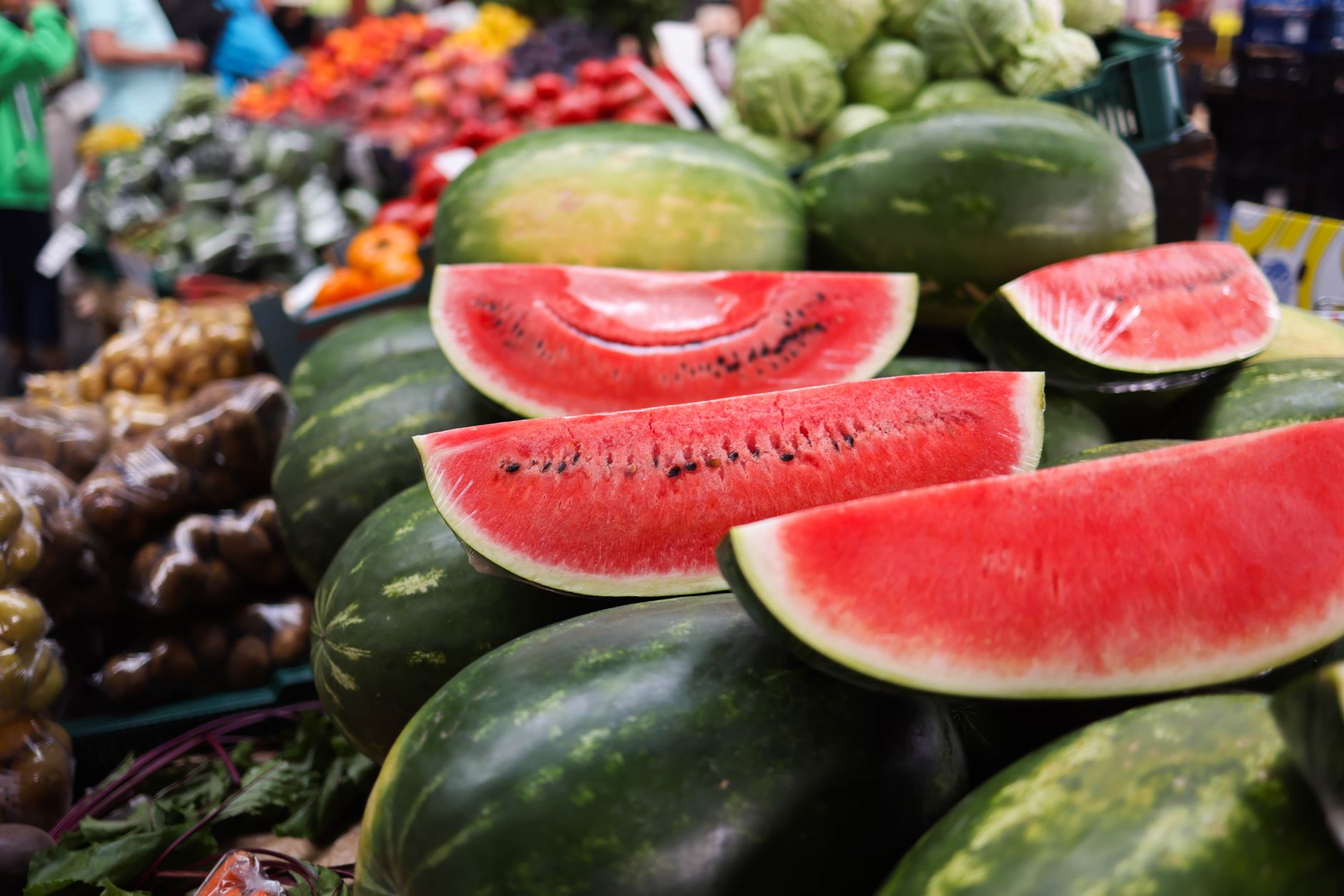
Watermelon, a quintessential summer fruit, is loved for its sweetness and high water content. However, selecting the perfect watermelon can be tricky. Understanding what a good watermelon looks like can enhance your enjoyment of this fruit, whether eating it fresh, in a salad, or blended into a refreshing drink.
In this guide, we’ll explore the characteristics of a good watermelon, ways to use it, and tips for selecting and storing this seasonal delight.
What Does a Good Watermelon Look Like?
A good watermelon is characterized by its color, shape, firmness, and sound. The exterior skin should be a vibrant green, and it should feel heavy for its size, indicating ripeness and juiciness. It should also have a uniform shape and a creamy yellow spot, which indicates where it rested on the ground during ripening.
Key Characteristics of a Quality Watermelon
When searching for a good watermelon, consider the following aspects:
- Color: Look for a deep green color. A shiny skin may indicate that the watermelon is underripe. Instead, a matte finish is a good sign that it is ripe.
- Shape: Choose a symmetrical watermelon without dents or irregular bumps. Irregular shapes can signify uneven ripening.
- Weight: The watermelon should feel heavy for its size. This weight indicates high water content, which translates to juiciness.
- Field Spot: The yellow spot (or field spot) is a soft, creamy-yellow area on the rind. This is where the watermelon rested on the ground. A darker yellow spot often indicates that the watermelon is ripe.
- Sound: Give the watermelon a tap or a thump. A ripe watermelon will produce a deep, hollow sound, while an underripe one may produce a dull thud.
- Texture: The skin should be firm and smooth without any soft spots. Squeeze the watermelon gently; it should feel solid, not yielding.
Choosing Depending on Variety
Different watermelon varieties exhibit unique characteristics. Here’s a brief look at popular types and their qualities:
- Seedless Watermelon: These are often smaller and sweeter, lacking the crunch of seeds but offering convenience.
- Picnic Watermelon: Larger in size, this variety is ideal for gatherings. Look for round and symmetrical shapes in these melons.
- Icebox Watermelon: A smaller variety designed for easy storage. Choose heavier, compact ones with smooth skin.
- Seeded Watermelon: The traditional variety, they come in large sizes and have a mix of sweetness and crunch from the seeds. Opt for bright green skin.
How to Use Watermelon
Watermelon is incredibly versatile and can be used in numerous culinary applications. Here are some popular uses:
Fresh Consumption
Many enjoy watermelon simply as it is, chilled and sliced. The refreshing sweetness makes it an ideal summer snack.
Salads
Combine watermelon with various ingredients for salads. Try mixing it with feta cheese, mint leaves, and a drizzle of balsamic glaze for a delightful appetizer or side dish.
Smoothies and Juices
Blend watermelon with yogurt or other fruits for a delicious smoothie. Alternatively, use it to create fresh juice by blending and straining.
Sorbet and Ice Cream
Puree the watermelon and freeze it to make a refreshing sorbet. You can also incorporate it into cream-based ice creams for a unique twist.
Grilled Watermelon
Grilling watermelon caramelizes its sugars, providing a different flavor profile. Cut thick slices, grill for a few minutes, and season with salt or drizzle with honey.
Storing Watermelon
Correct storage extends the freshness of your watermelon. Here’s how to store it properly:
Whole Watermelon
Store an uncut watermelon in a cool, dry place, preferably at room temperature. The skin protects it from spoiling and can last about 1-2 weeks.
Cut Watermelon
Once you cut your watermelon, it should be wrapped tightly in plastic wrap or placed in an airtight container. Store it in the refrigerator where it can last up to 3-5 days. Consume within this timeframe for the best texture and flavor.
Common Mistakes When Choosing Watermelon
When selecting a watermelon, some pitfalls can lead to disappointment:
- Choosing shiny skin; a matte finish is ideal.
- Ignoring the weight of the watermelon. Light melons often indicate a lack of juiciness.
- Buying a watermelon based solely on color without examining other attributes.
- Picking watermelons that are overly symmetrical; a slight irregularity can indicate a more natural, flavorful fruit.
Watermelon Nutritional Benefits
Despite its sweetness, watermelon is low in calories and packed with hydration, making it an excellent choice for snacking or as a refreshing side dish. Here are some benefits:
- High Water Content: Comprising over 90% water, it provides excellent hydration.
- Vitamins and Minerals: Rich in vitamins A and C, potassium, and magnesium, watermelon supports overall health.
- Antioxidants: Contains lycopene, which may provide health benefits, including heart health support and potential cancer prevention.
Fun Facts About Watermelon
To wrap up this guide, here are some fun facts about watermelon:
- Watermelon is actually a fruit, related to cucumbers and squash.
- There are more than 1,200 varieties of watermelon worldwide.
- The world’s largest watermelon on record weighed over 350 pounds!
Employing these tips and tricks will help you select the perfect watermelon for your next gathering, picnic, or refreshing treat at home. The journey to finding the ideal watermelon extends beyond just looks—consider all the tactile and auditory indicators to ensure a juicy bite.
Ready to dive deeper into the world of fruits? Learn what you can do with frozen watermelon or discover what makes a ripe mango.