
Butter is a staple ingredient in many kitchens and is used for cooking, baking, and as a spread. Understanding what goes into making butter, along with its uses and variations, can enhance your culinary skills and help you create delightful dishes. This article will explore how traditional butter is made, substitute ingredients, and much more.
From the simplest form of butter to flavored varieties, we will cover everything you need to know about this versatile ingredient. Let’s delve into the world of butter and discover what you use to make it!
What Do You Use to Make Butter?
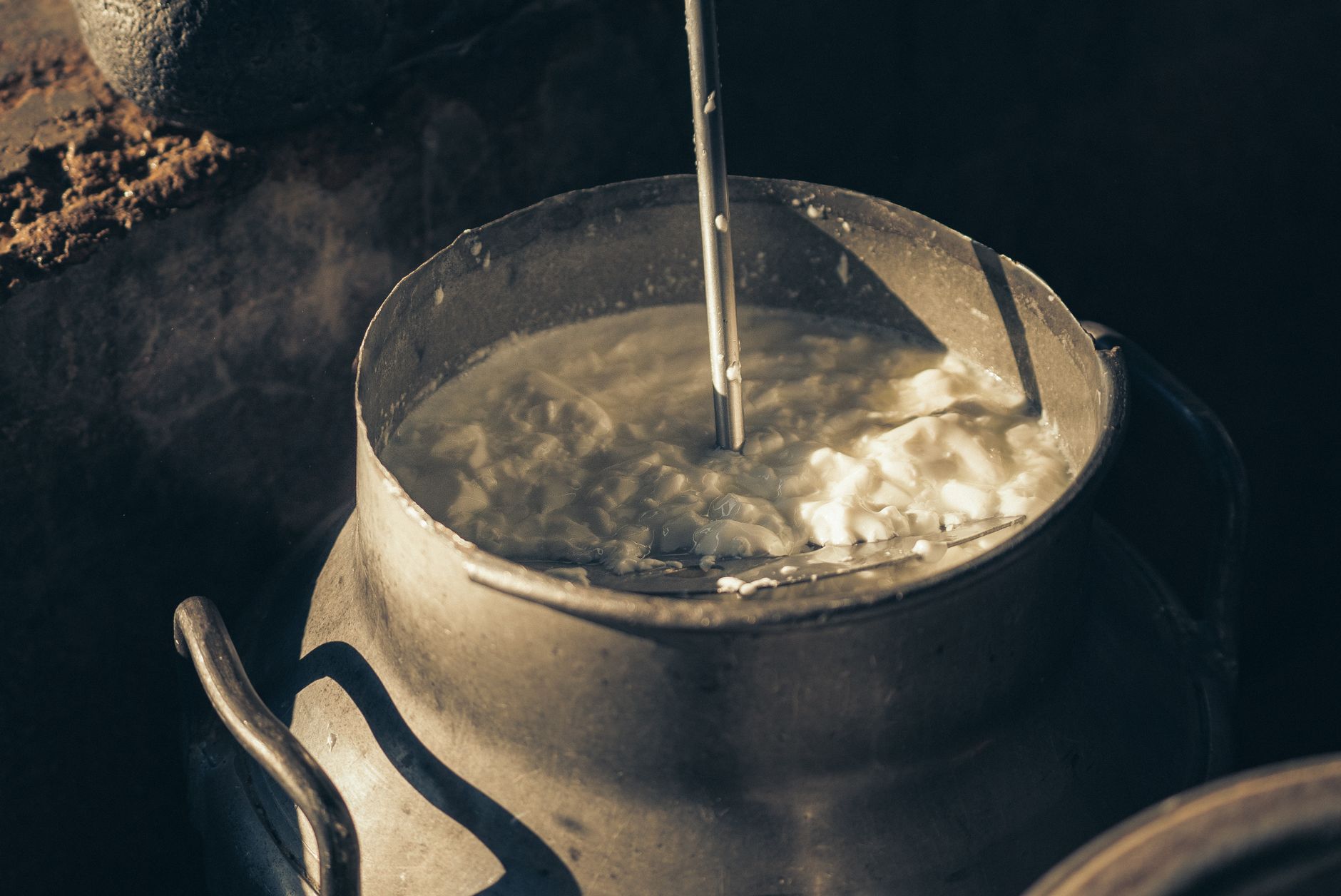
To make butter, you primarily need heavy cream and a bit of salt, if desired. The process involves churning the cream until the fat separates from the liquid, resulting in butter. Understanding these components and steps involved will help you easily make butter at home.
Ingredients for Making Butter
The ingredient list for making butter is straightforward. Here are the essentials:
- Heavy cream: 1 pint (or more, depending on the amount of butter desired)
- Salt (optional): 1/4 teaspoon per cup of cream, adjust to taste
Essential Equipment for Making Butter
You’ll need some practical equipment to make butter efficiently:
- Stand mixer or handheld mixer: To efficiently whip the cream
- Strainer or cheesecloth: For separating the buttermilk from the butter
- Bowl: To collect the butter and buttermilk
- Spatula: For scraping and folding the butter
- Storage container: To keep the finished butter
The Process of Making Butter
Making butter is a fun and easy process that anyone can do at home. Here’s a step-by-step guide to making your own butter from scratch:
- Gather ingredients and equipment: Ensure you have heavy cream and any optional ingredients ready, along with your mixing tools.
- Pour heavy cream into the mixing bowl: Use at least 1 pint of heavy cream for a decent yield.
- Start mixing: Begin mixing at a medium speed. Initially, the cream will turn to whipped cream, which is the first stage.
- Continue mixing: Keep blending until the whipped cream starts to separate and you notice liquid forming. This is buttermilk separating from the fat.
- Drain the buttermilk: After about 10 minutes, once a solid mass forms, strain to separate the buttermilk from the butter.
- Wash the butter: To make the butter last longer, rinse it under cold water while kneading it to ensure all buttermilk is removed.
- Season the butter: If desired, add salt and mix until evenly combined.
- Pack and store: Transfer the butter to your storage container and refrigerate. Enjoy your fresh butter!
Common Mistakes When Making Butter
Here are a few pitfalls to watch out for:
- Not using heavy cream: The fat content in heavy cream is essential for butter; using lower-fat creams will yield poor results.
- Overmixing: While thorough mixing is key to separating buttermilk, overmixing can result in grainy butter.
- Skipping rinsing: Failing to remove all the buttermilk may cause your butter to spoil faster.
Storage and Shelf Life of Butter
Homemade butter can be stored in the refrigerator for about one month. If you wish to extend its shelf life, consider freezing it. Wrap the butter tightly in plastic wrap or foil, then place it in an airtight container or freezer bag. Frozen butter can last up to six months.
Flavored Butter Variations
There are many ways to enhance the flavor of your butter. Here are some popular variations to consider:
- Herb Butter: Add fresh herbs such as chives, thyme, or rosemary.
- Garlic Butter: Incorporate roasted garlic and parsley for a delicious spread.
- Citrus Butter: Mix in lemon or orange zest for a bright flavor.
- Sweet Butter: Combine with honey or maple syrup for a sweet treat.
Butter Alternatives and Substitutions
While butter is a classic ingredient, there are numerous options for those seeking alternatives:
- Margarine: A common substitute with a similar texture, though often lower in fat.
- Coconut Oil: Works great in baking and can be solid or liquid depending on temperature.
- Applesauce: Often used as a butter substitute in baking for lower fat; it can alter taste and texture.
- Shortening: Another butter replacement used mainly in baking but lacks flavor.
Cooking and Baking with Butter
Understanding how to cook and bake with butter is essential for getting the best results out of your dishes. Here are some uses:
- Sauteing: Use butter to add flavor to vegetables, meats, and other dishes.
- Grinding ingredients: The presence of fat in butter can make it easier to grind spices or other ingredients.
- Baking: Many baked goods rely on butter for moisture, flavor, and structure.
- As a spread: Fresh butter can be simply enjoyed on bread, muffins, or pancakes.
Health Aspects of Butter
Butter contains vitamins A, D, E, and K and is a source of healthy fats. However, moderation is key due to its high saturated fat content. Be sure to consider your dietary preferences and needs when including it in your meals.
Butter in Regional Cuisines
Butter is a key ingredient in many cuisines around the world. Here’s how different regions use it:
- French Cuisine: Butter is vital in many French dishes, like sauces and pastries.
- Indian Cuisine: Ghee, a clarified butter, is popular in Indian cooking for its flavor and higher cooking temperature tolerance.
- American Cuisine: Commonly used in baked goods and as a topping for various dishes.
Common Uses for Butter
Butter can be utilized in a variety of dishes, from sweet to savory. Here are some examples:
- Cookies and Cakes: Butter adds moisture and richness to baked goods.
- Pasta Dishes: A drizzle of melted butter enhances flavor in pasta.
- Vegetable Sauté: A quick sauté with butter adds great flavor and moisture.
How to Incorporate Butter into Your Meals
Adding butter to meals can bring out flavors and improve textures. Here are some practical suggestions:
- Use butter as a base for sauces to create richness.
- Incorporate butter into mashed potatoes for creaminess.
- Spread butter on warm bread or muffins for a delightful taste experience.
Butter in Baking Techniques
baking, using butter can be crucial for achieving the desired texture and flavor in your desserts. Here’s how it plays a role:
- Creaming Method: Begin many recipes by creaming butter and sugar, which incorporates air into the batter for leavening.
- Melting Technique: Often used for brownies and certain cake recipes for density and richness.
- Chilled Butter: Required in pie crusts for flakiness; the cold fat creates layers as baked.
Final Thoughts and Next Steps
Making butter at home can be a rewarding experience that allows you to control ingredients and flavors. With just heavy cream and optional seasonings, you can create delicious butter tailored to your liking. Additionally, learning about butter alternatives and how to use it in cooking can further enhance your culinary endeavors.
If you’re eager to explore more about using butter, check out our guides on making clarified butter and creating cowboy butter for exciting new uses. Enjoy your culinary adventures!