
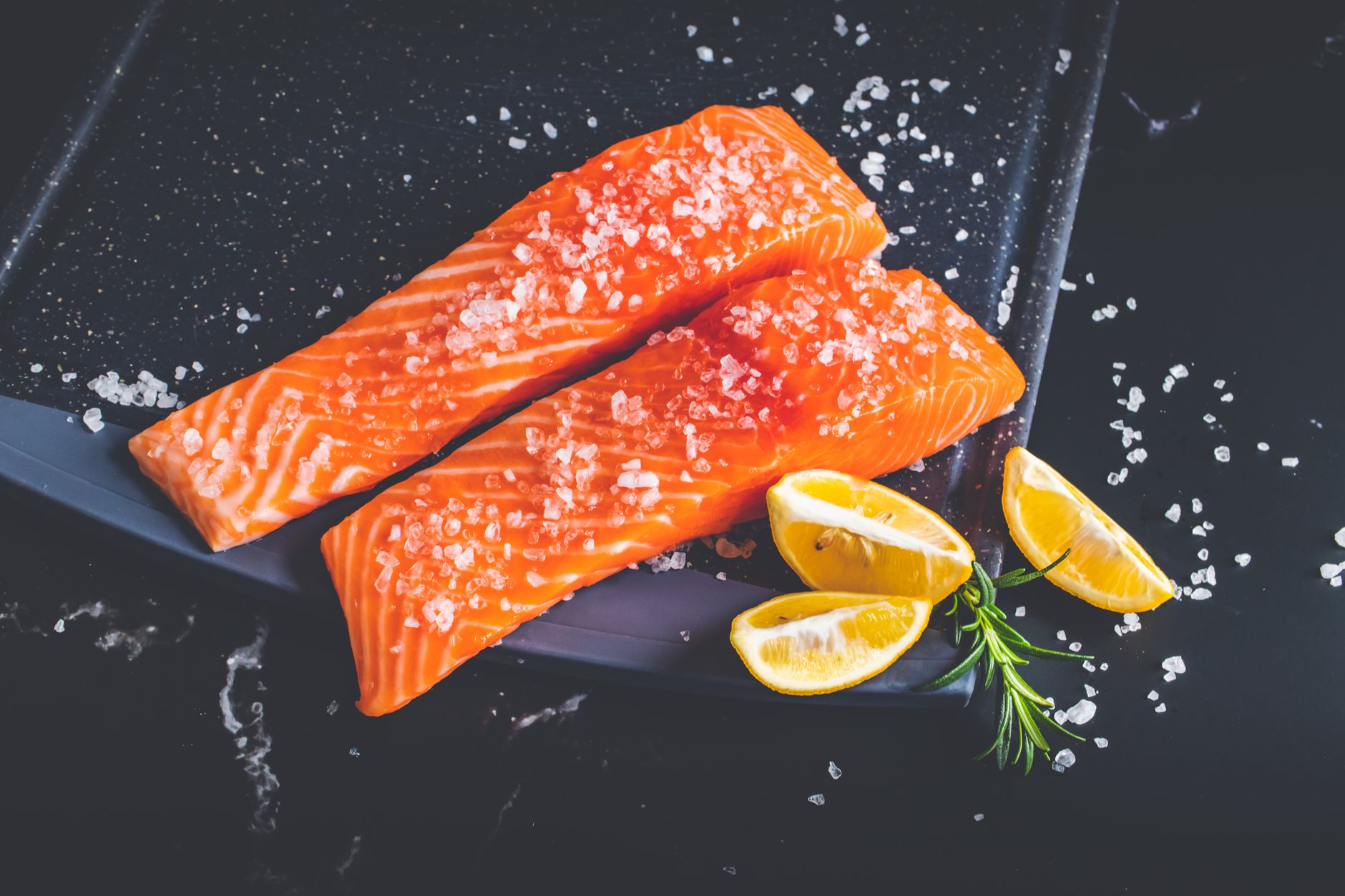
Salmon is a versatile and nutritious fish, enjoyed for its rich flavor and flaky texture. The way you season salmon can greatly enhance its natural taste, making it a favorite among home cooks and chefs alike. Mastering the art of seasoning salmon will not only elevate your dishes but also provide a satisfying culinary experience.
In this article, we will explore various seasoning options for salmon, various cooking methods, and preparation tips to ensure your salmon is delicious every time. Whether you prefer a classic approach or want to experiment with bold flavors, you’re sure to find the right seasoning techniques here.
What Do You Season Salmon With?
There are countless ways to season salmon, ranging from simple salt and pepper to complex marinades and spice blends. The best seasonings enhance the fish’s natural flavor while adding depth and variety. Common seasonings for salmon include herbs, citrus, spices, and sauces. Understanding which flavors complement salmon will help you create dishes that are both satisfying and memorable.
Key Seasonings for Salmon
When it comes to seasoning salmon, the possibilities are practically endless. Here are some of the most popular seasoning options to try:
- Salt and Pepper: The simplest yet most classic seasoning. A good sprinkle of flaky sea salt and freshly cracked black pepper can enhance the flavor of salmon without overpowering it.
- Lemon or Lime: Citrus juice and zest brighten up salmon and add a refreshing flavor. The acidity also cuts through the richness of the fish.
- Herbs: Fresh or dried herbs like dill, parsley, thyme, basil, and cilantro work wonderfully with salmon, providing aromatic notes that complement its flavor.
- Garlic: Fresh minced garlic or garlic powder can provide a savory depth to your salmon dishes. Be mindful of using it in moderation to prevent overshadowing the fish.
- Butter or Olive Oil: Fat is a flavor enhancer. Using melted butter or high-quality olive oil can add richness to your salmon. Herb-infused oils can elevate this flavor even more.
- Spices: From smoked paprika to cumin and chili powder, spices can add warmth and complexity. Choose spices that suit your palate and the overall dish you’re preparing.
- Marinades: Marinating salmon can infuse the fish with flavor. Typical marinades combine soy sauce, honey, ginger, and garlic for a sweet and savory profile.
- Mustard: Dijon or whole-grain mustard can be slathered onto salmon before baking or grilling for a tangy, flavorful crust.
- Soy Sauce and Teriyaki Sauce: These sauces work well for an Asian-inspired twist. The umami notes enhance the natural richness of the salmon.
Cooking Methods for Salmon
How you prepare your salmon can affect the seasoning and overall flavor profile. Here are some popular cooking methods:
Baking
Baking is a great method for ensuring your salmon remains moist and flavorful. To bake salmon:
- Preheat your oven to 350°F (175°C).
- Line a baking dish with parchment paper or lightly grease it.
- Season the salmon with your choice of salt, pepper, and other seasonings or marinade.
- Bake for 15-20 minutes or until the internal temperature reaches 145°F (63°C).
- Check for doneness by using a fork; the flesh should flake easily.
Grilling
Grilling adds a smoky flavor to salmon that is hard to beat. To grill salmon:
- Preheat your grill to medium-high heat.
- Oil the grill grates to prevent the salmon from sticking.
- Season the salmon fillets with salt, pepper, and any other desired spices.
- Place the salmon skin-side down on the grill and cook for 6-8 minutes. Flip carefully and cook for an additional 4-6 minutes.
- Remove from the grill when the flesh is opaque and flakes easily.
Pan-Seering
Pan-searing is a fantastic way to achieve a rich crust on the salmon. Here’s how to do it:
- Heat a cast-iron skillet or non-stick pan over medium-high heat and add a tablespoon of oil or butter.
- Season the salmon fillets and place them skin-side down in the hot pan.
- Cook for about 6-7 minutes without moving them, allowing a crust to form.
- Flip the salmon and cook for an additional 3-4 minutes, or until cooked through.
Poaching
This gentle cooking method is excellent for maintaining moisture. To poach salmon:
- Fill a wide pan with enough water or broth to cover the salmon.
- Add aromatics such as lemon, herbs, and spices to the liquid.
- Bring the liquid to a simmer over medium heat.
- Add the seasoned salmon fillets and cover the pan.
- Cook for 15-20 minutes or until the salmon is opaque and easily flakes apart.
Preparing and Seasoning Salmon: Tips and Tricks
To make the most of your salmon seasoning, consider the following tips:
- Freshness is Key: Always choose fresh salmon for the best flavor. Look for vibrant color and a clean ocean scent.
- Don’t Over-Season: Salmon has a delicate flavor, so use seasonings judiciously to enhance rather than mask its natural taste.
- Marinate for Maximum Flavor: For a deep flavor profile, marinate salmon for at least 30 minutes, but avoid marinating for too long due to its delicate texture.
- Experiment: Don’t be afraid to try different flavor combinations. Combine sweet, savory, and acidic elements to create balance.
- Pair with Complementary Sides: Consider serving your seasoned salmon with sides like a citrus salad, roasted vegetables, or wild rice.
Common Mistakes and How to Avoid Them
No matter how confident you are in the kitchen, small mistakes can happen. Here’s how to avoid common pitfalls when seasoning and cooking salmon:
- Not Checking Freshness: Always ensure the salmon is fresh. If you’re unsure, check out this guide on how to tell if salmon is bad.
- Overcooking: Salmon is best served at a medium doneness. Use a food thermometer to ensure it reaches 145°F (63°C) without overcooking.
- Skipping the Skin: Cooking salmon with the skin on can help retain moisture. If you prefer skinless, consider purchasing fillets with skin and removing it later.
- Ignoring Rest Time: Let your salmon rest for a few minutes after cooking. This allows juices to redistribute, resulting in a juicier bite.
Serving Suggestions for Seasoned Salmon
Once your salmon is perfectly seasoned and cooked, it’s time to serve! Here are some suggestions to enhance your meal:
- Add a Sauce: Consider drizzling a sauce over your salmon, such as a lemon butter sauce, teriyaki glaze, or hollandaise for extra flavor.
- Garnish with Fresh Herbs: A sprinkle of fresh herbs can add color and a burst of freshness.
- Serve with Grains: Pair your salmon with couscous, quinoa, or rice to create a balanced meal.
- Include Seasonal Vegetables: Fresh seasonal veggies like asparagus, broccoli, or a green salad complement salmon beautifully.
- Explore Global Flavors: Experiment with different cultural seasoning profiles, such as Moroccan spices, Indian curry, or Mediterranean herbs.
Make-Ahead Tips and Storage
Planning ahead can make mealtime easier. Here’s how to prepare salmon in advance:
- Season and Marinate: You can season or marinate your salmon a few hours prior to cooking for enhanced flavor. Store it covered in the refrigerator until ready to cook.
- Cook in Batches: Consider cooking extra salmon for leftovers. Cooked salmon can be enjoyed cold in salads or sandwiches or reheated gently.
To store cooked salmon, place it in an airtight container and refrigerate for up to three days. Reheat it gently in the oven or on a skillet over low heat to avoid drying it out.
Final Flourishes
Seasoning salmon is all about balancing flavors while allowing the fish’s natural taste to shine. Whether you opt for a simple seasoning of salt and pepper or a bold marinade, the right approach can elevate any meal. With a few tips and tricks in your back pocket, you’ll transform your salmon dishes into culinary delights perfect for weeknight dinners or special occasions.
Don’t hesitate to experiment with various combinations, and remember that the key to great salmon lies in fresh ingredients and moderate seasoning. For further reading and to more great recipes, explore guides on How to Tell if Salmon is Bad and a delicious Salmon Loaf Recipe.